
How Long Does Tar Stay in Lungs After Quitting Smoking?
The Prolonged Presence of Tar in the Lungs After Smoking Cessation: What You Need to Know
Introduction: Quitting smoking is a significant step towards improving one's health, but it's natural to wonder about the long-term effects of tobacco on the body. One common concern is the duration for which tar remains in the lungs after one stops smoking. This article delves into this topic, offering insights into how long tar stays in the lungs and what happens as you quit.
How Tar Affects Your Lungs: Tar, a sticky byproduct of tobacco combustion, is highly detrimental to lung health. It coats the lining of the airways and alveoli, leading to inflammation and potential damage over time. The longer you smoke and the more you smoke per day, the more tar accumulates in your lungs.
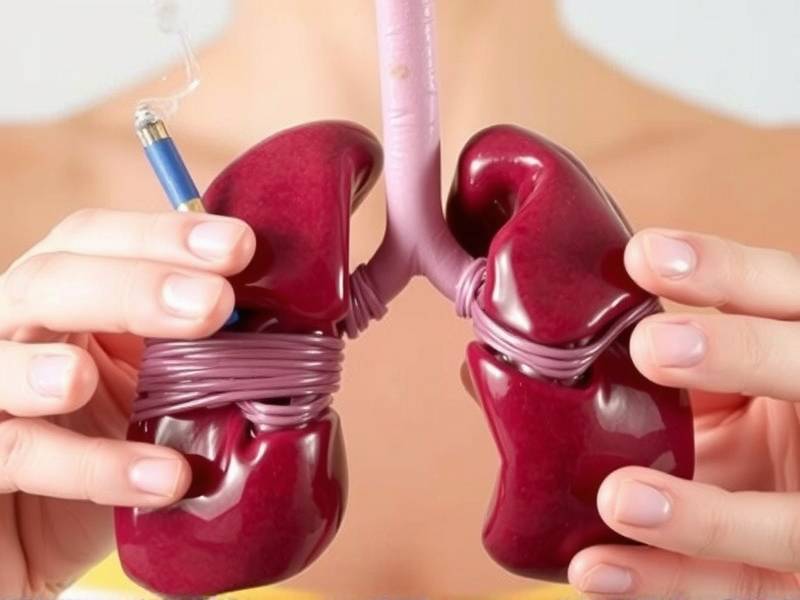
The Process of Tar Disposal: When you quit smoking, your body begins to heal and remove tar from your system. The process involves several stages:
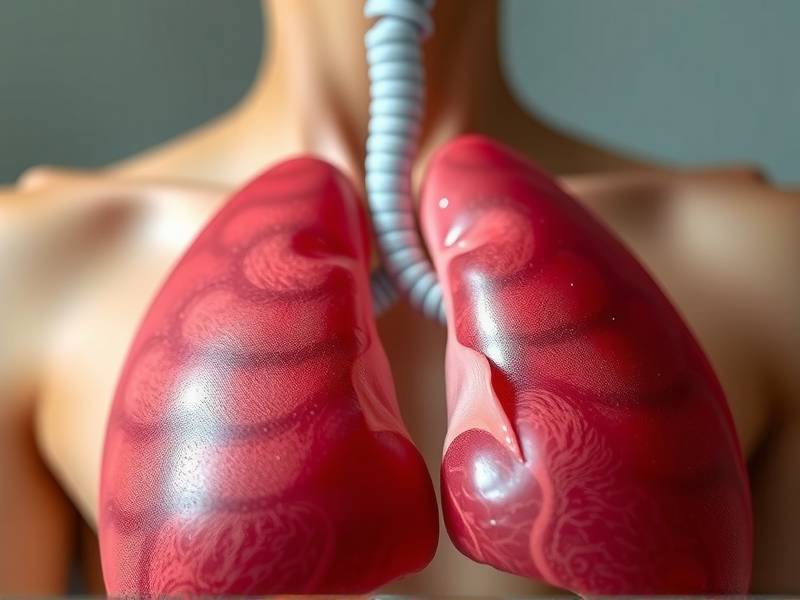
-
Early Stages: Within hours of quitting, your blood pressure starts to drop, and carbon monoxide levels decrease. However, tar remains in the lungs for a longer period.
-
Immediate Post-Quitting: In the first few days after quitting, your body starts to clear out mucus that contains some of the tar that was deposited in your airways.
-
Weeks Post-Quitting: After several weeks without smoking, you may notice an improvement in lung function as your body continues to clear out mucus and other debris.
-
Months Post-Quitting: Over several months post-quitting, there is a gradual reduction in symptoms such as coughing or shortness of breath.
How Long Does Tar Stay? The exact duration for which tar remains in your lungs varies from person to person. Some studies suggest that it can take anywhere from 3 months to 1 year for most of the tar to be cleared from heavy smokers' lungs after they quit. However, it's important to note that some trace amounts may remain for longer periods.
The Role of Nutrition and Exercise: A healthy diet rich in antioxidants and regular exercise can help speed up the process of clearing tar from your lungs. Antioxidants help protect cells from damage caused by free radicals while exercise improves overall lung function.
Conclusion: Understanding how long tar stays in your lungs after quitting smoking can be a powerful motivator for those looking to improve their health. While complete removal might take time, each day without smoking brings you closer to healthier lungs and a better quality of life. Remember that quitting is not just about reducing harm; it's about giving yourself a chance at a healthier future.