
Why Does Your Chest Feel Tight When You Quit Smoking?
Introduction: The Uncomfortable Reality of Quitting Smoking
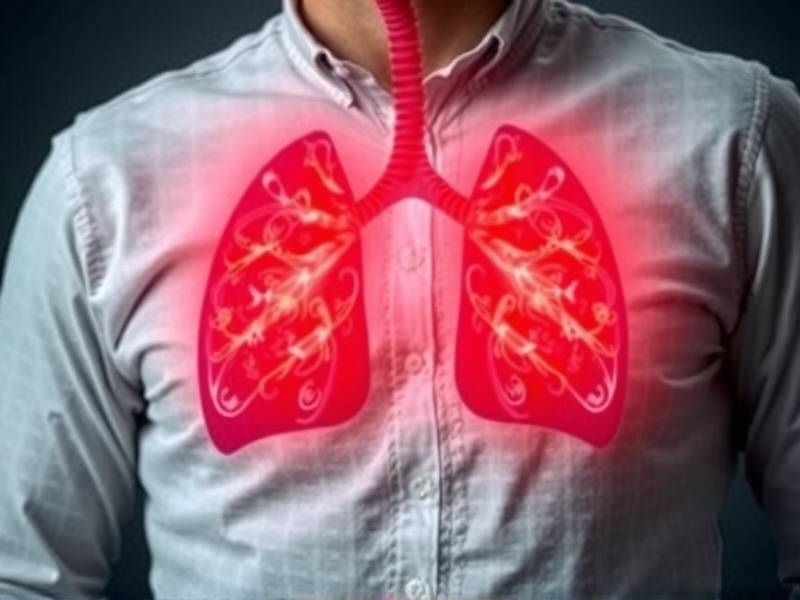
Quitting smoking is a significant step towards a healthier lifestyle. However, it's not always smooth sailing. Many individuals experience discomfort, one of which is a tight chest. Understanding why this happens can be the first step towards managing and overcoming this sensation.
Understanding the Science Behind the Tightness
Nicotine Withdrawal
When you quit smoking, your body goes through nicotine withdrawal. Nicotine is a stimulant that affects the central nervous system, and its sudden absence can lead to various physical symptoms, including chest tightness.
The Role of Bronchial Constriction
Smoking causes inflammation in the airways, leading to bronchial constriction. When you stop smoking, this inflammation starts to subside, but it may take some time for your airways to fully heal and relax.

The Impact of Carbon Monoxide
Smoking introduces carbon monoxide into your bloodstream, which binds to hemoglobin more effectively than oxygen. This reduces the amount of oxygen that reaches your tissues and can cause chest tightness when you're not smoking.
Managing Chest Tightness
Breathing Exercises
Practicing deep breathing exercises can help relax your chest muscles and improve lung capacity. Techniques like diaphragmatic breathing or pursed-lip breathing can be particularly beneficial.
Staying Hydrated
Drinking plenty of water helps maintain lung hydration and can aid in clearing out mucus that might contribute to chest tightness.
Avoiding Triggers
Certain environmental triggers such as dust or pollen can exacerbate chest tightness. Identifying and avoiding these triggers is crucial for managing discomfort.
Gradual Cessation Methods
Some individuals find that gradually reducing their smoking frequency helps ease withdrawal symptoms and reduce chest tightness compared to cold turkey quitting.
Long-Term Benefits of Quitting Smoking
While dealing with temporary discomfort like chest tightness is challenging, the long-term benefits of quitting smoking far outweigh these short-term challenges. Reduced risk of heart disease, stroke, cancer, and other respiratory conditions are just a few examples.
Conclusion: Embracing Change for a Healthier Future
Chest tightness when quitting smoking is a common yet manageable symptom. By understanding its causes and adopting strategies to alleviate it, you can take significant steps towards a smoke-free life. Remember, every effort counts—embrace change for a healthier future!