
How to Clean Your Mouth Effectively After Quitting Smoking: Tips and Tricks
"Revitalize Your Smile: Effective Oral Hygiene Tips for Smokers in Recovery"
Introduction: Quitting smoking is a monumental step towards a healthier life. However, the journey doesn't end there. One of the most overlooked aspects of recovery is the impact smoking has on oral health. This article delves into how to clean your mouth effectively after quitting smoking, offering practical tips and tricks to help you maintain a healthy smile.
Understanding the Impact of Smoking on Oral Health
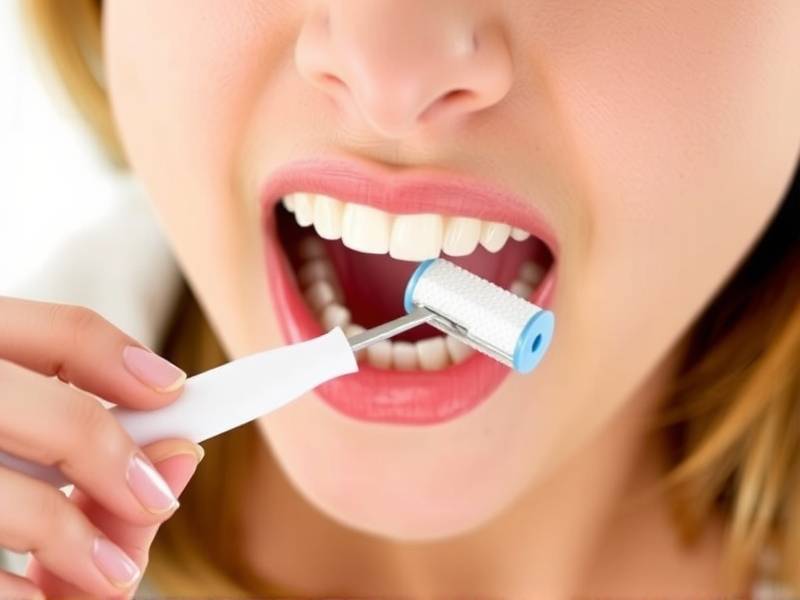
Smoking not only stains your teeth but also increases the risk of gum disease, tooth decay, and oral cancer. The chemicals in tobacco can lead to a buildup of plaque and tartar, which can cause severe dental issues over time.
1. Start with Regular Brushing
The cornerstone of good oral hygiene is regular brushing. After quitting smoking, it's crucial to establish a new routine that emphasizes thorough cleaning:
- Use fluoride toothpaste: It helps strengthen tooth enamel and protect against decay.
- Brush at least twice a day: Morning and night are ideal times to brush your teeth.
- Brush for two minutes each time: Use an egg timer or play a song to keep track.
2. Flossing: The Secret Weapon
Flossing is often overlooked but plays a vital role in removing food particles and plaque from between your teeth where brushing can't reach:
- Use unwaxed floss: It's easier to maneuver between tight spaces.
- Gently thread the floss between each tooth: Curve it into a C-shape against the tooth surface.
- Slide it up and down several times: Be gentle to avoid damaging your gums.
3. Mouthwash: A Cleansing Breeze
A mouthwash can provide an extra layer of protection against bacteria:
- Choose an antibacterial mouthwash: It helps reduce plaque formation and prevent gum disease.
- Rinse thoroughly after brushing: Swish it around for about 30 seconds.
4. Quitting Smoking: A Commitment to Oral Health
Remember that quitting smoking is more than just avoiding physical withdrawal symptoms; it's about adopting new habits that promote overall health:
- Stay motivated: Keep reminders around you about why you quit.
- Seek support: Join support groups or consult with a healthcare professional if needed.
5. Professional Dental Care: A Must
Regular visits to the dentist are essential after quitting smoking:
- Schedule regular check-ups: Every six months is recommended.
- Discuss treatment options for existing dental issues.
Conclusion: Cleaning your mouth effectively after quitting smoking requires commitment and discipline. By following these tips and tricks, you can take significant steps towards improving your oral health and maintaining a bright, confident smile. Remember, every small change adds up in the long run, leading to a healthier life post-smoking cessation.