
What Can I Do to Quit Smoking? Effective Tips and Strategies
Introduction
The journey to quit smoking can be challenging, but with the right strategies and support, it's absolutely achievable. Whether you're a long-time smoker or just started, there are numerous effective methods to help you kick the habit. In this article, we will explore various tips and strategies that can make your quitting journey smoother and more successful.
Understanding the Importance of Quitting
Before diving into the practical tips, it's crucial to understand why quitting smoking is essential. Smoking not only increases your risk of developing serious health issues like heart disease, stroke, and cancer but also affects your overall well-being. By quitting smoking, you'll improve your health, save money, and boost your self-esteem.
Setting Realistic Goals
One of the first steps in quitting smoking is setting realistic goals. Instead of aiming for a complete cessation right away, start with smaller goals such as reducing the number of cigarettes per day or cutting down on smoking during specific times of the day.

Break It Down
Breaking down your goal into smaller milestones can make the process less overwhelming. For instance:
- Week 1: Identify triggers that make you want to smoke and find alternative activities to cope with them.
- Week 2: Reduce your cigarette intake by one cigarette per day.
- Month 1: Cut down by half your usual daily intake.
- Month 3: Aim for one smoke-free week.
Finding Your Motivation
Motivation is key to quitting smoking. Find out what drives you to quit and keep that motivation strong throughout your journey. Here are a few ways to discover your motivation:
Reflect on Your Health
Consider how smoking has affected your health so far. Are there any symptoms or conditions that could worsen if you continue? Reflecting on these aspects can provide a powerful incentive to quit.
Set Personal Goals
Your personal goals could be anything from improving fitness levels or saving money for a special occasion. Aligning these goals with quitting can give you added motivation.
Utilizing Nicotine Replacement Therapy (NRT)
Nicotine replacement therapy is a popular method used by many smokers who want to quit. NRT provides a controlled dose of nicotine without the harmful tar found in cigarettes. Here are some common forms of NRT:
Gum and Lozenges
Gum and lozenges deliver nicotine through the mouth, which can help alleviate withdrawal symptoms like cravings and irritability.
patches
Patches provide a steady stream of nicotine through the skin, making them an excellent option for those who want consistent relief throughout the day.
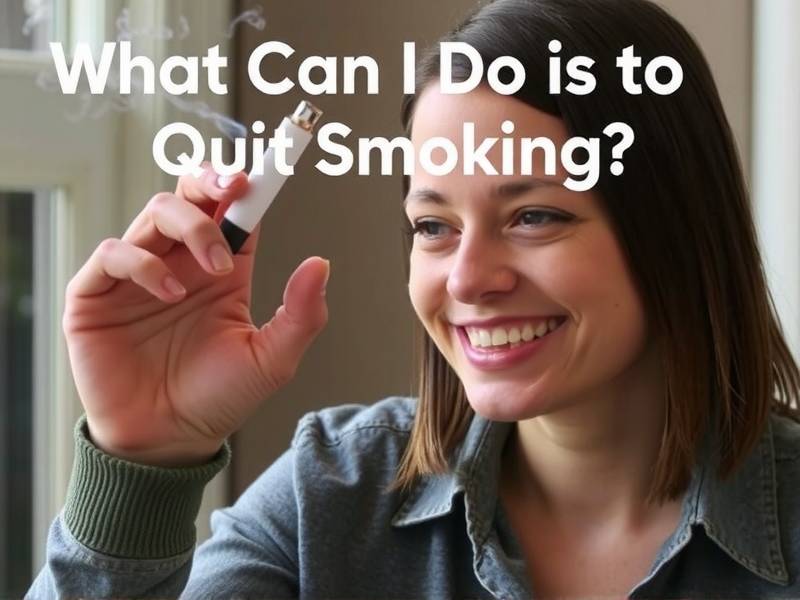
Inhalers and Nasal Sprays
These devices deliver nicotine directly into the lungs, mimicking the act of smoking while reducing withdrawal symptoms.
Alternative Therapies
In addition to NRT, several alternative therapies can help ease withdrawal symptoms and make quitting easier:
Hypnotherapy
Hypnotherapy uses hypnosis to induce a state of relaxation while helping smokers visualize their smoke-free life.
Acupuncture
Acupuncture involves inserting fine needles into specific points on your body to alleviate withdrawal symptoms and reduce cravings.
Seek Support from Friends and Family
Quitting smoking is much more manageable when you have support from loved ones. Share your journey with friends and family members who will encourage you along the way.
Join Support Groups
Support groups provide an opportunity for smokers in similar situations to share experiences, advice, and encouragement. Consider joining an online support group or attending local meetings.
Celebrate Your Successes Along the Way
Recognize how far you've come in your quitting journey by celebrating small victories along the way. Whether it's reaching a milestone or simply making it through a challenging day without smoking, take time to acknowledge these achievements.
In conclusion, quitting smoking is possible with determination and effective strategies tailored to your needs. By setting realistic goals, finding motivation, exploring various treatments like NRT or alternative therapies, seeking support from friends and family members or support groups alike – You are well on Your way towards becoming smoke-free!