
Are You Out of Breath When You Quit Smoking? Discover the Truth About Your Lung Health
Are You Out of Breath When You Quit Smoking? Discover the Truth About Your Lung Health
Introduction: Quitting smoking is a significant step towards improving your overall health, but it can also bring unexpected challenges. One common issue many smokers face is shortness of breath after quitting. In this article, we will explore the reasons behind this phenomenon and shed light on the truth about lung health.
I. The Immediate Effects of Quitting Smoking
-
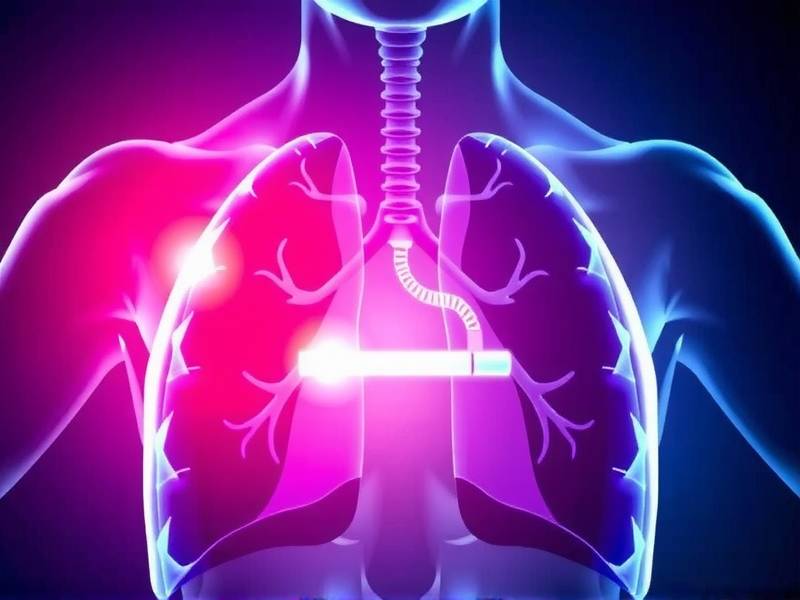
Reduced Carbon Monoxide Levels When you quit smoking, your body starts to eliminate carbon monoxide, a harmful gas that replaces oxygen in your blood. As a result, your lungs may feel more sensitive and less efficient in oxygen exchange.
-
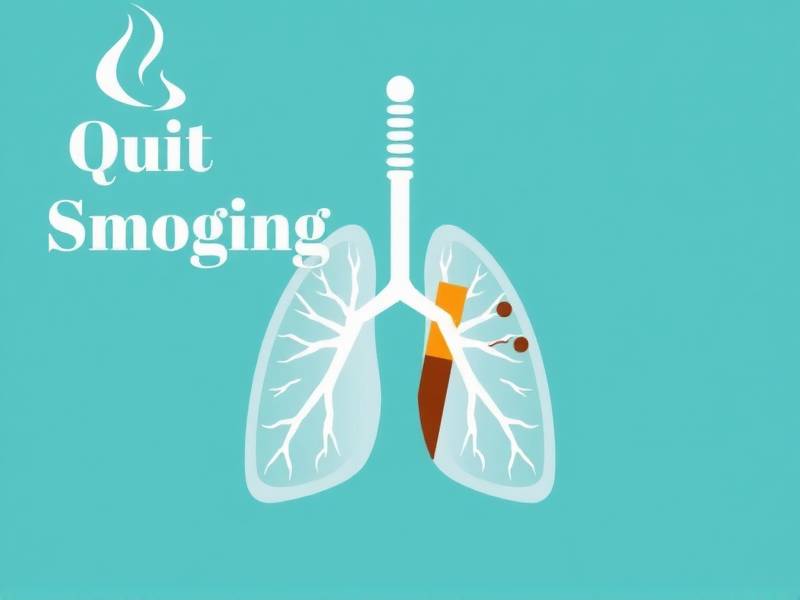
Cilia Restoration Cilia are tiny hair-like structures in your lungs that help remove mucus and debris. Smoking damages these cilia, but they gradually start to repair themselves once you quit. This process can lead to increased mucus production and occasional coughing.
II. The Role of Lung Health in Shortness of Breath
-
Increased Oxygen Demand Your body requires more oxygen when you quit smoking due to the restoration of lung function and improved circulation. This increased demand can make you feel out of breath during physical activities.
-
Bronchitis and Asthma Triggers If you have pre-existing respiratory conditions like bronchitis or asthma, quitting smoking can exacerbate these symptoms temporarily as your body adjusts to the change.
III. Managing Shortness of Breath After Quitting Smoking
-
Gradual Increase in Physical Activity Start by incorporating gentle exercises like walking or cycling into your daily routine to gradually increase your lung capacity.
-
Stay Hydrated Drinking plenty of water helps thin mucus and keeps your respiratory system healthy.
-
Avoid Triggers Identify and avoid environmental triggers such as smoke, dust, or pollen that can worsen shortness of breath.
IV. Monitoring Your Lung Health
-
Regular Check-ups with a Healthcare Professional Schedule regular appointments with your doctor to monitor your lung function and ensure there are no complications.
-
Pulmonary Function Tests (PFTs) PFTs measure how well your lungs work by assessing their capacity, airflow, and gas exchange efficiency.
Conclusion: Shortness of breath after quitting smoking is a common concern for many individuals transitioning from tobacco use to a smoke-free lifestyle. By understanding the underlying causes and taking appropriate measures to manage these symptoms, you can improve your lung health and enjoy the benefits of quitting smoking for years to come.