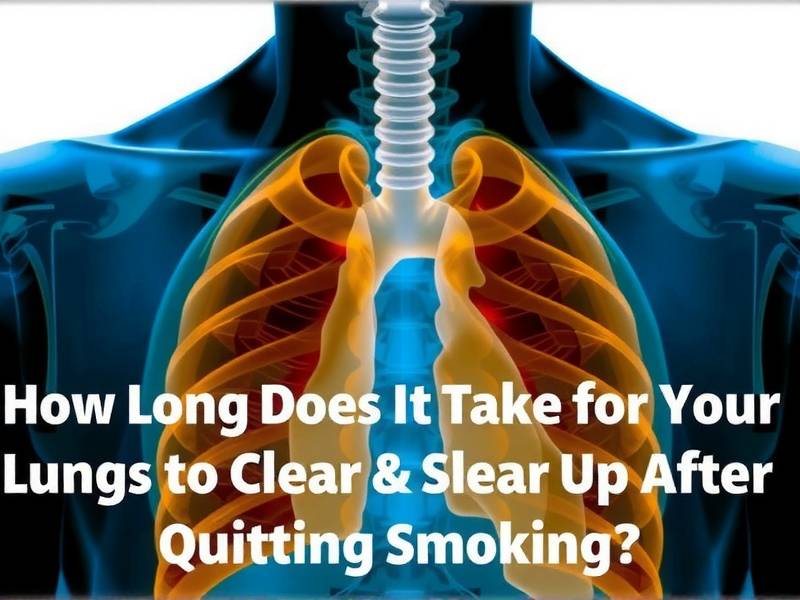
How Long Does It Take for Your Lungs to Clear Up After Quitting Smoking?
The Journey to Healthier Lungs
Quitting smoking is a significant step towards improving your health, and one of the most common questions among smokers is how long it takes for their lungs to start healing after they quit. The journey to cleaner, healthier lungs can vary from person to person, but understanding the timeline can provide a clearer picture of the recovery process.
Immediate Benefits
As soon as you quit smoking, your body begins to repair itself. Within 20 minutes of your last cigarette, your heart rate and blood pressure drop, and carbon monoxide levels in your blood begin to decrease. These are just the first signs of a long-term healing process.
Week 1: The First Steps
In the first week after quitting, you may notice some immediate benefits. Your senses may become sharper as your taste and smell improve. Additionally, your lung function starts to increase as you breathe more efficiently.
Month 1: Early Improvements
After about a month of being smoke-free, you'll likely notice continued improvements in lung function. Your cough may decrease, and you might find it easier to breathe during physical activity compared to when you were smoking.
Month 3: Clearing Out
Around three months post-quit, many ex-smokers report feeling more energetic and experiencing fewer respiratory problems. This is because the cilia in your lungs—tiny hair-like structures that help clear mucus—begin to regain their normal function.
Year 1: A Milestone of Healing
One year after quitting smoking, significant healing has occurred. Your lungs have made considerable progress in clearing out tar and other harmful substances accumulated over years of smoking. You'll likely notice further improvements in lung capacity and overall respiratory health.
Beyond Year 1: Ongoing Improvement
The healing process doesn't stop after one year. In fact, with each passing year without smoking, your lungs continue to improve. The risk of developing chronic obstructive pulmonary disease (COPD) or lung cancer decreases significantly over time.
Factors Influencing Recovery
It's important to note that the rate at which your lungs heal after quitting smoking can be influenced by several factors:
- Duration of Smoking: The longer you smoked and the more cigarettes per day you smoked, the more time it may take for your lungs to heal.
- Age: Younger individuals tend to recover faster than older smokers.
- Genetic Factors: Some people may have genetic predispositions that affect how quickly their bodies recover from smoking-related damage.
- Overall Health: Smokers with pre-existing health conditions may experience a slower recovery process.
Staying Smoke-Free for Lifelong Benefits
The most critical factor in lung recovery is staying smoke-free. Each day without a cigarette brings you closer to reversing the damage caused by tobacco use. Remember that every attempt at quitting is a step forward for your health.
By understanding how long it takes for your lungs to clear up after quitting smoking, you can set realistic expectations and stay motivated on your journey towards better health. With patience and determination, the rewards are well worth the wait.