
Can I Still Get Lung Cancer After Quitting Smoking?
Can I Still Get Lung Cancer After Quitting Smoking? A Comprehensive Guide
Understanding the Risks of Lung Cancer Post-Quitting
Have you ever wondered if it's possible to develop lung cancer even after quitting smoking? The answer is a resounding yes. While quitting smoking is a significant step towards improving your health, it's important to understand the long-term risks and how they may manifest. This article delves into the facts about lung cancer after quitting smoking, providing you with valuable insights and information.
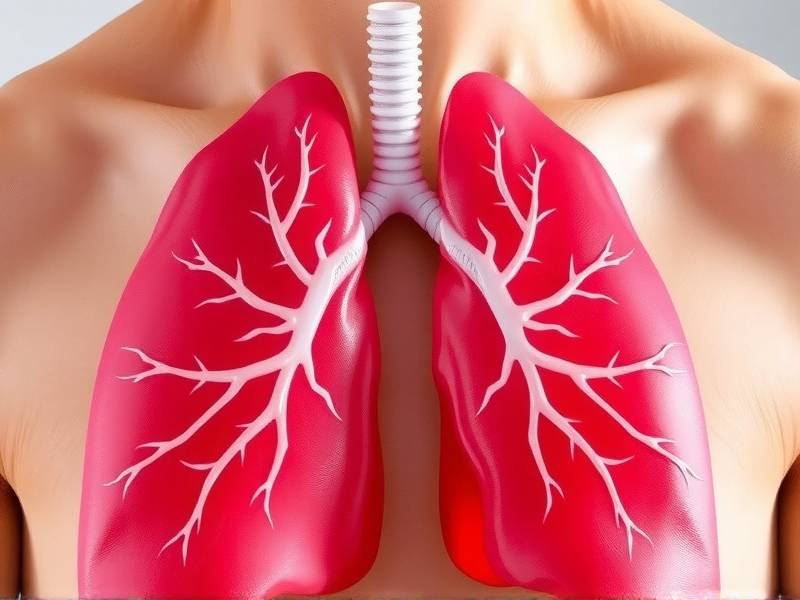
The Reality of Post-Quitting Lung Cancer Risks
It's a common misconception that once you quit smoking, your risk of developing lung cancer diminishes immediately. However, the truth is that the risk of lung cancer persists even after quitting. Here's why:
- Chemical Residue: Even though you've stopped smoking, the chemicals from years of smoking can still linger in your lungs for an extended period.
- Genetic Factors: Some individuals may have a genetic predisposition to lung cancer, which increases their risk even after quitting.
- Secondhand Smoke Exposure: If you've been exposed to secondhand smoke for an extended period, this can also contribute to your risk.
Long-Term Effects and Monitoring
The long-term effects of smoking on your lungs can take years to manifest. It's crucial to monitor your health closely after quitting:
- Regular Check-Ups: Schedule regular appointments with your healthcare provider for thorough check-ups.
- Imaging Tests: Your doctor may recommend imaging tests such as CT scans or X-rays to keep an eye on any changes in your lungs.
Lung Cancer Screening Programs
For those who have smoked heavily or for a prolonged period, lung cancer screening programs are available. These programs use low-dose CT scans to detect early stages of lung cancer when it's most treatable.
Lifestyle Changes and Support
Beyond quitting smoking, adopting a healthy lifestyle can further reduce your risk:
- Exercise Regularly: Physical activity helps improve lung function and reduce inflammation.
- Healthy Diet: A diet rich in fruits, vegetables, and whole grains can help combat oxidative stress.
- Seek Support: Joining support groups or seeking counseling can provide emotional support and motivation.
Conclusion: The Importance of Early Detection
While it's concerning to know that lung cancer risks persist even after quitting smoking, understanding these risks empowers you to take proactive steps towards early detection and prevention. Remember, regular health screenings and adopting a healthy lifestyle are key components in maintaining your overall well-being.
By staying informed and vigilant about your health post-quitting, you can significantly reduce your risk of developing lung cancer later in life. Remember, it's never too late to start taking care of yourself!