
Can COPD Be Reversed by Quitting Smoking?
Can COPD Be Reversed by Quitting Smoking?

Introduction: Chronic Obstructive Pulmonary Disease (COPD) is a progressive lung disease that affects millions of people worldwide. It is characterized by long-term breathing problems, such as shortness of breath and cough. While there is no cure for COPD, quitting smoking is widely regarded as one of the most effective ways to slow down its progression. But can quitting smoking actually reverse the damage caused by COPD? Let's explore this topic further.
Understanding COPD and Its Causes COPD is primarily caused by long-term exposure to irritants that damage the airways and alveoli in the lungs. Smoking is the leading cause of COPD, accounting for about 85% of cases. Other risk factors include exposure to air pollution, dust, and chemical fumes.
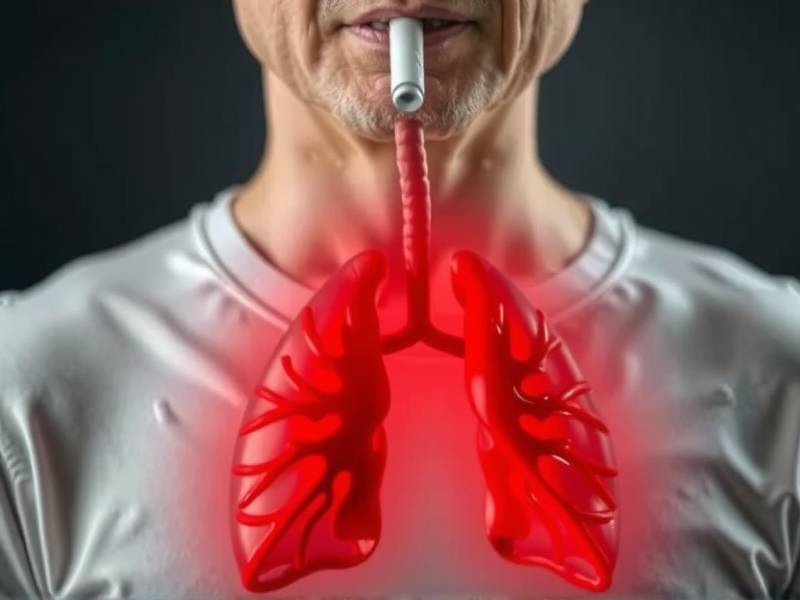
The Impact of Smoking on COPD Smoking exacerbates the symptoms of COPD and accelerates its progression. It causes inflammation in the airways, leading to increased mucus production and narrowing of the air passages. This makes it harder for patients to breathe and worsens their overall quality of life.
Can Quitting Smoking Reverse COPD? While quitting smoking cannot reverse all the damage caused by COPD, it can significantly slow down its progression and improve lung function. Studies have shown that individuals who quit smoking are less likely to experience severe exacerbations and have a better prognosis.
The Benefits of Quitting Smoking for COPD Patients
- Improved Lung Function: Quitting smoking can lead to increased airflow in the lungs, reducing symptoms such as shortness of breath.
- Reduced Risk of Exacerbations: Smokers with COPD are more susceptible to respiratory infections that can trigger exacerbations. Quitting smoking can lower this risk.
- Better Quality of Life: Improvements in lung function can lead to better overall health, reduced reliance on medication, and improved physical activity levels.
- Extended Lifespan: Quitting smoking can increase life expectancy for individuals with COPD.
Tips for Successful Smoking Cessation
- Set a quit date: Choose a specific date when you will stop smoking.
- Seek support: Join a support group or talk to friends and family about your decision.
- Use nicotine replacement therapy (NRT): NRT products like patches, gum, or lozenges can help alleviate withdrawal symptoms.
- Consider prescription medications: Your healthcare provider may prescribe medications like varenicline or bupropion to aid in quitting.
- Stay motivated: Remind yourself why you want to quit and celebrate your progress along the way.
Conclusion: While quitting smoking cannot reverse all the damage caused by COPD, it remains one of the most effective ways to slow down its progression and improve lung function. If you're a smoker with COPD or at risk for developing it, consider taking steps towards quitting today for a healthier future.
Note: This article is not intended as medical advice but rather as an informative piece on the benefits of quitting smoking for individuals with or at risk for developing COPD. Always consult your healthcare provider before making any significant lifestyle changes related to your health condition.