
When Does Blood Circulation Return to Normal After Quitting Smoking?
Understanding the Recovery of Blood Circulation After Smoking Cessation
Introduction: Quitting smoking is a significant step towards improving overall health. While many people are aware of the immediate benefits of quitting, such as reduced risk of heart disease and cancer, it's also crucial to understand the recovery process of blood circulation. This article delves into when blood circulation returns to normal after quitting smoking and its implications on one's health.
The Impact of Smoking on Blood Circulation
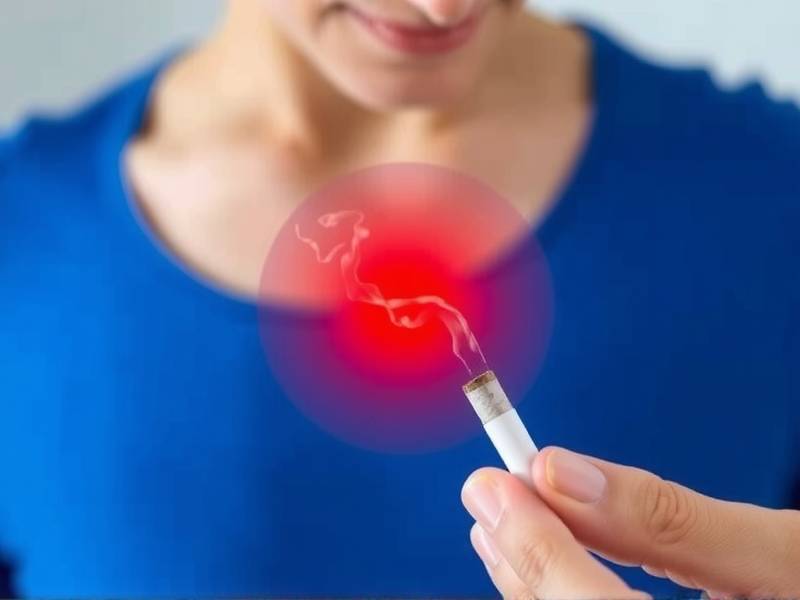
Smoking has a detrimental effect on blood circulation. The chemicals present in cigarettes cause damage to the lining of arteries, leading to a condition called endothelial dysfunction. This dysfunction hinders the blood vessels' ability to dilate and constrict, which is essential for maintaining healthy blood flow.
Timeline for Blood Circulation Recovery
The recovery process of blood circulation after quitting smoking varies from person to person. However, several studies suggest that significant improvements can be observed within weeks and months after cessation.
-
First 48 Hours: Within the first 48 hours after quitting smoking, carbon monoxide levels in the bloodstream begin to drop. This allows oxygen-rich blood to flow more efficiently throughout the body.
-
One Week: After approximately one week of not smoking, heart rate and blood pressure start to decrease as the body begins to heal from nicotine-induced damage.
-
Three Months: Within three months post-cessation, there is a noticeable improvement in lung function, which contributes to better overall oxygenation of tissues and organs.

-
One Year: One year after quitting smoking, the risk of heart disease starts to decline significantly compared to that of a smoker. Additionally, blood circulation continues to improve as damaged arteries start repairing themselves.
-
Five Years: Five years post-cessation, the risk of stroke decreases by approximately 50%, similar to that of someone who has never smoked.
-
Ten Years or More: After ten years or more without smoking, the risk of developing lung cancer decreases by half compared to that of a continuing smoker.
Conclusion
The recovery process for blood circulation after quitting smoking is gradual but rewarding. By understanding this timeline and its implications on health, individuals can stay motivated and committed to their smoke-free journey. Embracing healthier lifestyle choices further enhances this recovery process and contributes to overall well-being.
Remember that quitting smoking is not only about improving your own health but also about setting a positive example for those around you. So why not take that first step today?