
How Much Does Lung Function Improve After Quitting Smoking?
The Remarkable Transformation of Lung Function Post-Quitting Smoking
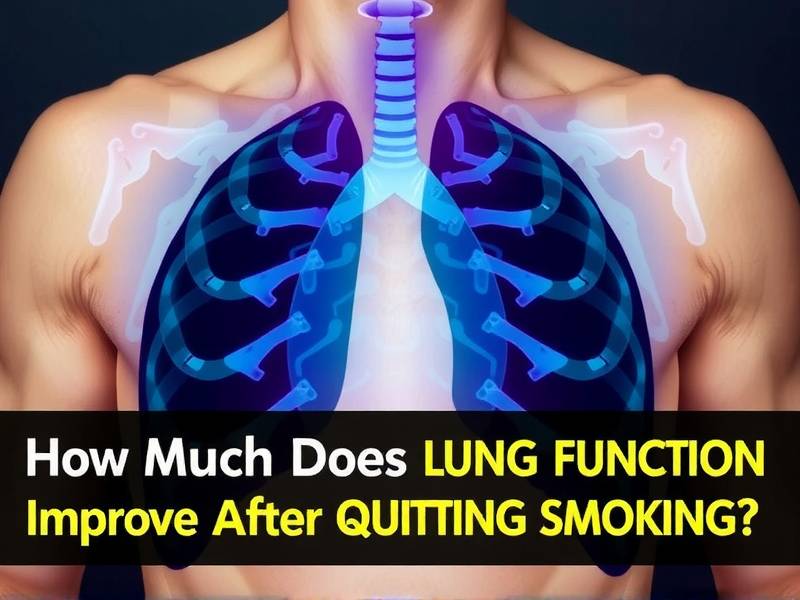
Introduction: The decision to quit smoking is a monumental step towards better health. Many smokers are curious about the tangible benefits that their bodies can experience after kicking the habit. One of the most significant improvements is in lung function. Let's delve into how much lung function can improve after quitting smoking and what this means for your overall well-being.
Understanding Lung Function
Lung function refers to the ability of your lungs to take in oxygen and expel carbon dioxide. This process is essential for maintaining energy levels, improving cardiovascular health, and enhancing overall quality of life.
Immediate Benefits Upon Quitting
When you quit smoking, your body begins to repair itself almost immediately. Here are some immediate benefits you might experience:
- Improved Oxygen Levels: Within hours of quitting, your blood oxygen levels start to rise as the carbon monoxide in your blood decreases.
- Circulation Enhancement: Blood circulation improves as the lining of your blood vessels starts to heal from the damage caused by smoking.
Medium-Term Improvements
In the first few weeks and months after quitting, you'll notice more substantial changes:
- Increased Lung Capacity: Your lung capacity can increase by up to 10% within six months of quitting.
- Better Breathing: You may find it easier to breathe and notice a decrease in shortness of breath or chronic coughing.
- Reduced Risk of Respiratory Infections: Your risk for respiratory infections like bronchitis or pneumonia decreases as your lungs clear out mucus and debris.
Long-Term Benefits
Over time, quitting smoking leads to long-term improvements in lung function:
- Decreased Risk of Chronic Obstructive Pulmonary Disease (COPD): COPD is a progressive lung disease that can be significantly delayed or prevented by quitting smoking.
- Improved Exercise Capacity: As your lung function improves, you'll likely notice an increase in endurance and energy levels during physical activities.
- Potential Reversal of Lung Damage: With continued abstinence from smoking, some damage to the lungs can be reversed.
Real-Life Stories
Numerous studies have documented these improvements. For instance, a study published in The Lancet Respiratory Medicine found that former smokers had significantly better lung function compared to current smokers even after adjusting for age, sex, height, education level, and ethnicity.
Conclusion: The Journey Ahead
The journey towards improved lung function post-quitting smoking is a testament to the body's remarkable ability to heal itself. While it may seem daunting at first, understanding these potential improvements can serve as a powerful motivator for those contemplating戒烟.
Remember, every puff counts – not just for immediate health risks but also for long-term benefits. If you're ready to take that step towards better health, consider seeking support from healthcare professionals or joining support groups dedicated to smoking cessation.
By making the choice to quit smoking today, you're not only improving your own life but also paving the way for a healthier future.