
Can Lung Elasticity Improve After Quitting Smoking?
Understanding Lung Elasticity
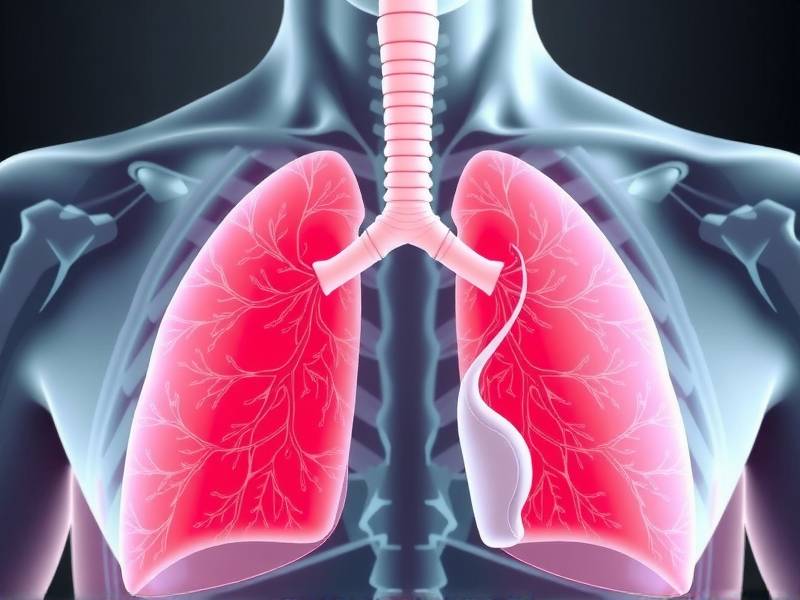
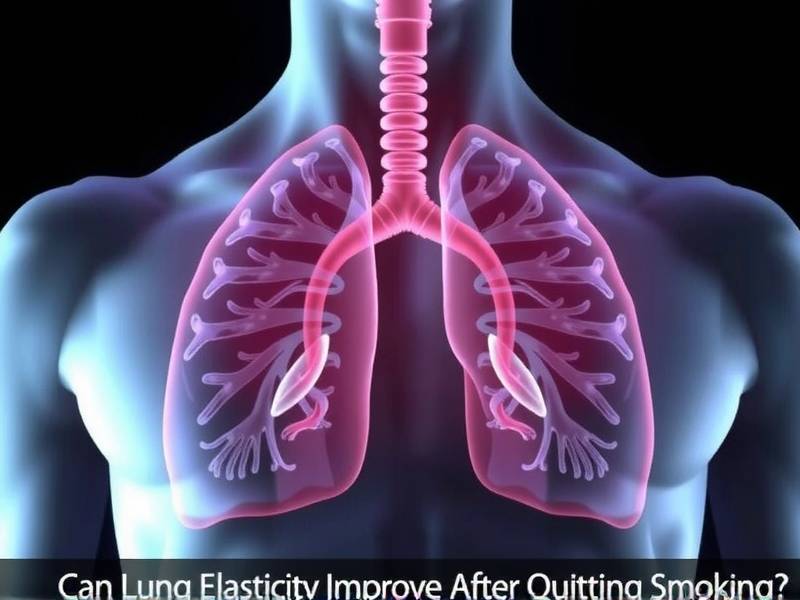
Lung elasticity refers to the ability of the lungs to expand and contract, allowing for the exchange of oxygen and carbon dioxide in the body. When you smoke, the lungs are exposed to harmful chemicals that can damage this elasticity. But what happens when you quit smoking? Can lung elasticity improve?
The Impact of Smoking on Lung Elasticity
Smoking is a leading cause of chronic obstructive pulmonary disease (COPD), a condition characterized by difficulty breathing due to damaged lung tissue. The toxic substances in cigarettes, such as tar and nicotine, can cause inflammation and scarring in the lungs, reducing their elasticity.
Improvements in Lung Elasticity After Quitting Smoking
Research suggests that quitting smoking can lead to improvements in lung elasticity. A study published in the journal Thorax found that former smokers had better lung function than current smokers, even after adjusting for age and other factors.
Immediate Benefits
Within just a few days of quitting smoking, your body begins to repair some of the damage caused by tobacco use. Your heart rate and blood pressure start to normalize, and your sense of smell and taste improve. Over time, these changes can contribute to improved lung function.
Long-Term Benefits
Quitting smoking can also lead to long-term improvements in lung elasticity. A study published in the New England Journal of Medicine found that former smokers who quit for at least 15 years had significantly better lung function than those who continued smoking.
Factors Affecting Improvement
Several factors can influence how quickly your lung elasticity improves after quitting smoking:
- Duration of Smoking: The longer you smoked, the more damage may have occurred to your lungs.
- Amount Smoked: The more cigarettes you smoked daily, the greater potential for damage.
- Age at Quitting: Younger individuals tend to see faster improvements than older individuals.
Tips for Improving Lung Elasticity
If you're looking to improve your lung elasticity after quitting smoking, consider these tips:
- Stay Active: Regular exercise can help improve your overall lung function.
- Avoid Secondhand Smoke: Exposure to secondhand smoke can worsen lung damage.
- Maintain a Healthy Diet: A balanced diet rich in fruits, vegetables, and whole grains can support lung health.
- Seek Professional Help: If you're struggling with quitting smoking or managing COPD symptoms, consider seeking help from a healthcare professional.
Conclusion
Quitting smoking is a powerful step towards improving your lung elasticity and overall health. While it may take time for your lungs to heal completely, research shows that improvements are possible with dedication and patience. Take control of your health today by saying no to cigarettes!