
Does a Smoker's Cough Go Away After Quitting Smoking?
The Disappearance of the Smoker's Cough: A Journey to Better Health After Quitting Smoking
Introduction: The persistent cough that often accompanies smoking is a familiar companion to many smokers. It's a symptom that can be both irritating and a stark reminder of the toll that tobacco takes on the respiratory system. But what happens when you quit smoking? Does this cough simply vanish, or is it just the beginning of a new chapter in your health journey? Let's delve into the science behind the smoker's cough and explore what happens when you kick the habit.
Understanding the Smoker's Cough The cough that plagues smokers is more than just an annoyance; it's a sign of inflammation and irritation in the airways. Cigarette smoke contains over 7,000 chemicals, many of which are irritants that can cause chronic bronchitis, a condition characterized by persistent coughing, sputum production, and shortness of breath.
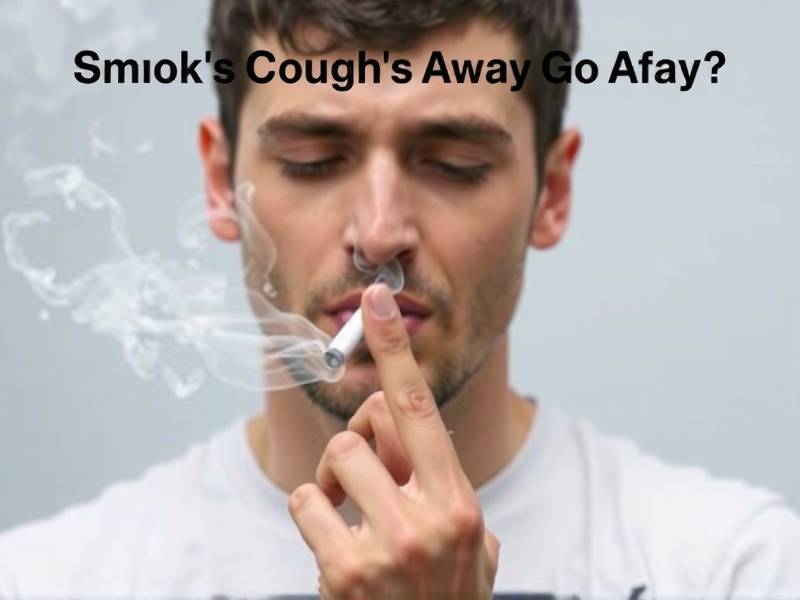
The Immediate Impact of Quitting Smoking When you quit smoking, your body begins to repair itself almost immediately. The first few days post-quit are often challenging as your body adjusts to being smoke-free. During this time, you might notice an increase in coughing as your lungs start to clear out the accumulated mucus and tar from years of smoking.
Does the Smoker's Cough Go Away? Yes, it is entirely possible for a smoker's cough to go away after quitting smoking. The process can vary from person to person, but generally, here’s what happens:

- Initial Increase: In the first few weeks after quitting, you may experience an increase in coughing as your body clears out debris.
- Gradual Improvement: Over time, as your lungs heal and inflammation decreases, you'll likely notice that your cough becomes less frequent and intense.
- Full Recovery: With continued abstinence from smoking, many individuals find that their cough completely resolves within several months to a year.
Supporting Your Recovery To speed up recovery and ensure that your smoker's cough goes away as quickly as possible:
- Stay hydrated to help loosen mucus.
- Use steam inhalation or humidifiers to keep airways moist.
- Engage in activities like walking or light exercise to help clear your lungs.
- Consult with healthcare professionals for personalized advice and support.
Long-Term Health Benefits Beyond the disappearance of the smoker's cough, quitting smoking has numerous long-term health benefits:
- Reduced risk of chronic bronchitis and emphysema.
- Improved lung function over time.
- Decreased risk of heart disease and stroke.
- Enhanced sense of taste and smell.
Conclusion: Quitting smoking is a significant step towards better health. While it might take some time for the smoker's cough to go away completely, it’s a sign that your body is healing. Embrace this journey with patience and support from healthcare professionals. Remember, every puff counts – not just for today but for your future health.