
How Long Until Your Lungs Are Clear After Quitting Smoking?
Unveiling the Timeline: How Long Until Your Lungs Are Clear After Quitting Smoking?
Introduction: The decision to quit smoking is a monumental step towards a healthier life. Many smokers are curious about how quickly their lungs can recover after giving up the habit. In this article, we delve into the timeline of lung recovery post-cessation, providing you with valuable insights into the journey ahead.
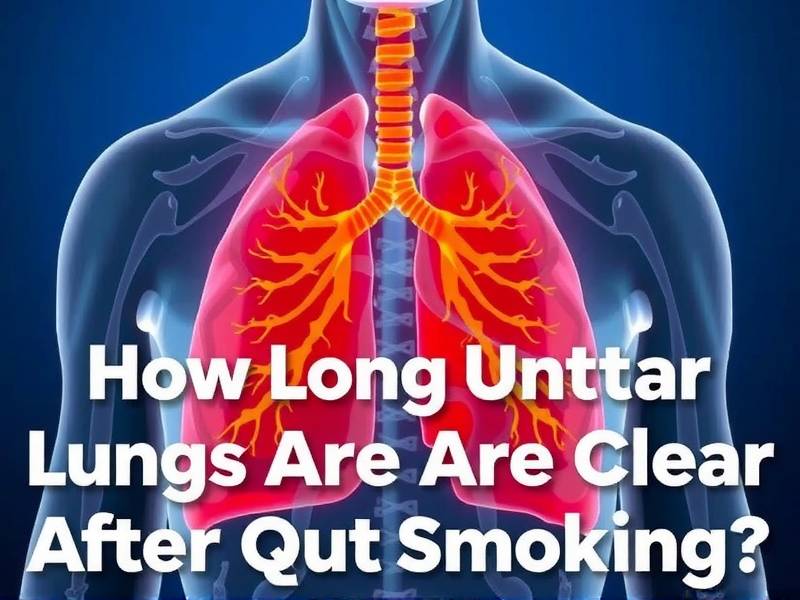
Section 1: Understanding Lung Recovery What happens to your lungs when you quit smoking? The process of lung recovery is gradual and varies from person to person. It's important to note that while complete reversal of damage is not always possible, quitting smoking can significantly improve lung function and overall health.
Section 2: The Timeline of Lung Recovery
2.1 Immediate Benefits: Within minutes of quitting, your body begins to experience immediate benefits. Carbon monoxide levels in your blood start to decrease, allowing oxygen to flow more freely throughout your body.
2.2 Short-Term Recovery (First Few Weeks): Within the first few weeks after quitting, you may notice an improvement in coughing and shortness of breath. Cilia (tiny hair-like structures in your lungs) start to regain their function, clearing mucus and debris from the airways.
2.3 Medium-Term Recovery (First Few Months): Over the next few months, lung function continues to improve as damaged cells are repaired and new ones are generated. You may experience a reduction in chest tightness and increased energy levels.
2.4 Long-Term Recovery (Years After Quitting): Years after quitting smoking, your lungs continue to recover. The risk of developing chronic obstructive pulmonary disease (COPD) decreases significantly compared to smokers. This long-term recovery process can last for years or even decades.
Section 3: Factors Influencing Lung Recovery
3.1 Timeframe: The timeline for lung recovery can vary depending on several factors, including age, overall health, duration of smoking, and amount smoked per day.
3.2 Genetic Factors: Genetic predisposition plays a role in how quickly individuals recover from smoking-related damage.
3.3 Environmental Factors: Exposure to secondhand smoke or other pollutants can hinder lung recovery efforts.
Conclusion:
Quitting smoking is a significant step towards better health, with potential improvements in lung function over time. While it may take years for complete recovery, every day without smoking brings you closer to healthier lungs and a better quality of life. Stay committed and remember that it's never too late to start this journey towards better health!