
Does Quitting Smoking Really Improve Lung Function?
Introduction
The debate over smoking and its impact on health has been ongoing for decades. One of the most common concerns among smokers is whether quitting smoking can truly improve lung function. In this article, we delve into the latest research and insights to answer this crucial question.
The Science Behind Lung Function
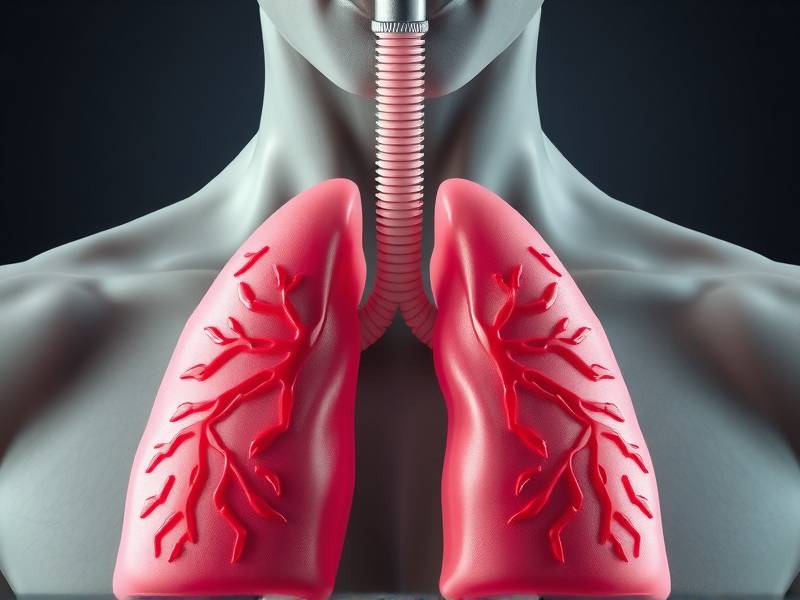
To understand how quitting smoking can improve lung function, it's essential to first grasp how smoking affects the lungs. Smoking introduces harmful chemicals into the body, leading to inflammation, damage to lung tissue, and a reduced ability to oxygenate blood.
Immediate Benefits of Quitting Smoking
One of the most significant benefits of quitting smoking is the immediate improvement in lung function. According to a study published in the Journal of Thoracic Imaging, just 48 hours after quitting, carbon monoxide levels in the blood decrease significantly. This reduction in carbon monoxide allows more oxygen to reach vital organs and tissues.
Long-Term Improvements in Lung Function
While immediate improvements are evident, the long-term benefits of quitting smoking on lung function are even more remarkable. A study by researchers at Harvard Medical School found that individuals who quit smoking at an early age can experience a reversal of some lung damage within 10-15 years.
Case Studies: Real-Life Success Stories
Several case studies have highlighted the positive impact of quitting smoking on lung function. For instance, a patient who had smoked for 30 years reported significant improvements in breathing capacity and overall quality of life after just one year of being smoke-free.
The Role of Nicotine Replacement Therapy (NRT)
For many smokers, nicotine addiction is a major obstacle to quitting. Nicotine replacement therapy (NRT) has proven effective in helping individuals overcome this addiction while improving their lung function. A study published in the Cochrane Database of Systematic Reviews showed that NRT users experienced a reduction in respiratory symptoms and improved lung function.
Conclusion
In conclusion, quitting smoking does indeed improve lung function both immediately and over time. While it may be challenging to quit smoking, the long-term benefits are well worth the effort. If you're considering quitting or know someone who is struggling with this decision, encourage them to seek support from healthcare professionals or join a support group dedicated to helping smokers quit.
Remember that every puff counts – make today your day to take control of your health and improve your lung function for a better tomorrow!