
How to Clear Phlegm After Quitting Smoking: Effective Tips for a Healthier Lungs
Introduction
Quitting smoking is a significant step towards improving one's health. However, it often comes with challenges, such as the accumulation of phlegm in the lungs. This article aims to provide you with effective tips on how to clear phlegm after quitting smoking, helping you to breathe easier and enjoy a healthier lifestyle.
Understanding the Post-Quitting Smoking Phlegm Problem
The Science Behind It
When you quit smoking, your body begins to heal from the years of damage caused by tobacco smoke. One common side effect is an increase in mucus production, which can lead to phlegm buildup. This is a natural response as your respiratory system starts to regenerate.
Symptoms to Watch Out For
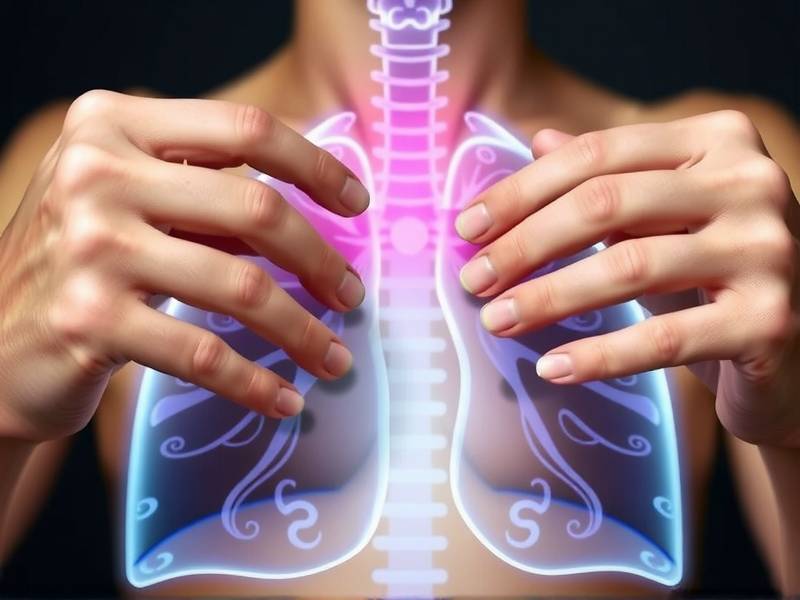
Be aware of symptoms like persistent coughing, difficulty breathing, or a feeling of tightness in the chest. These can indicate that your body is working hard to expel the accumulated phlegm.
Effective Tips for Clearing Phlegm
1. Stay Hydrated
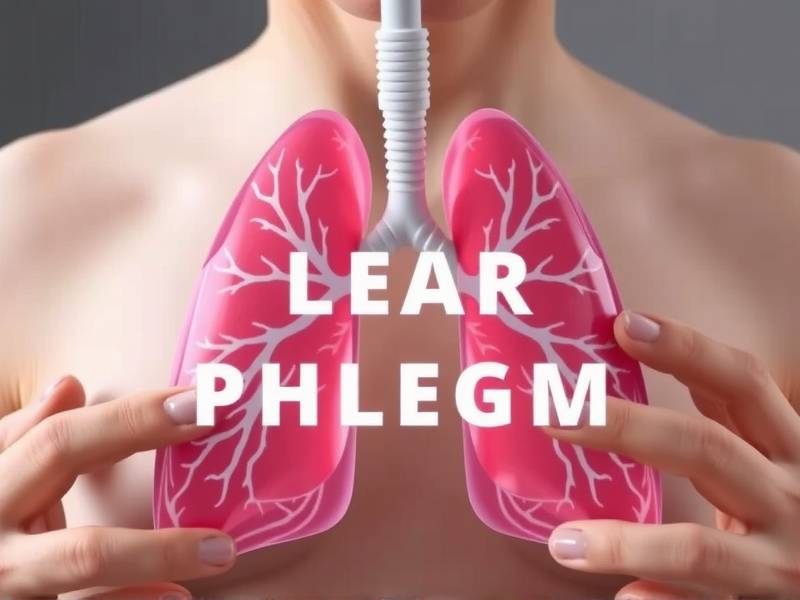
Drinking plenty of water helps thin out mucus and makes it easier for your body to expel it. Aim for at least eight glasses a day.
2. Gargle with Salt Water
Gargling with warm salt water can help soothe your throat and reduce inflammation, making it easier to cough up phlegm.
3. Steam Therapy
Inhaling steam from a hot shower or using a humidifier can loosen mucus and open up airways. Adding eucalyptus oil can also help reduce congestion.
4. Herbs and Supplements
Natural remedies like ginger tea or honey can help soothe your throat and reduce inflammation. Always consult with a healthcare provider before starting any new supplement.
5. Exercise Regularly
Physical activity increases lung capacity and helps move mucus through your respiratory system more effectively.
Lifestyle Adjustments
1. Avoid Irritants
Minimize exposure to irritants like dust, pollen, or smoke from other sources as they can exacerbate phlegm production.
2. Quitting Smoking Completely
It's essential to avoid all forms of tobacco products as they can worsen the condition of post-quitting smoking symptoms.
Monitoring Your Progress
Keeping Track of Symptoms
Regularly monitor any changes in your symptoms and consult with a healthcare professional if you notice no improvement over time.
Conclusion
Clearing phlegm after quitting smoking is an important part of the healing process for your lungs. By following these tips and making lifestyle adjustments, you can support your body's natural recovery and enjoy improved respiratory health over time. Remember, every step towards quitting smoking is a step towards better health—let's make those steps count!