
How Long Does It Take to Clear Mucus from Your Lungs After Quitting Smoking?
The Journey to Clearer Lungs: Understanding the Timeline of Mucus Disposal After Smoking Cessation
Introduction: Quitting smoking is a significant step towards improving one's health, and it's not uncommon to experience a range of physical changes as the body begins to heal. One such change is the presence of mucus in the lungs, which can be both concerning and unsettling for new ex-smokers. This article delves into how long it might take for the body to clear mucus from the lungs after quitting smoking, offering insights and guidance for those on this transformative journey.
Understanding the Process
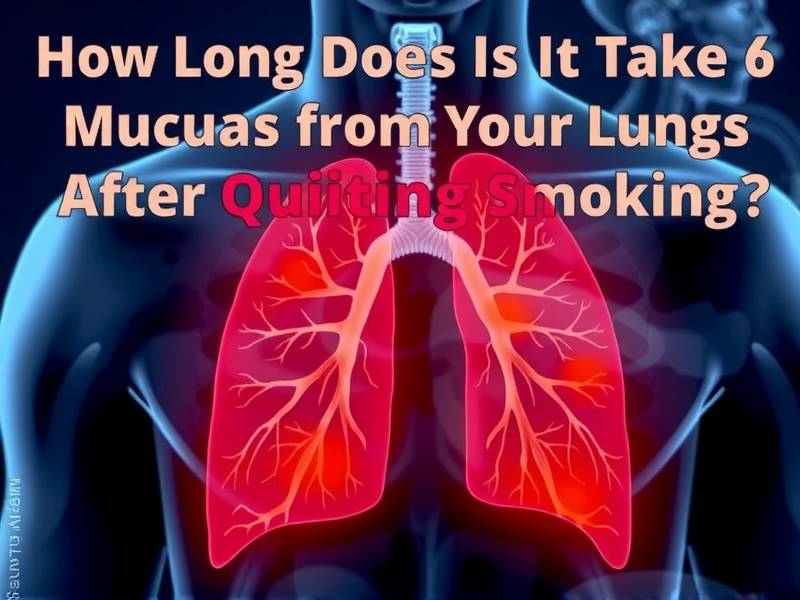
1. The Buildup of Mucus When you smoke, your lungs are exposed to harmful chemicals that can irritate the airways and lead to an accumulation of mucus. This mucus can feel thick and may be accompanied by coughing or a feeling of congestion.
2. The Body's Response Upon quitting smoking, your body starts to repair itself. The inflammation in your airways reduces, and your immune system becomes more efficient at clearing out debris and irritants.
3. The Timeline
How Long Does It Take?
The timeline for clearing mucus from the lungs after quitting smoking can vary widely among individuals. Here are some general guidelines:
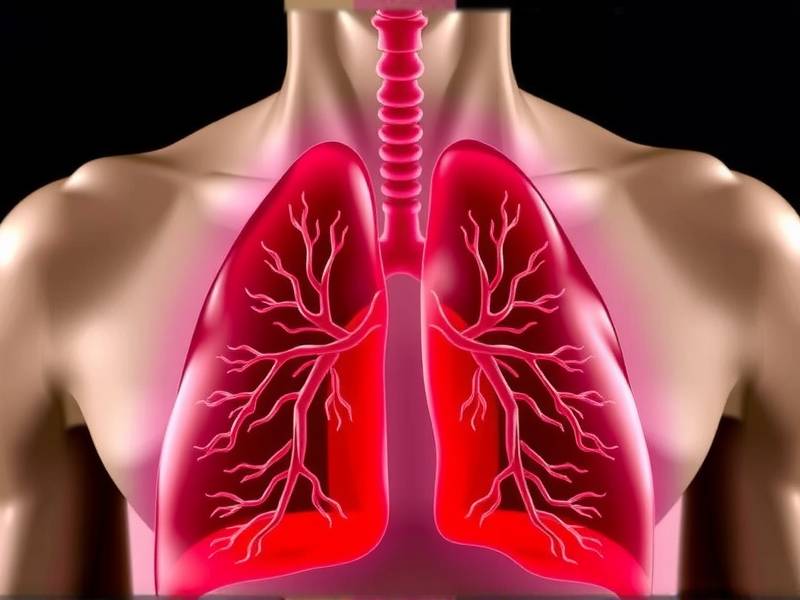
- Immediate Relief: Some people may notice a decrease in mucus production within days of quitting.
- One Month: Within a month, many individuals experience a significant reduction in coughing and phlegm.
- Three Months: After about three months, many ex-smokers report that their respiratory symptoms have greatly improved.
- Six Months to One Year: It typically takes around six months to a year for the lungs to fully recover from smoking-related damage, with mucus production returning to normal levels.
Factors Influencing Recovery
Several factors can influence how quickly an individual clears mucus from their lungs:
- Duration of Smoking: The longer you smoked, the more time it may take for your lungs to recover.
- Age: Younger individuals tend to recover faster than older ones due to their bodies' greater regenerative capacity.
- Overall Health: A person's general health status at the time they quit can impact recovery rates.
- Environmental Exposure: Continued exposure to pollutants or secondhand smoke can slow down lung recovery.
Conclusion: The journey towards clearer lungs after quitting smoking is unique for each individual. While it may take several months or even a year for some people to see significant improvements in respiratory health, it's important to remember that every day without smoking is a step towards better health. By staying committed and taking care of your body through proper nutrition and exercise, you'll continue on this path towards healthier lungs and overall well-being.