
Do Patches Really Help You Quit Smoking? A Comprehensive Guide to Effective Smoking Cessation Method
Do Patches Really Help You Quit Smoking? A Comprehensive Guide to Effective Smoking Cessation Methods
Introduction: Smoking cessation is a challenging endeavor for many individuals. With numerous methods available, it can be overwhelming to determine which one is the most effective. One popular option is the use of nicotine patches. But do they really help you quit smoking? In this comprehensive guide, we will explore the efficacy of nicotine patches and other smoking cessation methods.
- Understanding Nicotine Patches Nicotine patches are a transdermal therapy that delivers a controlled dose of nicotine through the skin. The idea behind this method is to reduce withdrawal symptoms and cravings associated with quitting smoking.
1.1 How Nicotine Patches Work Nicotine patches work by releasing nicotine into the bloodstream at a steady rate, reducing withdrawal symptoms and cravings. The patches come in various strengths, allowing individuals to gradually decrease their nicotine intake.

1.2 Pros and Cons of Using Nicotine Patches While nicotine patches have been shown to be effective for some individuals, they may not be suitable for everyone. Here are some pros and cons to consider:
Pros:
- Gradually reduces withdrawal symptoms and cravings
- Easy to use and discreet
- Available in various strengths
Cons:
- May cause skin irritation or allergic reactions
- Not suitable for everyone due to potential side effects
- Requires commitment to follow the prescribed regimen
- Alternative Smoking Cessation Methods If nicotine patches are not your preferred option or do not work for you, there are several alternative methods you can try:
2.1 Behavioral Therapy Behavioral therapy, such as cognitive-behavioral therapy (CBT), focuses on identifying and changing negative thought patterns related to smoking. This method can help individuals develop coping strategies and improve their chances of quitting successfully.
2.2 Prescription Medications Prescription medications like varenicline (Chantix) or bupropion (Zyban) can help reduce withdrawal symptoms and cravings by targeting specific brain receptors involved in nicotine addiction.
2.3 Over-the-Counter Products Over-the-counter (OTC) products such as gum, lozenges, inhalers, and nasal sprays provide controlled doses of nicotine or other substances that mimic the effects of smoking.
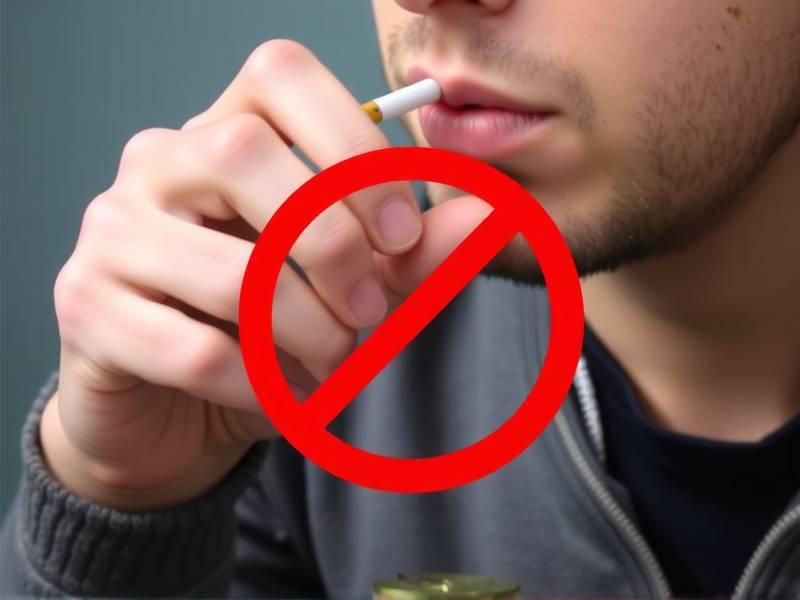
- Tips for Successful Smoking Cessation Regardless of the method you choose, here are some tips to increase your chances of quitting successfully:
3.1 Set a Quit Date Choose a date that feels right for you and mark it on your calendar. This will help you stay focused on your goal.
3.2 Create a Support System Surround yourself with friends, family members, or support groups who can offer encouragement and advice throughout your journey.
3.3 Develop Coping Strategies Identify triggers that make you want to smoke and find healthy alternatives or coping strategies to deal with them.
- Conclusion: While nicotine patches may work well for some individuals looking to quit smoking, it's important to explore other options if they don't suit your needs or preferences. By combining behavioral therapy, prescription medications, over-the-counter products, and a strong support system, you can increase your chances of successfully breaking free from the grip of tobacco addiction.