
Does Quitting Smoking Really Make You Sick? The Truth About Health Effects
Does Quitting Smoking Really Make You Sick? The Truth About Health Effects
Introduction: The decision to quit smoking is a significant step towards a healthier lifestyle. However, many smokers are concerned about the potential health effects of quitting, with some even experiencing what is known as "smoking withdrawal syndrome." In this article, we delve into the truth about health effects when you quit smoking and explore whether or not it can make you sick.

Section 1: Understanding Smoking Withdrawal Syndrome Smoking withdrawal syndrome refers to the symptoms that occur when a person stops smoking. These symptoms can include irritability, anxiety, depression, headaches, and increased appetite. While these symptoms may seem concerning, they are usually short-lived and not a sign of long-term health issues.
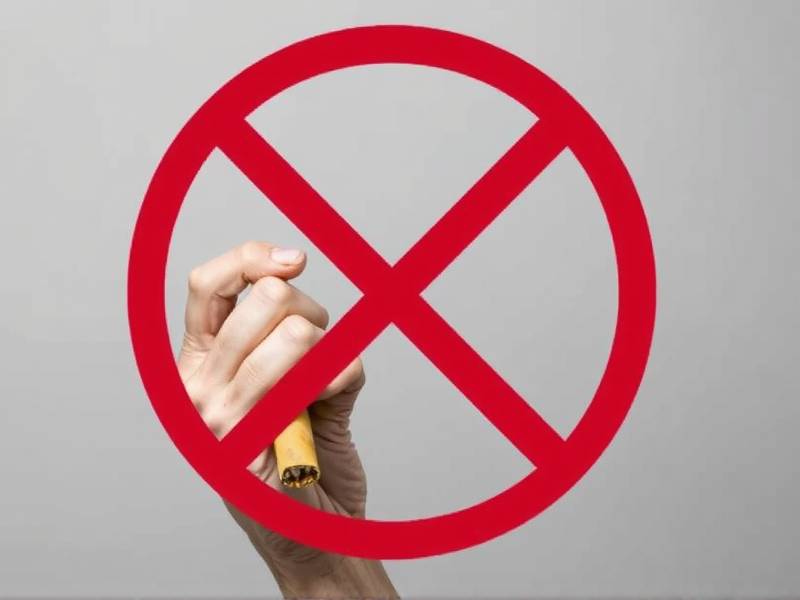
Section 2: Immediate Health Benefits of Quitting Smoking Contrary to popular belief, quitting smoking does not make you sick; instead, it has numerous immediate health benefits. Within 20 minutes of quitting, your heart rate and blood pressure begin to drop. After 12 hours without smoking, carbon monoxide levels in your blood return to normal. Within two weeks to three months after quitting, your circulation improves significantly, and your lung function begins to increase.
Section 3: Long-term Health Benefits of Quitting Smoking The long-term benefits of quitting smoking are substantial. Within five years after quitting, your risk of stroke decreases by almost half. After 10 years without smoking, your risk of lung cancer is cut in half compared to continuing smokers. Additionally, within 15 years after quitting, your risk of heart disease is similar to that of someone who has never smoked.
Section 4: Managing Withdrawal Symptoms If you're experiencing withdrawal symptoms while trying to quit smoking, there are various strategies you can use to manage them:
- Nicotine Replacement Therapy (NRT): NRT products such as gum, patches, lozenges, inhalers, and nasal sprays can help alleviate withdrawal symptoms.
- Medications: Certain medications have been approved by the FDA for treating nicotine dependence.
- Behavioral strategies: Seek support from friends and family or join a support group.
- Alternative methods: Engage in activities that distract you from cravings or thoughts about smoking.
Conclusion: In conclusion, the idea that quitting smoking makes you sick is a myth. In reality, quitting smoking has numerous immediate and long-term health benefits. While you may experience withdrawal symptoms during the process, there are effective strategies available to help manage these symptoms. By making the decision to quit smoking and seeking support when needed, you can improve your health and well-being for years to come.