
Can COPD Develop After Quitting Smoking?
Can COPD Develop After Quitting Smoking?
Introduction: Chronic Obstructive Pulmonary Disease (COPD) is a common lung condition that affects millions of people worldwide. While it is widely known that smoking is a significant risk factor for developing COPD, many individuals are curious about the possibility of developing the disease after quitting smoking. In this article, we will explore this topic and provide insights into whether COPD can develop after quitting smoking.
Understanding COPD: Before diving into the question of whether COPD can develop after quitting smoking, let's first understand what COPD is. COPD is a progressive lung disease characterized by chronic inflammation and narrowing of the airways. This leads to difficulty in breathing, coughing, and increased mucus production.

The Link Between Smoking and COPD: It is well-established that smoking is the leading cause of COPD. The harmful chemicals in tobacco smoke irritate and inflame the airways, leading to long-term damage. However, it's important to note that not everyone who smokes will develop COPD, as genetics and environmental factors also play a role.
Can COPD Develop After Quitting Smoking? Now, let's address the main question: Can COPD develop after quitting smoking? The answer is both yes and no.
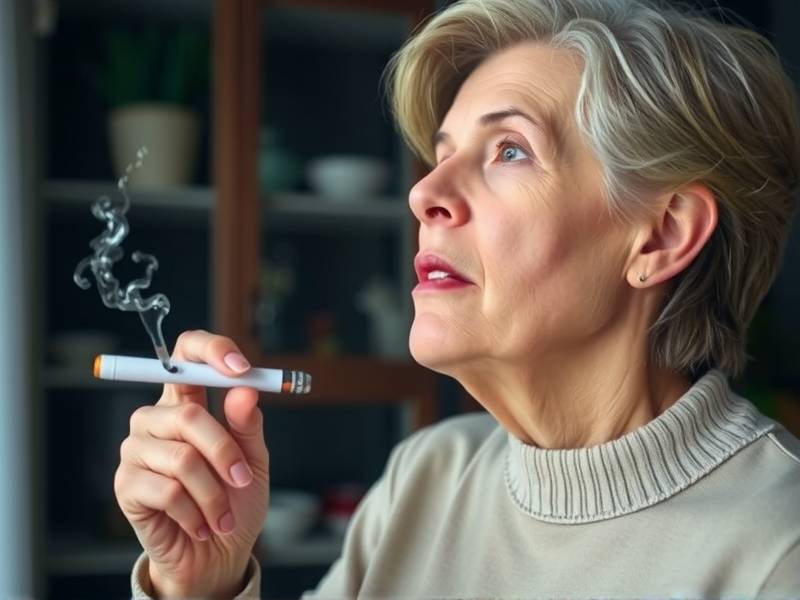
Yes: While quitting smoking significantly reduces the risk of developing or worsening COPD, it does not completely eliminate it. Studies have shown that individuals who quit smoking may still have some degree of lung damage due to past exposure to tobacco smoke. This damage can sometimes lead to the development of COPD even after quitting.
No: On the other hand, it's important to note that quitting smoking significantly slows down the progression of COPD in individuals who have already been diagnosed with the disease. In fact, many individuals who quit smoking experience improvements in their symptoms and overall lung function over time.
Factors Influencing Post-Quitting Risk: Several factors can influence the risk of developing COPD after quitting smoking:
- Duration of Smoking: The longer you smoke, the higher your risk of developing COPD.
- Amount Smoked: The more cigarettes smoked per day or per year, the greater the risk.
- Genetic Factors: Certain genetic variations may make some individuals more susceptible to developing COPD.
- Environmental Exposure: Exposure to other lung irritants such as dust or chemical fumes can also increase your risk.
Conclusion: In conclusion, while quitting smoking significantly reduces your risk of developing or worsening COPD, it does not guarantee complete protection against this disease. Individuals who have smoked for an extended period may still be at risk for developing COPD even after quitting. However, it's crucial to remember that quitting smoking at any point can still provide significant health benefits and reduce your risk compared to continuing to smoke.
It's always recommended to consult with healthcare professionals for personalized advice regarding your health concerns and treatment options related to tobacco use and lung conditions like COPD.