
How Long Before You Can Say You Really Quit Smoking?
The Journey to True Smoking Cessation: How Long Before You Can Declare Yourself a Quitter?
Introduction: The decision to quit smoking is a significant step towards a healthier life. However, the question that often lingers in the minds of smokers is, "How long before I can say I have really quit smoking?" This article delves into this question, offering insights and guidance to help you understand the journey towards true smoking cessation.
Section 1: Defining 'Really Quitting' What does it mean to 'really quit' smoking? It's more than just abstaining from cigarettes for a few days or weeks. True quitting involves breaking the physical and psychological addiction, and adopting a smoke-free lifestyle. Let's explore the factors that contribute to this definition.
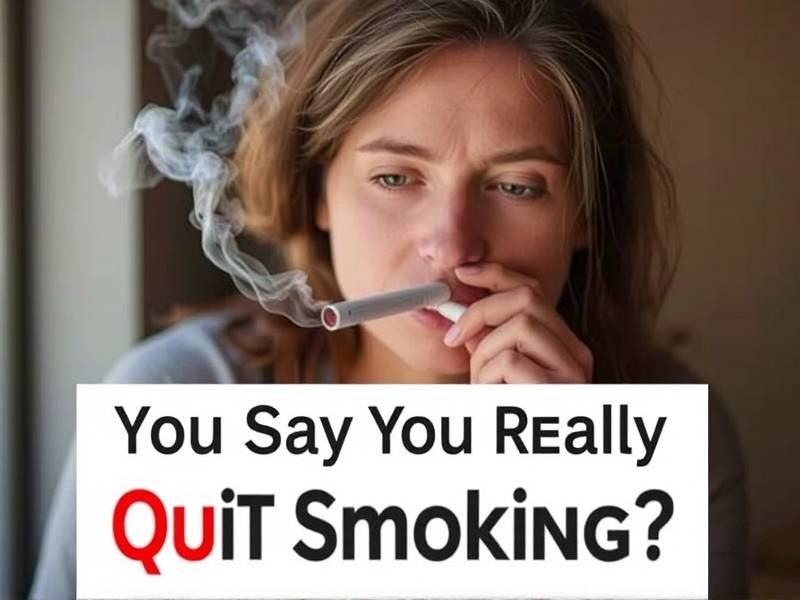
Subsection 1.1: Physical Dependency Nicotine is an addictive substance that affects the brain's reward system. Breaking this physical dependency requires time as your body adjusts to functioning without nicotine. On average, it takes about three months for your body to recover from nicotine withdrawal symptoms fully.
Subsection 1.2: Psychological Dependency The psychological aspects of smoking are equally challenging. Habits such as smoking while drinking coffee or after meals can be difficult to break. Recognizing and addressing these triggers is crucial in achieving true quitting.
Section 2: Timeframe for Quitting The timeframe for quitting smoking varies from person to person, depending on several factors:
Subsection 2.1: Individual Differences Age, gender, genetics, and overall health can impact how quickly you recover from nicotine addiction. For instance, younger individuals may experience faster recovery compared to older adults.
Subsection 2.2: Smoking Patterns The number of cigarettes smoked daily and the duration of smoking play a role in determining the timeframe for quitting. Smokers who have smoked for many years or smoke heavily may take longer to quit than those who have smoked for a shorter period or smoke less frequently.
Subsection 2.3: Support Systems Having a strong support system, including friends, family, and healthcare professionals, can significantly shorten the time it takes to quit smoking.
Section 3: Strategies for Successful Quitting To increase your chances of successfully quitting smoking, consider adopting the following strategies:
Subsection 3.1: Nicotine Replacement Therapy (NRT) NRT products like gum, patches, lozenges, and inhalers can help alleviate withdrawal symptoms and reduce cravings.
Subsection 3.2: Medications Prescription medications such as varenicline (Chantix) or bupropion (Zyban) can aid in quitting by reducing cravings and withdrawal symptoms.

Subsection 3.3: Behavioral Changes Identifying and modifying triggers that lead to smoking can make it easier to quit successfully.
Conclusion: The journey towards true smoking cessation is unique for each individual but generally requires several months of effort and commitment. By understanding the factors contributing to successful quitting and implementing effective strategies, you can take control of your health and say with confidence that you have truly quit smoking. Remember that progress may vary from person to person; be patient with yourself as you navigate this transformative journey towards a smoke-free life.