
How Long Do the Cravings Last After You Quit Smoking?
Understanding the Duration of Nicotine Cravings Post-Quitting Smoking
Introduction: Quitting smoking is a significant decision that can lead to numerous health benefits. However, one of the most challenging aspects of quitting is dealing with nicotine cravings. Many smokers wonder how long these cravings will last after they kick the habit. In this article, we'll delve into the duration of nicotine cravings and provide insights to help you navigate through this phase.
Understanding Nicotine Withdrawal
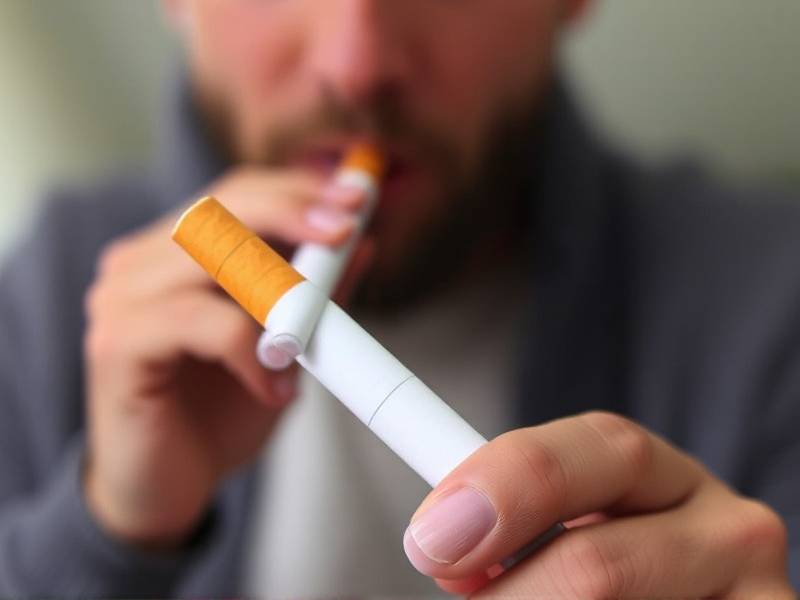
What Are Nicotine Cravings? Nicotine cravings are intense desires for nicotine, which are a common symptom of nicotine withdrawal. When you stop smoking, your body adjusts to lower levels of nicotine, leading to a range of physical and psychological symptoms.
The Role of Nicotine in Your Body Nicotine is an addictive substance that affects the brain's reward system, creating a sense of pleasure and relaxation. Over time, your body becomes dependent on this substance, and withdrawal symptoms occur when you stop using it.
How Long Do Nicotine Cravings Last?
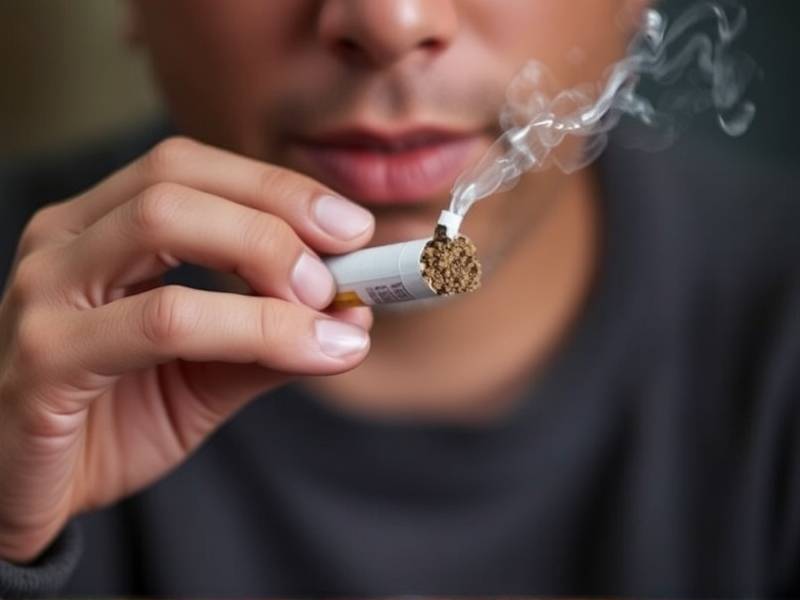
Immediate Impact Immediately after quitting smoking, you may experience intense cravings. These can peak within the first few days and can be quite overwhelming.
First Week: The Height of Cravings During the first week after quitting, nicotine cravings are typically at their strongest. This is when many people find it most challenging to resist the urge to smoke.
Weeks 2-4: Gradual Reduction As your body begins to adjust to lower levels of nicotine, cravings should start to decrease in intensity and frequency. During this period, they may still occur but will likely be less intense than in the first week.
Months 1-3: Occasional Cravings After about three months, most people find that their cravings have significantly diminished. While they may still occur occasionally, they are usually much easier to manage.
Long-Term Outlook: Maintenance Over time, as your body continues to heal from smoking's effects and you develop coping strategies for stress and triggers, cravings should become even less frequent and manageable.
Tips for Managing Cravings
- Stay Hydrated: Drinking plenty of water can help alleviate some symptoms of withdrawal.
- Stay Active: Physical activity can reduce stress and improve mood.
- Identify Triggers: Recognize what situations or emotions tend to trigger your cravings and plan how you'll respond.
- Seek Support: Joining a support group or seeking counseling can provide valuable guidance and camaraderie during this journey.
- Reward Yourself: Set milestones for yourself as you progress towards becoming smoke-free and reward yourself accordingly.
Conclusion: While nicotine cravings can be challenging during the early stages of quitting smoking, understanding their duration can help you stay motivated and focused on your goal. Remember that everyone's experience is unique, but with patience and determination, you can overcome these challenges and enjoy a smoke-free life for years to come.