
What Really Helps Clear Out Lungs After You Quit Smoking?
Unveiling the Secrets: What Really Helps Clear Out Lungs After You Quit Smoking?
Introduction: Quitting smoking is a significant decision that not only improves one's health but also enhances their overall well-being. However, the journey doesn't end once you kick the habit. Many individuals wonder about the best ways to clear out their lungs after quitting smoking. In this article, we will explore various methods and techniques that can help you breathe easier and improve lung function.
-
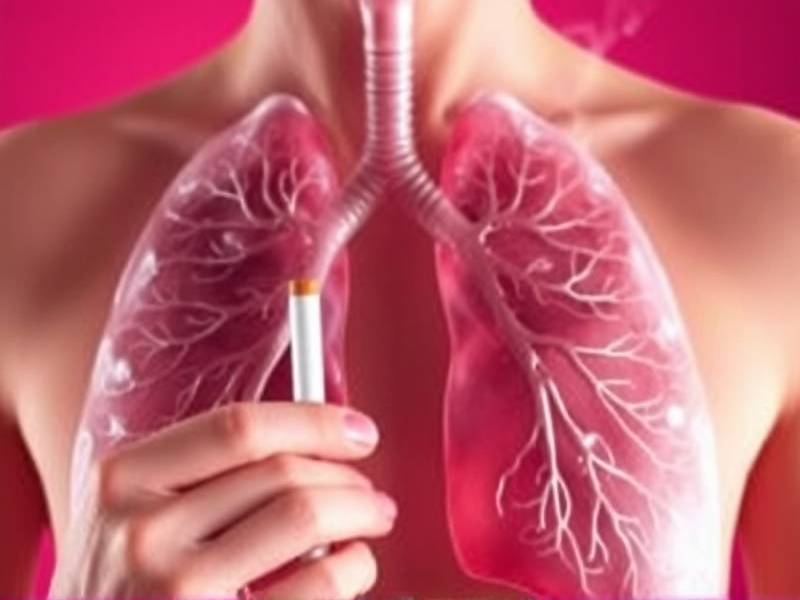
Understanding the Effects of Smoking on Lungs: Smoking damages the delicate tissues in your lungs, leading to inflammation, scarring, and reduced oxygen supply. It's crucial to understand these effects to appreciate the importance of lung clearance after quitting.
-
Breathing Exercises: Practicing breathing exercises can help improve lung capacity and clear out trapped mucus. Techniques like diaphragmatic breathing, deep breathing exercises, and pursed-lip breathing can be beneficial.
a) Diaphragmatic Breathing: This exercise focuses on using your diaphragm instead of your chest muscles while inhaling and exhaling. It helps increase lung capacity and promotes relaxation.
b) Deep Breathing Exercises: Deep breathing exercises involve taking slow, deep breaths to fill your lungs completely. This technique can help clear out mucus and improve oxygen flow.
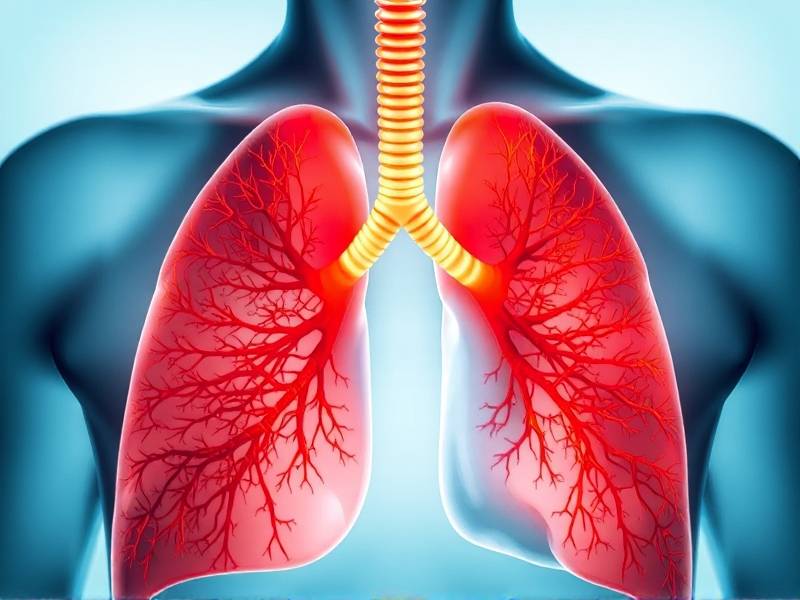
c) Pursed-Lip Breathing: Pursed-lip breathing involves inhaling through your nose and exhaling slowly through pursed lips. This technique helps keep airways open longer, allowing for better mucus clearance.
-
Regular Physical Activity: Engaging in regular physical activity is essential for improving lung function after quitting smoking. Activities like walking, jogging, cycling, or swimming can help enhance lung capacity and promote overall health.
-
Hydration: Drinking plenty of water is vital for maintaining healthy lungs after quitting smoking. Staying hydrated helps thin mucus, making it easier to expel from your respiratory system.
-
Avoiding Exposure to Pollutants: Reducing exposure to pollutants such as secondhand smoke, dust, and air pollution is crucial for lung health after quitting smoking. Take necessary precautions to minimize exposure to these harmful substances.
-
Quitting Smoking Support Groups: Joining a support group or seeking guidance from healthcare professionals can provide motivation and valuable insights on clearing out lungs after quitting smoking.
-
Healthy Diet: A balanced diet rich in fruits, vegetables, lean proteins, whole grains, and healthy fats can support lung health after quitting smoking. Foods high in antioxidants like vitamin C and vitamin E can help reduce inflammation in the lungs.
Conclusion: Clearing out lungs after quitting smoking is a gradual process that requires patience and dedication. By incorporating these techniques into your daily routine, you can enhance lung function and improve overall well-being. Remember that seeking professional advice from healthcare providers is always recommended for personalized guidance on improving lung health after quitting smoking.