Why Is It Harder to Breathe After Quitting Smoking? The Science Behind the Shortness of Breath
Why Does Breathing Feel More Difficult After Quitting Smoking? Unveiling the Science Behind Shortness of Breath
Introduction: Quitting smoking is a significant step towards a healthier life, but many individuals often experience a surprising challenge - difficulty in breathing. If you've recently quit smoking and find yourself struggling to breathe, you're not alone. This article delves into the science behind shortness of breath after quitting smoking, helping you understand why it happens and how to cope with it.
-
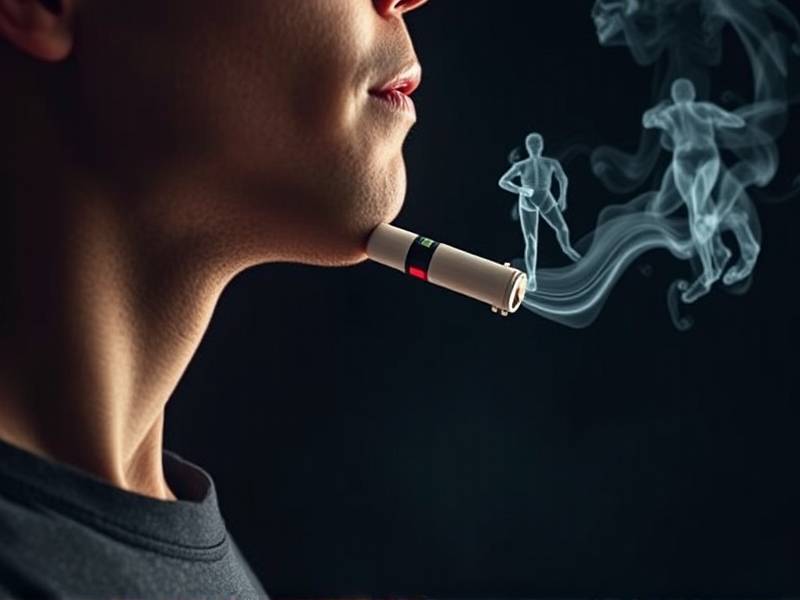
The Impact of Smoking on Lungs: Smoking causes significant damage to the lungs over time. The toxic substances in cigarettes lead to inflammation, irritation, and scarring of the lung tissues. This damage affects the lung capacity and function, making it harder to breathe efficiently.
-
Carbon Monoxide and Oxygen Transport: One of the primary reasons for shortness of breath after quitting smoking is the reduction in carbon monoxide levels in your blood. Carbon monoxide binds to hemoglobin more readily than oxygen, reducing oxygen transport throughout the body. As you quit smoking, your blood's oxygen-carrying capacity improves, leading to a feeling of increased effort while breathing.
-
Bronchial Constriction: Smoking causes bronchial constriction, narrowing the airways in your lungs. When you quit smoking, these airways start to relax and open up gradually. However, this process can cause temporary discomfort and difficulty in breathing during the initial phase of quitting.
-
Coughing and Mucus Production: Quitting smoking often triggers coughing spells as your body tries to rid itself of tar and mucus accumulated in the lungs over time. This mucus production can make it harder to breathe temporarily.
-
Improved Lung Function Over Time: While it may seem challenging initially, quitting smoking has long-term benefits for lung function. Over time, your lungs will continue to heal from past damage caused by smoking. This healing process leads to improved breathing capacity and reduced shortness of breath.
-
Strategies for Coping with Shortness of Breath: Here are some tips to help you manage shortness of breath after quitting smoking:
a) Practice Deep Breathing Exercises: Deep breathing exercises can help improve lung capacity and reduce shortness of breath. b) Stay Hydrated: Drinking plenty of water helps thin out mucus production. c) Gradual Increase in Physical Activity: Gradually increasing your physical activity level can help strengthen your respiratory muscles. d) Seek Professional Help: If shortness of breath persists or worsens, consult a healthcare professional for further evaluation.
Conclusion: Difficulty in breathing after quitting smoking is a common experience that stems from the body's healing process from past damage caused by smoking. Understanding the science behind this phenomenon can help you manage it effectively and stay motivated on your journey towards better health. Remember that every step towards quitting smoking brings you one step closer to improved lung function and overall well-being!