
Does Quitting Smoking Really Raise Your Blood Pressure?
Does Quitting Smoking Really Raise Your Blood Pressure?
Introduction: The decision to quit smoking is a significant step towards improving one's health. However, many smokers are hesitant to take this step due to concerns about potential side effects, such as increased blood pressure. In this article, we will explore whether quitting smoking can indeed raise blood pressure and provide insights into the science behind it.
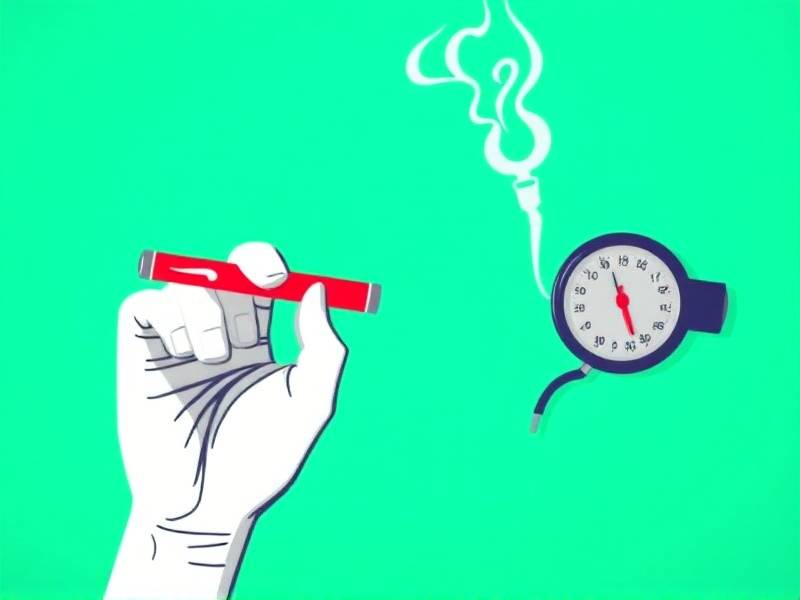
Understanding the relationship between smoking and blood pressure:

-
Smoking and temporary blood pressure spikes: It is well-known that smoking causes immediate increases in blood pressure. The nicotine present in cigarettes acts as a stimulant, leading to an increase in heart rate and constriction of blood vessels. While these effects are temporary, they can be harmful over time.
-
Long-term effects of smoking on blood pressure: Long-term smoking can lead to chronic hypertension (high blood pressure). This is due to the damage caused by nicotine and other harmful chemicals present in cigarettes to the arteries, making them narrower and less flexible.
Does quitting smoking raise your blood pressure?
-
The "white coat" effect: When smokers quit, they often experience a phenomenon known as the "white coat" effect. This refers to a temporary increase in blood pressure when visiting a healthcare professional due to anxiety or stress. It's essential not to confuse this with long-term effects.
-
The "rebound" effect: After quitting smoking, some individuals may experience a temporary increase in blood pressure known as the "rebound" effect. This occurs as the body adjusts to lower levels of nicotine and other harmful chemicals. However, this increase is usually short-lived and can be managed with lifestyle changes.
Tips for managing potential increased blood pressure after quitting:
-
Regular exercise: Engaging in physical activity helps lower blood pressure by improving cardiovascular health and promoting weight loss.
-
Healthy diet: A balanced diet rich in fruits, vegetables, whole grains, lean proteins, and low-fat dairy products can help manage blood pressure levels.
-
Stress management: Techniques such as meditation, deep breathing exercises, or yoga can help reduce stress levels and prevent potential spikes in blood pressure.
-
Consult your healthcare provider: If you experience persistent high blood pressure after quitting smoking, it's crucial to consult your healthcare provider for personalized advice and treatment options.
Conclusion: While quitting smoking may cause a temporary increase in blood pressure for some individuals, it is still a beneficial decision for overall health. By adopting healthy lifestyle changes and seeking medical advice if needed, you can manage any potential side effects effectively. Remember that the long-term benefits of quitting far outweigh any short-term challenges you may face during the process.