
The toughest Days After Quitting Smoking: How to Navigate Them
The Toughest Days After Quitting Smoking: How to Navigate Them
Introduction: Quitting smoking is a significant life decision that requires immense willpower and determination. While the initial stages of quitting may be challenging, the toughest days often come after the initial withdrawal symptoms have subsided. In this article, we will explore how to navigate these difficult days and maintain your commitment to a smoke-free life.
Understanding the Withdrawal Period

-
Acknowledge the Withdrawal Symptoms: After quitting smoking, it's common to experience withdrawal symptoms such as cravings, irritability, anxiety, and mood swings. Understanding that these symptoms are temporary can help you stay motivated.
-
Recognize Triggers: Identify situations or emotions that trigger your desire to smoke and prepare strategies to cope with them effectively.
Strategies for Overcoming Cravings
-
Distract Yourself: When cravings hit, engage in activities that divert your attention from smoking. This could be a hobby, exercise, or even just taking a short walk.
-
Use Nicotine Replacement Therapy (NRT): NRT products like gum, patches, or lozenges can help alleviate withdrawal symptoms by providing controlled doses of nicotine without the harmful effects of tobacco smoke.
-
Practice Mindfulness Techniques: Mindfulness exercises such as deep breathing or meditation can help you stay grounded during moments of temptation.
Coping with Emotional Challenges
-
Seek Support: Connect with friends, family, or support groups who understand what you're going through and can offer encouragement and advice.
-
Focus on Positive Outcomes: Remind yourself why you quit in the first place and how much healthier your life is becoming without cigarettes.
-
Set Realistic Goals: Break down your quit journey into smaller goals and celebrate each achievement along the way.
Maintaining Long-Term Success
-
Create a Smoke-Free Environment: Eliminate triggers by removing cigarettes from your home and workplace.
-
Stay Active: Regular exercise can improve mood and reduce stress levels associated with quitting smoking.
-
Reward Yourself: Celebrate milestones by treating yourself to something special—whether it's a new outfit or an evening out with friends.
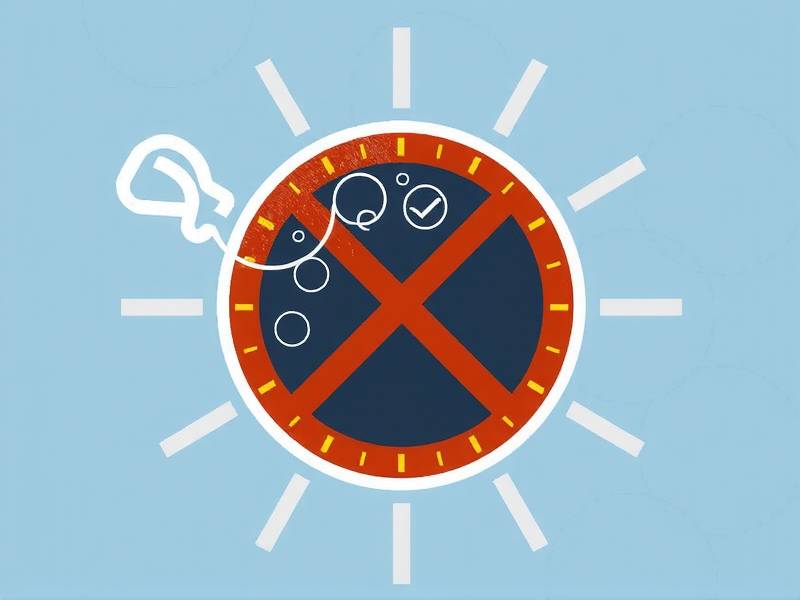
Conclusion:
Quitting smoking is undoubtedly one of the most challenging decisions you'll ever make. However, by understanding the withdrawal period, implementing effective coping strategies for cravings and emotional challenges, and maintaining long-term commitment to a smoke-free lifestyle, you can navigate these tough days successfully. Remember that every day without smoking is a step towards better health—a reward worth celebrating!