
Do Lungs Really Heal After Quitting Smoking? The Truth You Need to Know
Do Lungs Really Heal After Quitting Smoking? The Truth You Need to Know
Introduction: Smoking has long been recognized as a dangerous habit that can lead to numerous health issues, including lung diseases. One of the most common questions among smokers who are considering quitting is whether their lungs can truly heal after they stop smoking. In this article, we will delve into the truth behind lung healing and provide you with valuable insights.
Section 1: Understanding the Impact of Smoking on Lungs Smoking damages the delicate tissues in the lungs, leading to inflammation, scarring, and reduced oxygen-carrying capacity. The harmful chemicals present in tobacco smoke can cause irreversible damage to the respiratory system. However, it is crucial to note that quitting smoking can significantly improve lung health and reduce the risk of developing chronic lung diseases.
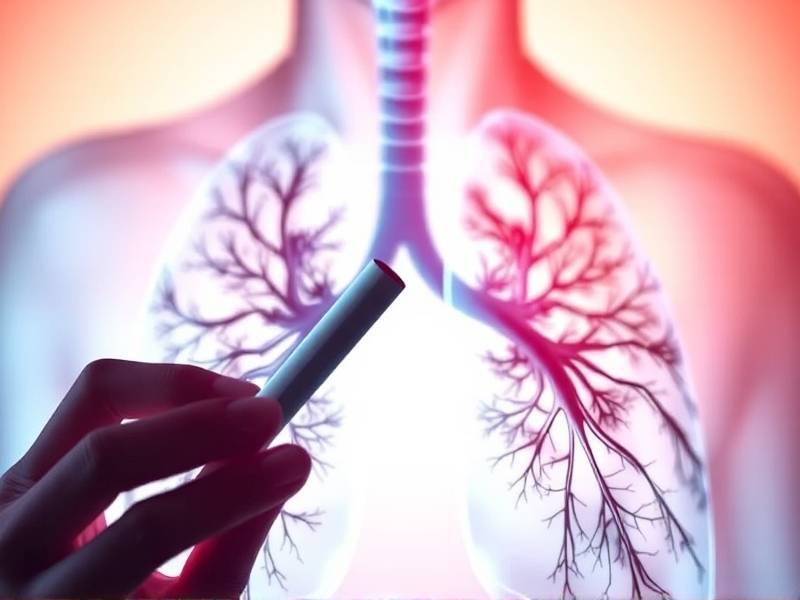
Section 2: The Healing Process When you quit smoking, your lungs begin to heal almost immediately. Here's what happens:
-
Within 48 hours of quitting: Your sense of smell and taste start to improve as your body eliminates toxins from tobacco smoke.
-
Within 3-9 months: Your lungs' airways begin to relax and expand, making breathing easier. Coughing and shortness of breath may decrease as your body clears out mucus and debris accumulated from smoking.
-
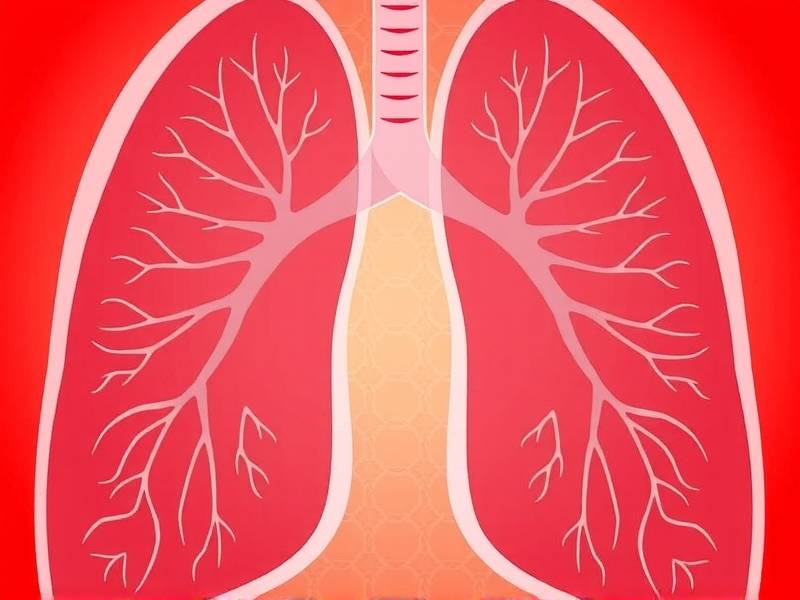
Within 1-5 years: The risk of heart disease decreases significantly as your blood vessels start to repair themselves. Your overall lung function improves, reducing the risk of developing chronic obstructive pulmonary disease (COPD) or other respiratory conditions.
-
Within 10-15 years: The risk of stroke decreases significantly as your blood vessels continue to heal. Your risk of developing lung cancer also decreases by half compared to a continuing smoker.
Section 3: The Role of Healthy Lifestyle Choices While quitting smoking is a crucial step towards improving lung health, it is important to complement it with healthy lifestyle choices:
-
Regular exercise: Engaging in physical activities such as walking, running, or cycling can enhance lung function and improve overall cardiovascular health.
-
Healthy diet: A balanced diet rich in fruits, vegetables, whole grains, lean proteins, and healthy fats can support lung healing and reduce inflammation.
-
Avoid exposure to secondhand smoke: Secondhand smoke contains harmful chemicals that can worsen lung conditions in ex-smokers.
Conclusion: In conclusion, quitting smoking is a powerful step towards improving lung health and reducing the risk of developing chronic respiratory diseases. While it may take time for your lungs to fully heal after quitting smoking, taking proactive measures such as regular exercise and maintaining a healthy lifestyle will further accelerate the healing process. Remember that it's never too late to quit smoking and take control of your health!