
How Quickly Does Lung Function Improve After Quitting Smoking?
The Journey to Better Health Begins with One Decision
Quitting smoking is a monumental step towards better health, and one of the most encouraging aspects of this journey is the rapid improvement in lung function. The idea of regaining your breath and experiencing a healthier life can be a powerful motivator for those considering or have recently quit smoking. Let's delve into how quickly lung function can improve after quitting.
Immediate Benefits: The First Days
The moment you put out that last cigarette, your body begins its remarkable recovery process. Within just 24 hours, your blood pressure starts to drop, and carbon monoxide levels in your blood decrease significantly. This immediate reduction in harmful substances allows oxygen to flow more freely through your body.
Week One: Breathing Easier
After about a week, many ex-smokers notice an improvement in their breathing. This is because the lungs start to clear out the mucus and debris that have accumulated from years of smoking. You might find yourself taking deeper breaths and feeling less short of air during physical activities.
Month One: Enhanced Lung Capacity
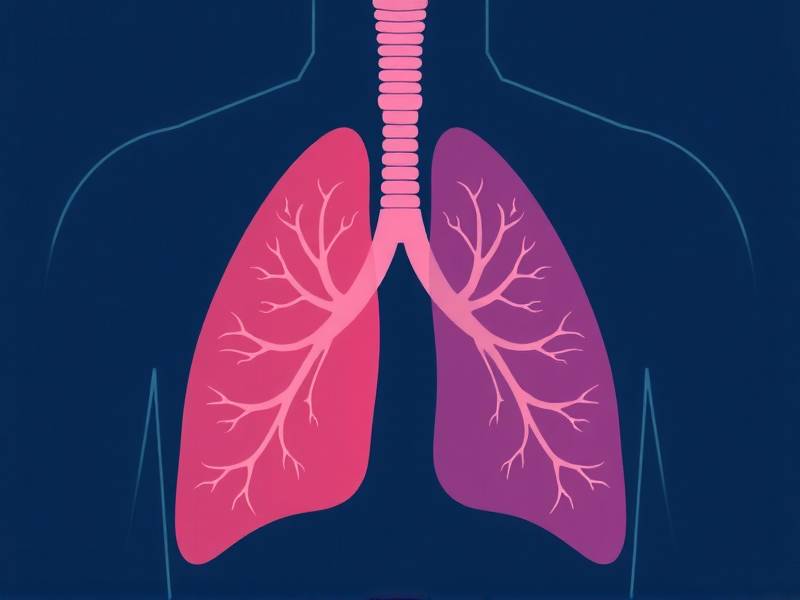
Within one month, the bronchial tubes begin to relax, leading to increased lung capacity. This means you'll likely find it easier to take in more oxygen with each breath, which can lead to improved energy levels and overall well-being.
Three Months: A Cleaner Lung
By three months post-quit, your lungs are already cleaner than when you were smoking. The risk of respiratory infections decreases as your immune system strengthens, and you might start experiencing fewer colds and flu.
Six Months: Improved Oxygen Supply
At six months post-quit, your lungs continue to heal. The alveoli (air sacs) begin to expand again, which improves the oxygen supply throughout your body. This can lead to increased stamina and reduced fatigue.
One Year: A Milestone Improvement
One year after quitting smoking, the risk of heart disease is reduced by half compared to that of a continuing smoker. Your lung function continues to improve as the cilia (tiny hair-like structures that move mucus out of the lungs) become more efficient at clearing out irritants.
Long-Term Benefits: Years Down the Line
Over time, the benefits accumulate:
- Five Years: The risk of stroke decreases significantly.
- Ten Years: The risk of cancer of the mouth, throat, esophagus, bladder, kidney, and pancreas decreases substantially.
- Fifteen Years: The risk of coronary heart disease is similar to that of a non-smoker.
- Twenty Years: The risk of lung cancer is about half that of a continuing smoker.
Conclusion: Every Breath Counts
The journey towards improved lung function after quitting smoking is not just about numbers; it's about feeling better every day. Each step forward brings you closer to a healthier life filled with more energy and vitality.
Remember that while these timelines provide a general guidepost for improvement, individual experiences may vary. If you're considering quitting or have recently quit smoking, celebrate every small victory along the way. Your lungs—and your body—will thank you for it.