
How to Clear Phlegm from Your Lungs After Quitting Smoking
How to Clear Phlegm from Your Lungs After Quitting Smoking: A Comprehensive Guide
Introduction: Quitting smoking is a significant step towards a healthier lifestyle. However, it can also lead to respiratory issues, such as the accumulation of phlegm in the lungs. This article provides a comprehensive guide on how to clear phlegm from your lungs after quitting smoking, ensuring a smoother transition to a smoke-free life.
-
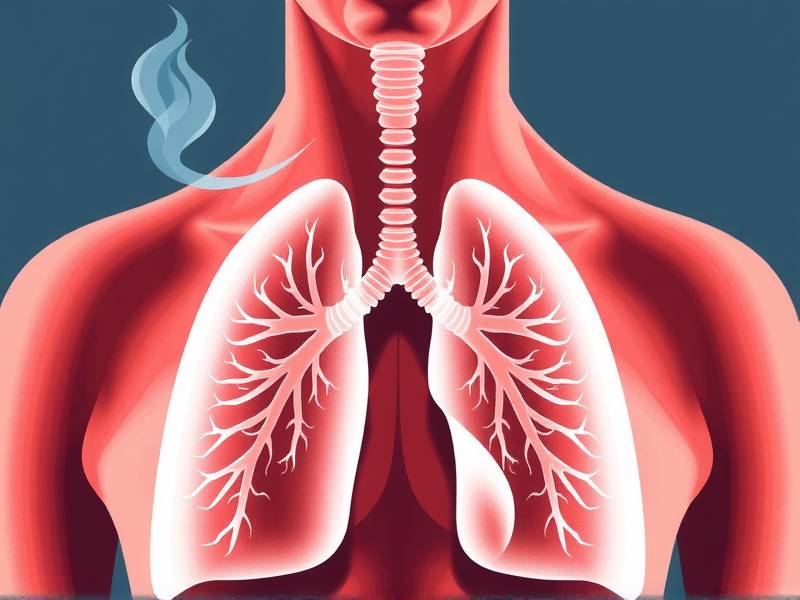
Understanding the Phlegm Accumulation: When you quit smoking, your body starts healing from the damage caused by tobacco smoke. One common side effect is the production of excess mucus or phlegm in the respiratory tract. This is your body's way of trying to expel toxins and heal itself.
-
Stay Hydrated: Drinking plenty of water is crucial when trying to clear phlegm from your lungs. Water helps thin out mucus, making it easier for you to cough it up and eliminate it from your respiratory system. Aim for at least 8-10 glasses of water per day.
-
Practice Coughing Techniques: Regular coughing exercises can help loosen and clear mucus from your lungs. Try deep breathing exercises or huff coughing techniques to stimulate the production of mucus and facilitate its expulsion.
-
Use Steam Therapy: Steam therapy can help open up your airways and loosen mucus. Fill a bowl with hot water and lean over it while covering your head with a towel. Inhale the steam deeply for several minutes, ensuring you don't burn yourself.
-
Gargle with Salt Water: Gargling with warm salt water can help soothe your throat and reduce inflammation in the respiratory tract, leading to easier mucus clearance. Dissolve half a teaspoon of salt in a cup of warm water and gargle for about 30 seconds before spitting it out.
-
Avoid Irritants: Avoid exposure to irritants such as dust, pollen, smoke, or chemical fumes that can worsen respiratory symptoms and increase mucus production.
-
Use Humidifiers: Using a humidifier in your home can add moisture to the air, making it easier for you to breathe and reduce phlegm accumulation in your lungs.
-
Consider Over-the-Counter Remedies: Over-the-counter (OTC) medications like expectorants or decongestants may help relieve symptoms associated with excessive mucus production. Consult with a healthcare professional before starting any new medication.
-
Seek Professional Help if Needed: If you experience persistent or severe symptoms despite following these tips, consult with a healthcare professional who can provide personalized advice or recommend further treatment options.
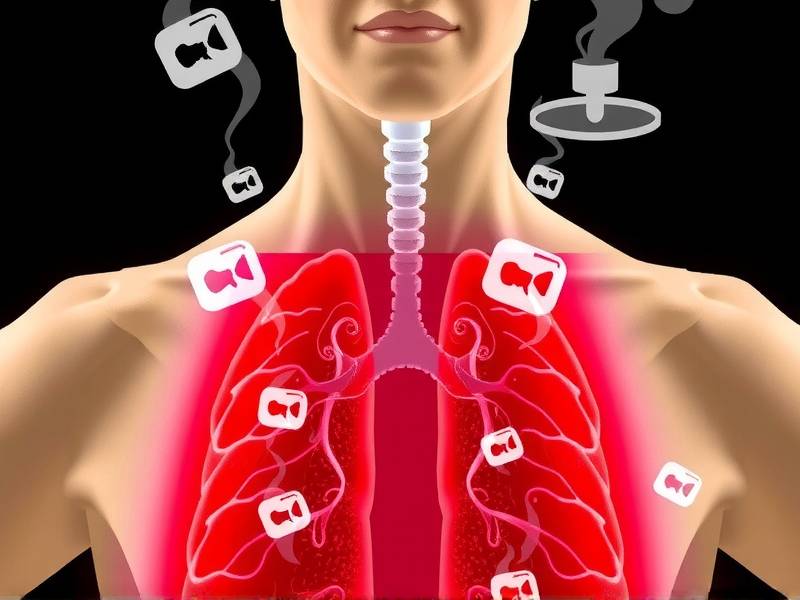
Conclusion: Quitting smoking is an essential step towards better health, but it may come with temporary respiratory challenges like phlegm accumulation in the lungs. By following these steps and maintaining good lung hygiene practices, you can effectively clear phlegm from your lungs after quitting smoking and enjoy improved breathing and overall well-being.