
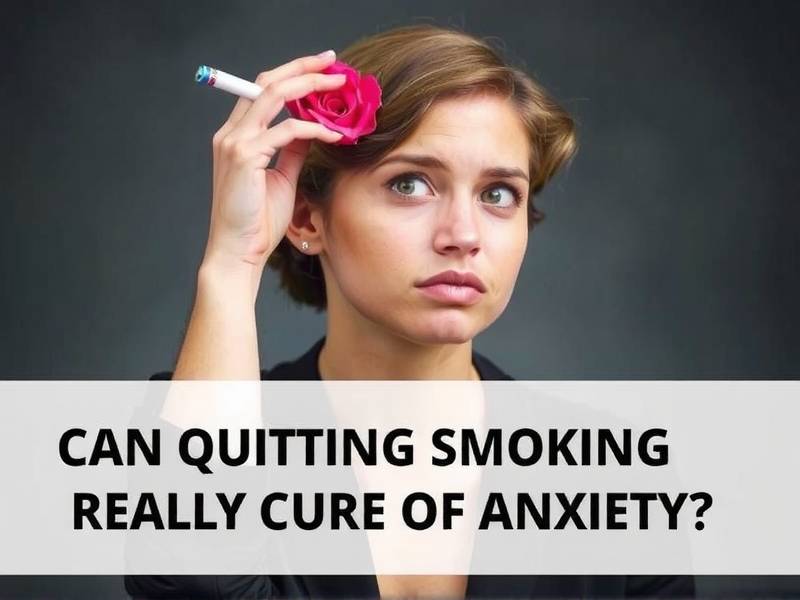
Can Quitting Smoking Really Cure Anxiety?
Can Quitting Smoking Really Cure Anxiety?
Introduction: Anxiety is a common issue that affects millions of people worldwide. Many individuals turn to smoking as a coping mechanism to alleviate their anxiety. However, the question arises: Can quitting smoking actually cure anxiety? In this article, we will explore the relationship between smoking, anxiety, and the potential benefits of quitting.
-
Understanding Anxiety and Smoking Anxiety is a natural response to stress or fear. For some individuals, smoking becomes a crutch to help them cope with their anxious feelings. The nicotine in cigarettes acts as a stimulant, temporarily reducing anxiety symptoms.

-
The Temporary Relief of Smoking While smoking may provide temporary relief from anxiety, it is important to note that it is not a long-term solution. The relief is short-lived and can lead to dependency on nicotine, which can exacerbate anxiety symptoms in the long run.
-
The Risks of Smoking Smoking has numerous health risks, including increased risk of heart disease, stroke, lung cancer, and other respiratory issues. These health risks can further contribute to anxiety and stress levels.
-
Quitting Smoking for Anxiety Relief Research suggests that quitting smoking can have positive effects on anxiety levels. When individuals quit smoking, they experience:
a) Reduced Nicotine Withdrawal Symptoms: Nicotine withdrawal symptoms include irritability, restlessness, and increased anxiety levels. By quitting smoking, these symptoms decrease over time.
b) Improved Mental Health: Quitting smoking can improve overall mental health by reducing stress levels and promoting relaxation.
c) Increased Self-Esteem: Successfully quitting smoking can boost self-esteem and confidence in one's ability to overcome challenges.
- Alternative Coping Strategies To effectively manage anxiety without relying on smoking, individuals can explore alternative coping strategies:
a) Mindfulness and Meditation: Practicing mindfulness and meditation techniques can help individuals stay present and reduce anxious thoughts.
b) Physical Activity: Engaging in regular physical activity releases endorphins that promote relaxation and reduce stress.
c) Professional Support: Seeking support from a therapist or counselor specializing in anxiety management can provide personalized strategies for managing anxious feelings.
Conclusion: While quitting smoking may not directly cure anxiety for everyone, it offers several benefits that can contribute to improved mental health. By adopting healthier coping strategies and seeking professional support when needed, individuals can effectively manage their anxiety without relying on smoking as a crutch. It's important to remember that everyone's journey towards overcoming addiction is unique, so patience and perseverance are key factors in achieving long-term success.