
How Do I Repair My Lungs After Quitting Smoking?
Reviving Your Lungs: A Comprehensive Guide to Post-Quitting Smoking Recovery
Introduction: Quitting smoking is a significant step towards a healthier life, but the journey doesn't end there. Many former smokers wonder how to repair their lungs after years of smoking. This article delves into the process of lung repair, offering practical tips and insights to help you on your path to recovery.
Understanding Lung Damage: The human lung is an intricate organ responsible for oxygenating the blood and removing carbon dioxide. Smoking introduces harmful chemicals that can cause inflammation, scarring, and impaired function in the lungs. It's essential to understand the extent of lung damage before embarking on the repair journey.
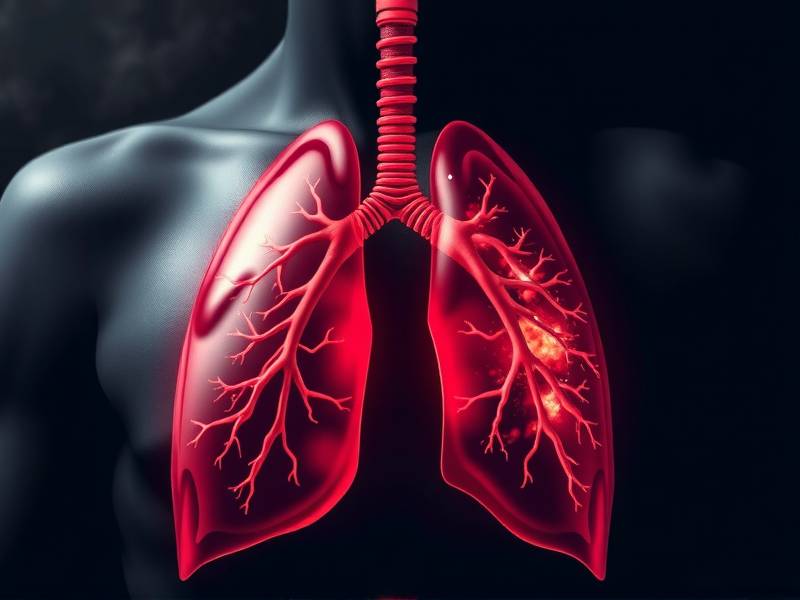
- The Healing Process: After quitting smoking, your lungs begin to heal almost immediately. Here's what happens:
a) Reduction in Inflammation: Within a few days, your lungs start to reduce inflammation caused by smoke exposure. b) Improved Oxygen Levels: Within weeks, your blood oxygen levels will increase significantly. c) Decreased Risk of Infection: Your immune system strengthens as you quit smoking, reducing the risk of lung infections.
- Lifestyle Changes for Lung Repair: To accelerate lung repair, adopt these healthy lifestyle changes:
a) Exercise Regularly: Engaging in moderate exercise like walking or cycling can improve lung capacity and overall health. b) Maintain a Healthy Diet: A balanced diet rich in fruits, vegetables, whole grains, and lean proteins supports lung healing. c) Stay Hydrated: Drinking plenty of water helps flush out toxins from your body. d) Avoid Secondhand Smoke and Air Pollution: These factors can hinder your lung repair process.
- Quitting Smoking Resources: Seeking support from professionals can make a significant difference in your recovery journey:
a) Consult with Healthcare Providers: Discuss your concerns with a doctor or respiratory therapist who can guide you through the process. b) Join Support Groups: Connect with others who have quit smoking for motivation and advice. c) Consider Nicotine Replacement Therapy (NRT): NRT products like patches, gum, or lozenges can help alleviate withdrawal symptoms.
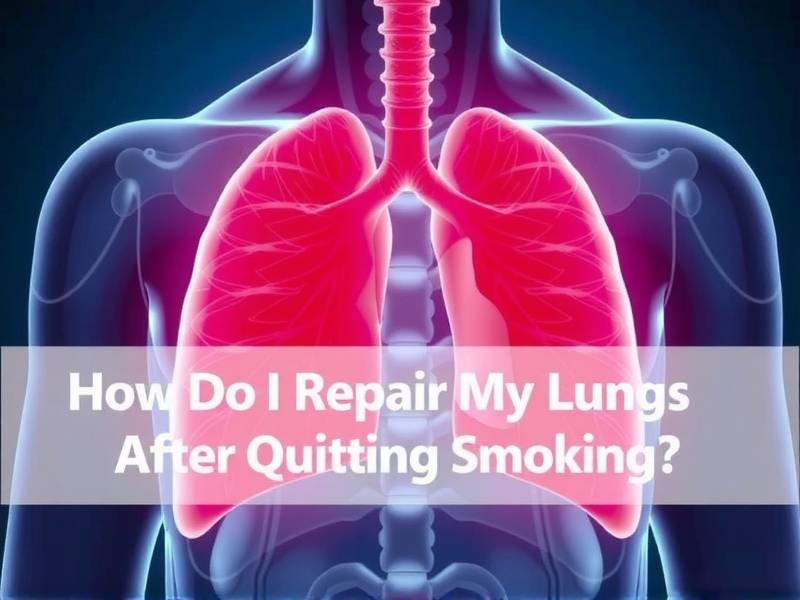
- Monitoring Progress: Regular check-ups with your healthcare provider are crucial for monitoring your progress:
a) Pulmonary Function Tests (PFTs): These tests measure how well your lungs are working and can indicate improvements over time. b) Chest X-rays or CT Scans: These imaging techniques help identify any lingering damage or complications.
Conclusion: Repairing damaged lungs after quitting smoking is a gradual process that requires patience and dedication. By adopting healthy lifestyle changes and seeking professional support, you can accelerate healing and improve overall lung function. Remember that every puff you don't take brings you one step closer to better health!