
Can COPD Get Better If You Quit Smoking?
Understanding Chronic Obstructive Pulmonary Disease (COPD)
Chronic Obstructive Pulmonary Disease (COPD) is a progressive lung disease that makes it hard to breathe. It's often caused by long-term exposure to irritants like tobacco smoke. Symptoms can include shortness of breath, coughing, and chest tightness. While there's no cure for COPD, managing the condition and slowing its progression are crucial.
The Link Between Smoking and COPD
One of the leading causes of COPD is smoking. The chemicals in tobacco smoke irritate the airways, causing inflammation and damage to the lungs over time. Quitting smoking is one of the most effective ways to slow down the progression of COPD and improve overall lung function.
Can Quitting Smoking Make a Difference?
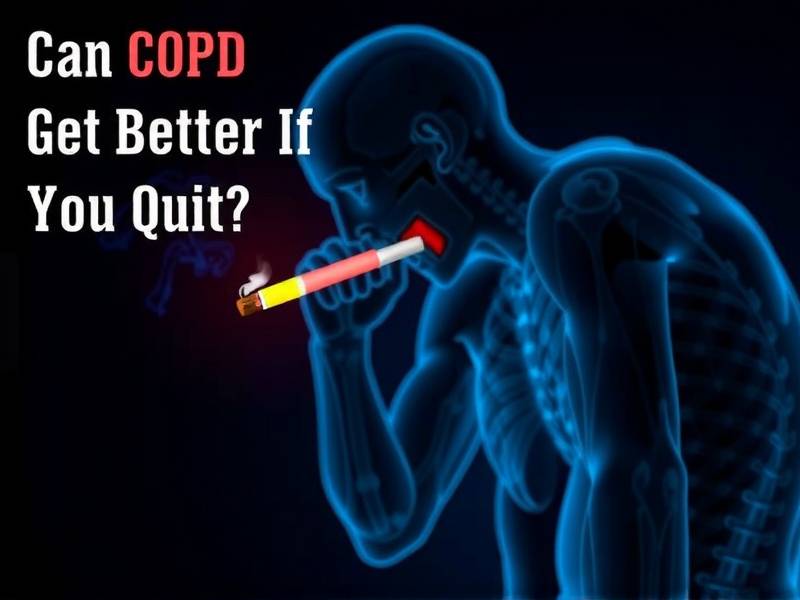
Absolutely! Research has shown that quitting smoking can lead to significant improvements in COPD symptoms. Here's how:
1. Reduced Inflammation
Quitting smoking reduces inflammation in the airways, which can lead to fewer flare-ups and less severe symptoms.
2. Improved Lung Function
Within a few weeks of quitting, many people experience an improvement in their lung function, as the lungs begin to heal from years of exposure to harmful substances.
3. Enhanced Quality of Life
Improved lung function means better quality of life for those with COPD. You'll likely find it easier to perform daily activities like walking or climbing stairs.
The Journey to Quitting Smoking
Quitting smoking isn't easy, but it's definitely worth it for those with COPD. Here are some tips to help you on your journey:
Set Clear Goals
Decide when you want to quit and set a specific quit date. Make sure it's realistic and achievable.
Seek Support
Join a support group or find a friend who also wants to quit smoking. Accountability can make a big difference.
Consider Medications
Talk to your doctor about medications that can help you quit smoking, such as nicotine replacement therapy or prescription drugs.
Manage Triggers
Identify situations that trigger your urge to smoke and plan how you'll cope with them without turning back to tobacco.
Conclusion
While there's no cure for COPD, quitting smoking is one of the most powerful steps you can take towards managing your condition and improving your quality of life. It may not happen overnight, but with determination and support, it's possible to make a significant difference in your health. Remember, every day without smoking is a step towards better breathing and a healthier life!