
Which is harder to quit: smoking or cocaine?
Navigating the Challenge: Smoking vs Cocaine Addiction
Introduction: The debate over which is harder to quit, smoking or cocaine, has long intrigued both researchers and individuals struggling with addiction. While both substances have severe health consequences, the nature of their addiction and withdrawal symptoms can vary significantly. This article delves into the complexities of smoking and cocaine addiction to help understand why one might be perceived as more challenging to quit than the other.
Understanding Smoking Addiction
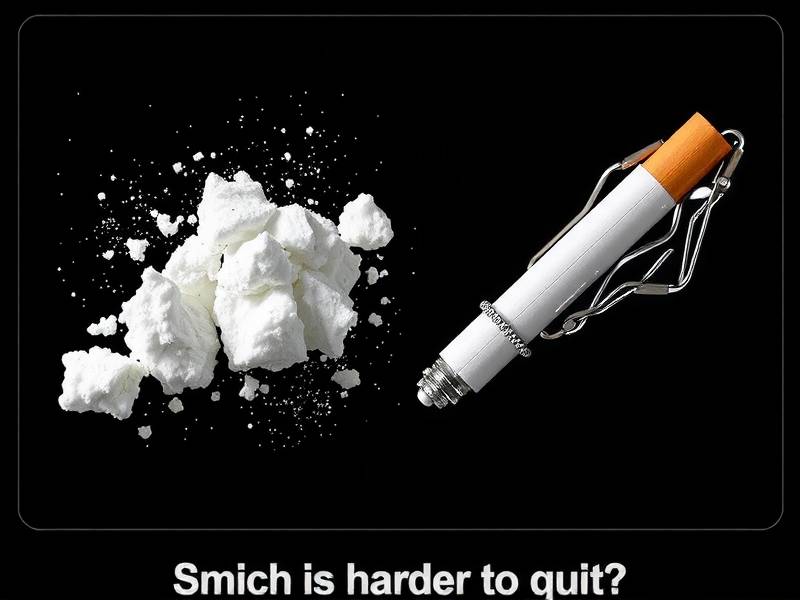
Smoking is a widespread habit that affects millions of people globally. It's an addiction primarily rooted in nicotine, a highly addictive substance found in tobacco products.
- Physical Dependence: Nicotine is rapidly absorbed into the bloodstream, leading to immediate physical dependence. This dependence can make quitting smoking difficult as the body craves nicotine to maintain normal functioning.
- Withdrawal Symptoms: Common withdrawal symptoms include irritability, anxiety, headaches, and cravings for nicotine. These symptoms can be severe enough to drive individuals back to smoking.
The Complexity of Cocaine Addiction

Cocaine is a powerful stimulant that affects the brain's reward system differently than nicotine.
- Psychological Dependency: Cocaine produces an intense sense of pleasure and euphoria. This psychological dependence can make quitting cocaine particularly challenging because individuals may continue using it solely for the sake of feeling "normal."
- Withdrawal Symptoms: Withdrawal from cocaine can include depression, fatigue, insomnia, and intense cravings for the drug. These symptoms are often more emotionally taxing than those associated with smoking withdrawal.
Comparing Quitting Challenges
When comparing quitting smoking versus quitting cocaine, several factors come into play:
- Duration of Use: Long-term smokers may have a stronger physical dependence on nicotine than those who have been using cocaine for a shorter period.
- Cognitive Function: Cocaine withdrawal may affect cognitive function more significantly than nicotine withdrawal due to its impact on neurotransmitters involved in pleasure and reward.
- Social Support: The social environment surrounding drug use can influence an individual's ability to quit. Those who are surrounded by supportive friends and family may find it easier to quit either substance.
Conclusion:
Determining which is harder to quit—smoking or cocaine—ultimately depends on individual circumstances. While both substances present significant challenges when it comes to quitting, understanding their unique effects on the body and mind can help individuals develop tailored strategies for overcoming addiction. Whether through support groups, therapy, or medication-assisted treatment programs, seeking professional help can make all the difference in navigating this difficult journey towards recovery.