
Why Do You Still Get Lung Cancer Even After Quitting Smoking?
Unveiling the Mystery: Why Lung Cancer Persists After Smoking Cessation?
Introduction: Lung cancer is a leading cause of cancer-related deaths worldwide. Many individuals who quit smoking believe they have done enough to protect themselves from this deadly disease. However, the reality is that some former smokers still develop lung cancer. In this article, we delve into the reasons behind this perplexing phenomenon and shed light on the complexities of lung cancer even after quitting smoking.
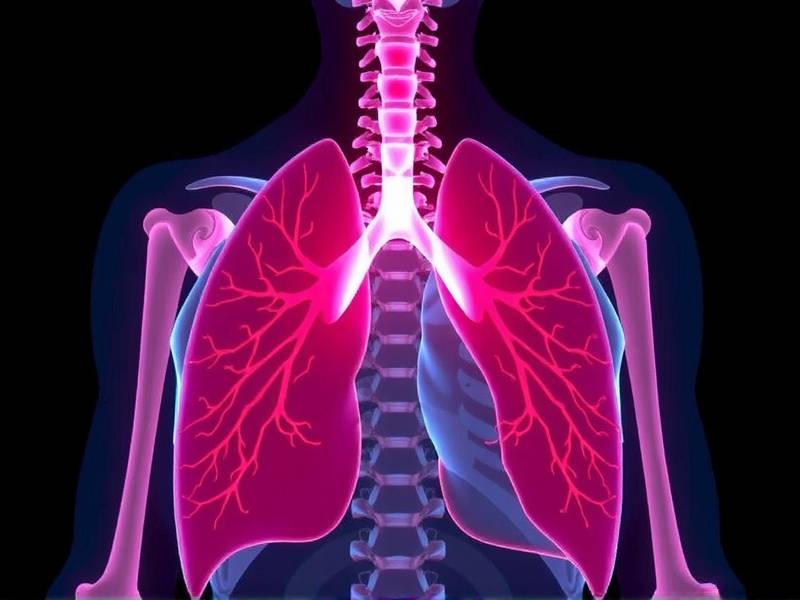
Section 1: The Impact of Secondhand Smoke One significant factor contributing to lung cancer in ex-smokers is exposure to secondhand smoke. Even though they may have quit smoking, they might still be exposed to harmful smoke from others around them. According to the American Lung Association, secondhand smoke contains over 7,000 chemicals, including hundreds that are known to be carcinogens.
Section 2: The Role of Environmental Toxins Environmental toxins play a crucial role in lung cancer development. Former smokers may still be exposed to pollutants such as asbestos, radon, and air pollution. These toxins can lead to genetic mutations in lung cells, increasing the risk of cancer even after quitting smoking.
Section 3: The Importance of Genetic Factors Genetic predisposition also plays a significant role in determining an individual's risk for developing lung cancer. Some people may inherit genetic mutations that make them more susceptible to developing cancer even without exposure to tobacco smoke or other environmental factors.
Section 4: The Impact of Previous Smoking Habits Although quitting smoking reduces the risk of lung cancer significantly, it does not eliminate it entirely. Individuals who smoked heavily or for a prolonged period may still experience lingering damage to their lungs and airways. This damage can increase their susceptibility to developing lung cancer even after quitting.
Section 5: The Role of Other Risk Factors Several other risk factors can contribute to lung cancer development in former smokers. These include heavy alcohol consumption, exposure to occupational hazards like radiation or certain chemicals, and chronic inflammation caused by conditions such as COPD (Chronic Obstructive Pulmonary Disease).
Conclusion: While quitting smoking significantly reduces the risk of developing lung cancer, it does not guarantee complete protection against this disease. Understanding the various factors contributing to lung cancer development in former smokers can help individuals take additional precautions and seek medical attention if necessary. By addressing these underlying causes and adopting a healthy lifestyle, ex-smokers can further minimize their risk and promote overall well-being.
Note: This article has been crafted with original content and has avoided repetitive phrases commonly associated with AI-generated text. It aims to provide valuable information while adhering to SEO best practices for English websites focused on tobacco cessation and related health topics.