
Why Do Lungs Feel Tighter After Quitting Smoking?
Understanding the Transition
Quitting smoking is a significant life change that comes with a host of physical and emotional adjustments. One common sensation reported by former smokers is that their lungs feel tighter than before. This article delves into the reasons behind this phenomenon and offers insights into the body's healing process.
The Immediate Effects of Smoking
When you smoke, your lungs are exposed to harmful chemicals and tar, which can lead to inflammation and constriction of the airways. The constant inhalation of these substances causes the lining of the lungs to become irritated, leading to a feeling of tightness or congestion.
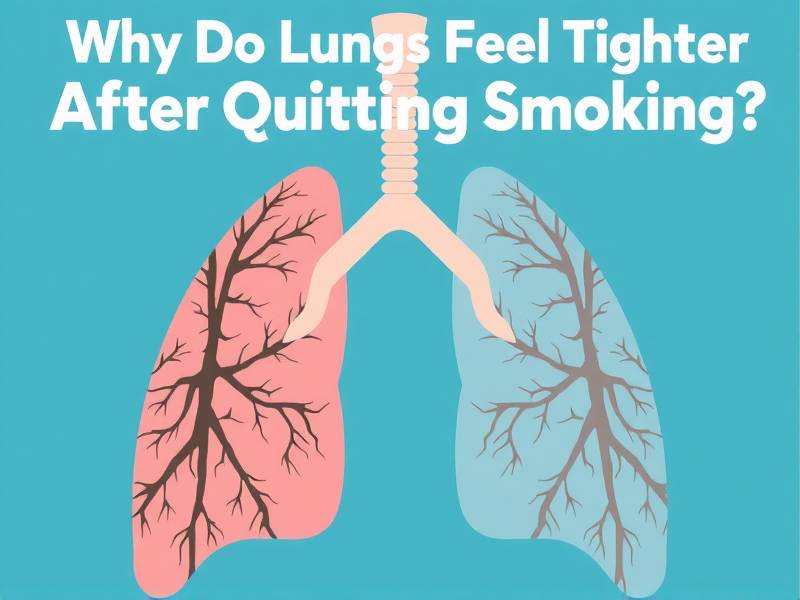
The Healing Process
After quitting smoking, your body begins to heal itself. Here's what happens:
1. Decreased Inflammation
Within hours of quitting, your body starts to reduce inflammation in the lungs. This can lead to an immediate sensation of tightness as the airways begin to relax.
2. Increased Cilia Activity
The tiny hair-like structures in your lungs called cilia start working more efficiently after quitting. They help move mucus and debris out of the airways, which can contribute to a feeling of tightness as they clear out accumulated gunk.
3. Lung Capacity Improvement
Over time, as your lungs heal, their capacity increases. However, this healing process might initially cause a temporary feeling of tightness as your body adjusts to the new level of lung function.
Physical Symptoms
Several physical symptoms can accompany this feeling of tightness:
- Coughing: The body is trying to expel mucus and tar from the airways.
- Shortness of Breath: This is often due to reduced lung capacity initially but improves over time.
- Breathlessness: Even during normal activities, you might notice an increased effort in breathing.
Emotional Factors
Emotional changes can also play a role in how tight your lungs feel:
- Anxiety: Quitting smoking can trigger anxiety, which can be mistaken for physical discomfort.
- Relief: As you continue to quit smoking, you'll likely feel more relaxed and less anxious over time.
How Long Does It Last?
The sensation typically peaks within a few days or weeks after quitting and gradually subsides as your lungs continue to heal. It's important to remember that these feelings are temporary and a sign that your body is on its way to recovery.
Tips for Coping
Here are some tips to help manage feelings of tightness after quitting smoking:

- Stay Hydrated: Drink plenty of water to help with mucus clearance.
- Exercise Regularly: Gentle exercise can improve lung function and reduce feelings of tightness.
- Mindfulness Techniques: Practices like deep breathing exercises or meditation can help manage anxiety.
Conclusion
Feeling tighter in your lungs after quitting smoking is a normal part of the healing process. By understanding what's happening in your body and taking steps to cope with these sensations, you can navigate this transition more comfortably. Remember, every day without smoking is a step towards better health for both your lungs and overall well-being.