
How Long After Quitting Smoking Until I Stop Coughing?
How Long After Quitting Smoking Until I Stop Coughing?
Introduction: Quitting smoking is a significant step towards improving your health. However, one common challenge many smokers face is the persistent cough that lingers even after they have quit. If you're wondering how long it will take for your cough to subside, you've come to the right place. In this article, we will explore the factors influencing the duration of cough after quitting smoking and provide insights into managing this discomfort effectively.
-
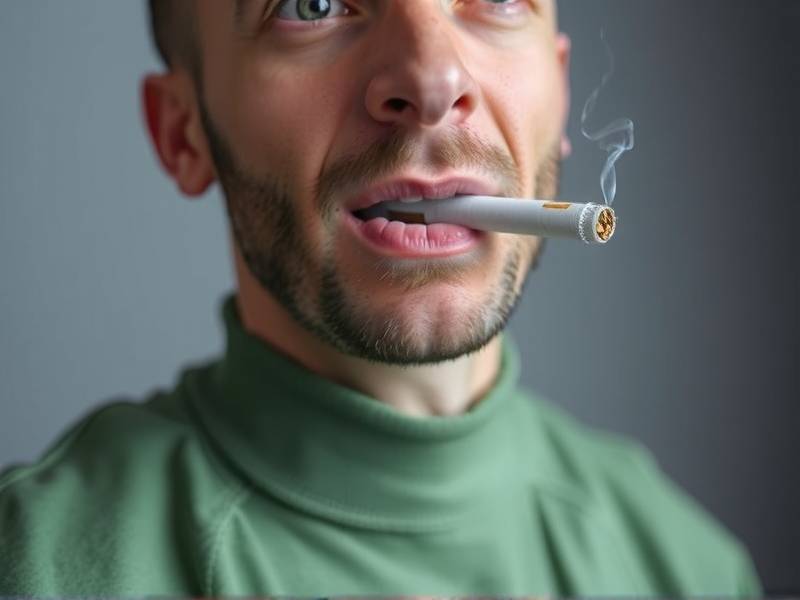
Understanding the Cough After Quitting Smoking When you quit smoking, your body goes through a process of healing and readjustment. One of the most common symptoms during this phase is a persistent cough. This cough is often referred to as "smoker's cough" or "quit-smoking cough." It occurs due to the irritation caused by tar and other harmful substances present in cigarettes.
-
Factors Influencing Cough Duration The duration of your cough after quitting smoking can vary from person to person. Several factors can influence how long it takes for your cough to subside:
a) Duration of Smoking: The longer you have smoked, the longer it may take for your body to heal and for the cough to diminish.
b) Number of Cigarettes Per Day: Smokers who smoked more cigarettes daily may experience a more prolonged and intense cough after quitting.
c) Health Conditions: Individuals with pre-existing respiratory conditions like asthma or chronic bronchitis may experience a longer-lasting cough.
- Timeline for Cough Subsidence While there is no specific timeline that applies to everyone, here are some general guidelines:
a) Weeks 1-2: You may experience an increase in mucus production and occasional coughing during this period as your body starts to clear out tar and other toxins.

b) Weeks 3-4: The intensity of your cough may begin to decrease as your body continues its healing process.
c) Weeks 5-8: Most individuals find their cough subsiding significantly during this period.
d) Weeks 9-12: For many people, their咳嗽 should be significantly reduced or completely gone by this time.
- Managing Your Cough To alleviate discomfort during this transition period, consider the following tips:
a) Stay Hydrated: Drink plenty of fluids to help thin mucus and ease respiratory symptoms.
b) Use Saline Nasal Sprays: These sprays can help keep nasal passages moist and reduce irritation.
c. Practice Deep Breathing Exercises: Techniques such as pursed-lip breathing can improve lung function and reduce coughing episodes.
d. Consult Your Healthcare Provider: If your咳嗽 persists beyond 12 weeks or becomes severe, it's essential to consult with a healthcare professional for further evaluation and guidance.
Conclusion: Quitting smoking is a commendable decision that brings numerous health benefits. While it's natural to experience a persistent cough after quitting, understanding its causes and duration can help you manage this discomfort effectively. Remember that patience is key, as most individuals find their咳嗽 subsiding within a few months after quitting smoking. Stay committed to your goal, seek support if needed, and celebrate each milestone along the way!