
Do Your Lungs Really Clean Themselves After You Quit Smoking? The Science Behind the Claim
Do Your Lungs Really Clean Themselves After You Quit Smoking? The Science Behind the Claim
Introduction: Quitting smoking is a significant step towards better health, and many ex-smokers often hear about the idea that their lungs clean themselves after quitting. But is this claim true? Let's delve into the science behind this belief and explore whether your lungs can truly regenerate.
-
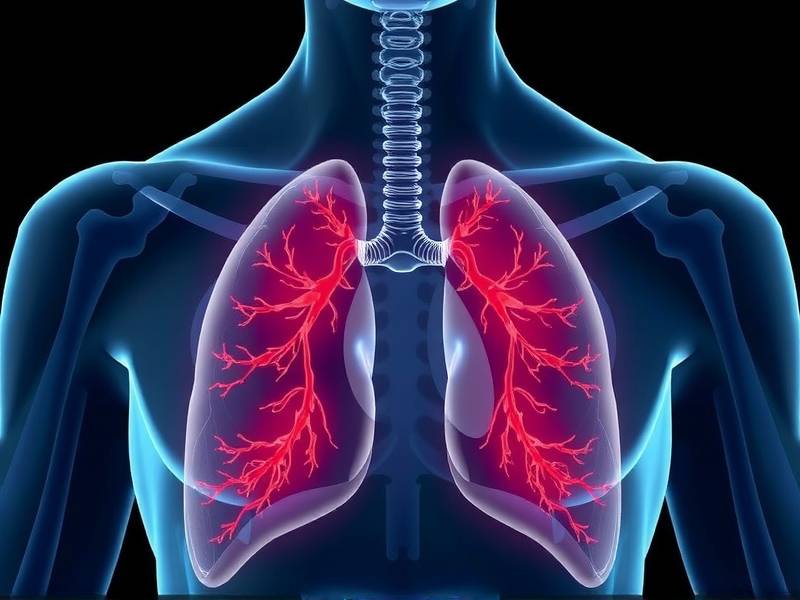
The Damage Smoking Does to Your Lungs: Smoking causes severe damage to the lungs, leading to various respiratory diseases like chronic bronchitis, emphysema, and lung cancer. When you smoke, harmful chemicals enter your lungs and cause inflammation and scarring. This damage can be irreversible, but quitting smoking can slow down the progression of these diseases.
-
The Healing Process After Quitting Smoking: When you quit smoking, your body starts to repair itself immediately. Here's what happens:
a) Reduction in Inflammation: Within 48 hours of quitting smoking, your body starts to reduce inflammation in your lungs. This decrease in inflammation can lead to improved breathing and a decrease in coughing.
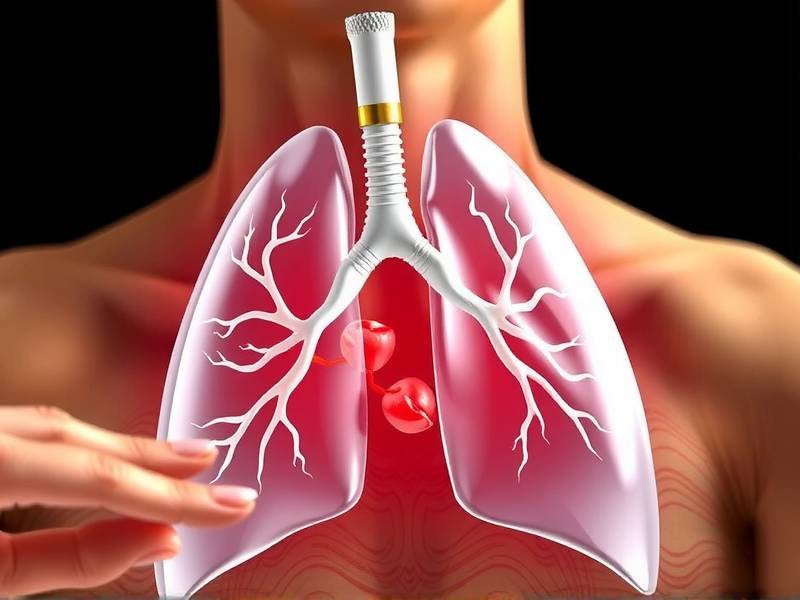
b) Improved Oxygen Supply: After 2-12 weeks of quitting smoking, your body's ability to transport oxygen to your tissues improves significantly. This helps in reducing shortness of breath and enhancing overall physical fitness.
c) Lung Function Improvement: Within 1-9 months of quitting smoking, your lung function begins to improve as the cilia (tiny hair-like structures in your airways) start regenerating. Cilia help remove mucus and trapped particles from your lungs.
- The Clean-up Process: Now comes the question: Do lungs really clean themselves after quitting smoking? The answer is yes, but it's not an automatic process.
a) Coughing Up Tar: When you quit smoking, tar accumulated in your lungs starts to break down. This leads to a coughing reflex that helps remove tar from your airways. It might be uncomfortable at first but is a sign that your body is working towards cleaning itself.
b) White Blood Cells' Role: White blood cells play a crucial role in this cleaning process by identifying and removing damaged cells or foreign particles from the lungs.
- How Long Does It Take for Lungs to Heal? The time it takes for lungs to heal after quitting smoking varies from person to person. Some may experience noticeable improvements within months, while others may take years or even decades for complete healing.
Conclusion: While it might seem like a slow process, the science behind lung regeneration after quitting smoking is real. By giving up cigarettes, you're giving your body a chance to repair itself and improve its function over time. So if you're considering quitting smoking, know that there's hope for better lung health on the horizon!