
How Quitting Smoking Helps Veterans Sleep: A Guide for Better Rest and Well-being
Introduction: The Importance of Sleep for Veterans
Sleep is a cornerstone of health and well-being, especially for veterans who have often faced significant challenges in their lives. One common issue many veterans encounter is difficulty sleeping, often compounded by the stress of military service and post-service life. Smoking, a habit prevalent among veterans, can exacerbate sleep problems. However, quitting smoking can be a game-changer for better rest and overall health.
The Impact of Smoking on Sleep Quality
Insomnia and Sleep Disturbances
Smoking is a known contributor to insomnia and other sleep disturbances. The chemicals in cigarettes can disrupt the body's natural sleep-wake cycle. Nicotine, in particular, is a stimulant that can keep the mind active when it should be winding down.
Poor Sleep Hygiene
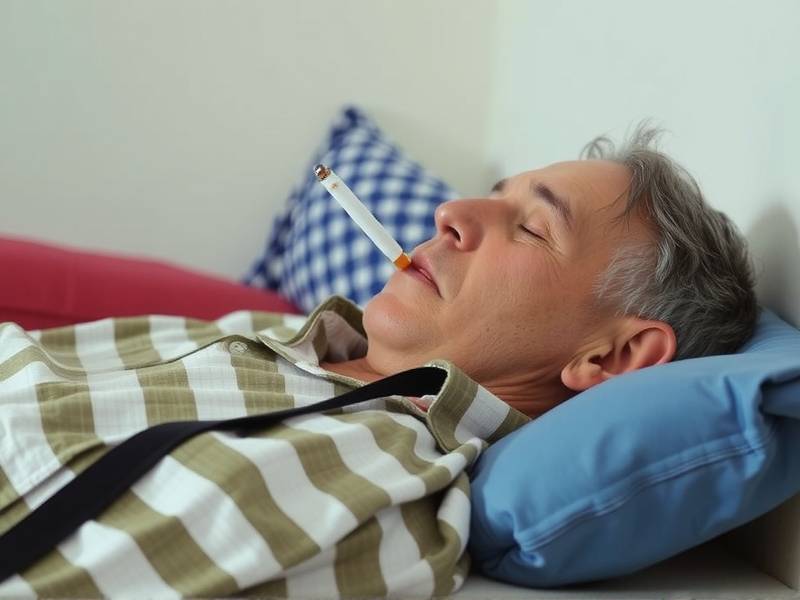
Veterans who smoke may also struggle with poor sleep hygiene. This includes habits such as smoking in bed or using tobacco products to relax before bedtime, which can interfere with the ability to fall asleep or stay asleep.
The Benefits of Quitting Smoking for Better Sleep
Improved Sleep Patterns
Quitting smoking has been shown to significantly improve sleep patterns. As nicotine levels decrease in the body after quitting, many individuals experience fewer disruptions throughout the night.
Enhanced Relaxation Techniques
Former smokers often find that they can use relaxation techniques more effectively without nicotine's stimulating effects. This can lead to more restful nights.
Strategies for Successful Quitting
Seek Support
Veterans looking to quit smoking should consider seeking support from their healthcare provider or joining support groups specifically designed for veterans. These resources can provide valuable guidance and encouragement.
Alternative Relaxation Techniques
Finding alternative ways to relax before bedtime is crucial. Activities like meditation, deep breathing exercises, or gentle yoga can help ease into a peaceful night's sleep.
Gradual Reduction
Some veterans find it helpful to gradually reduce their smoking over time rather than going cold turkey. This method allows the body to adjust more comfortably to lower nicotine levels.
Long-Term Health Benefits Beyond Sleep Improvement
While improved sleep quality is a significant benefit of quitting smoking, there are many other long-term health advantages:
- Reduced Risk of Chronic Diseases: Smoking cessation lowers the risk of heart disease, stroke, and respiratory diseases.
- Enhanced Mental Health: Many veterans report improvements in mental health after quitting.
- Increased Energy Levels: Without the constant need for nicotine, former smokers often experience increased energy levels during the day.
Conclusion: A Path to Enhanced Well-being
Quitting smoking is not just about breaking a habit; it's about opening doors to better health and well-being. For veterans struggling with sleep issues, making this change can lead to improved restfulness and quality of life. By adopting healthy strategies and seeking support when needed, veterans can embark on a journey toward better rest and overall wellness.