
How Long Do Lungs Take to Clear After Quitting Smoking?
The Journey to Clearer Lungs: How Long Does it Take to Breathe Easy After Quitting Smoking?
Introduction: The decision to quit smoking is a transformative one, not only for your health but also for the quality of your life. One common question among smokers who are contemplating quitting is: how long does it take for the lungs to clear after stopping smoking? This article delves into this topic, offering insights into the recovery process and helping you understand what to expect on your journey towards healthier lungs.
Understanding Lung Recovery
The Impact of Smoking on Lungs
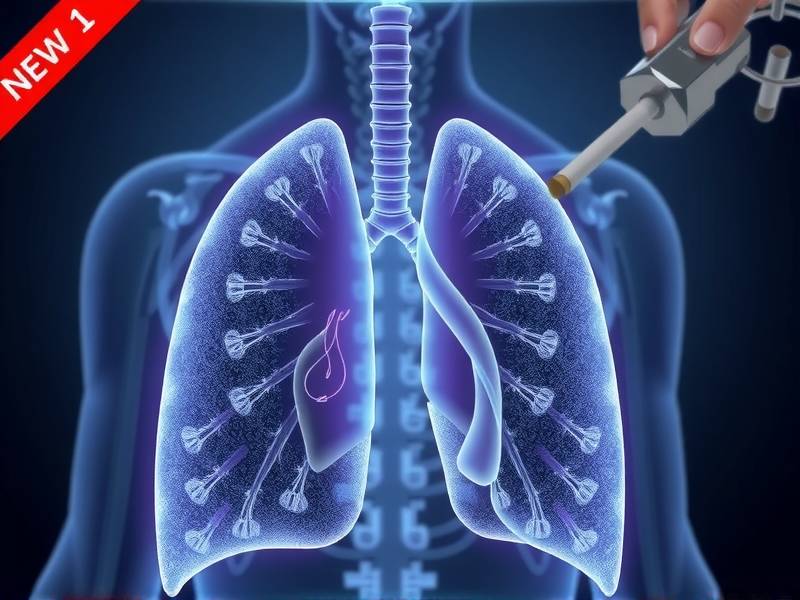
Smoking introduces harmful chemicals into the lungs, leading to inflammation, scarring, and a reduced ability to exchange oxygen. These changes can persist even after quitting.
The Recovery Timeline
Immediate Changes
Within hours of quitting, carbon monoxide levels in the blood begin to drop, and lung function starts to improve. Within 48 hours, nerve endings start regenerating.
Short-Term Improvements
After about two weeks, you may notice a decrease in coughing and shortness of breath. Your senses may also become more acute as lung function continues to improve.
Medium-Term Recovery
Within three months, your lungs will produce more mucus than before, which helps clear out debris accumulated during smoking. After six months, you might feel less short of breath during exercise.
Long-Term Outlook
After one year without smoking, the risk of heart disease decreases significantly. In five years or less, the risk of stroke is cut in half compared to that of a current smoker.
Factors Influencing Recovery
Individual Differences
Everyone's body reacts differently to quitting smoking. Genetic factors play a role in how quickly your body can repair itself after exposure to tobacco smoke.
Degree of Smoking
The amount smoked and duration can influence how long it takes for the lungs to recover fully. Heavy smokers might experience longer recovery times than light smokers.
Overall Health Condition
Your general health status at the time of quitting can impact lung recovery. Individuals with pre-existing respiratory conditions may take longer to see improvements.
Tips for Faster Lung Recovery
- Stay Hydrated: Drink plenty of water to help flush out toxins.
- Exercise Regularly: Physical activity promotes better lung function.
- Avoid Secondhand Smoke: Continue protecting yourself from exposure.
- Seek Support: Join support groups or consider professional help if needed.
Conclusion: Quitting smoking is a gradual process with its own unique timeline for lung recovery. While it varies from person to person, understanding this journey can provide hope and motivation for those looking forward to breathing easier and healthier lives after saying goodbye to cigarettes. Remember that every step towards quitting is a step towards better health – including clearer lungs!