
Can Quitting Smoking Really Cause Bowel Problems? The Truth You Need to Know
Can Quitting Smoking Really Cause Bowel Problems? The Truth You Need to Know
Introduction: Quitting smoking is a significant step towards improving one's health, but it can come with unexpected challenges. One common concern among smokers contemplating quitting is whether or not giving up cigarettes can lead to bowel problems. This article delves into the truth behind this concern and provides valuable insights for those looking to kick the habit.
Section 1: Understanding Bowel Problems Bowel problems refer to a range of conditions that affect the digestive system, including constipation, diarrhea, bloating, and abdominal pain. These issues can be caused by various factors, such as diet, lifestyle, and medication.
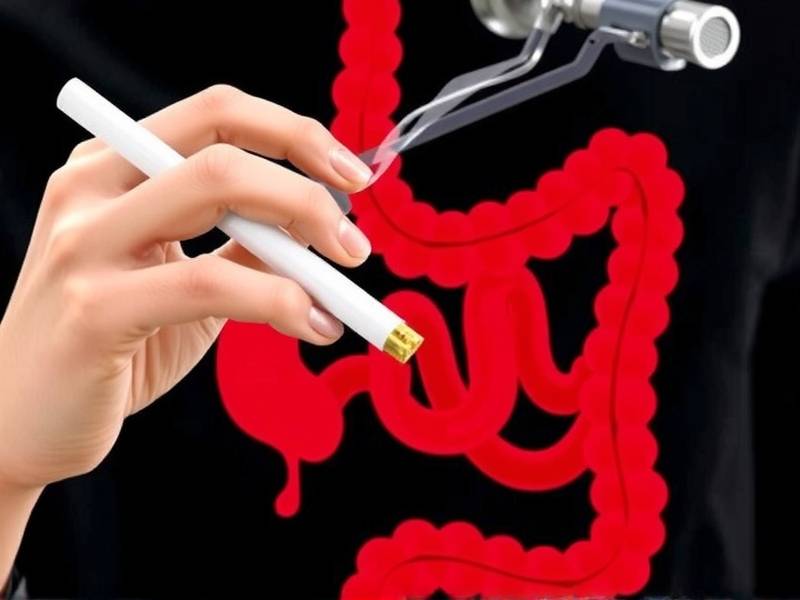
Section 2: The Link Between Smoking and Bowel Problems Research has shown that smoking can have a negative impact on the digestive system. Nicotine, a key component of cigarettes, affects the motility of the intestines and can lead to bowel problems. Additionally, smoking increases the risk of developing certain gastrointestinal disorders, such as Crohn's disease and ulcerative colitis.
Section 3: Quitting Smoking and Bowel Problems When you quit smoking, your body begins to repair itself from the damage caused by nicotine. This process can sometimes trigger bowel problems in individuals who were previously unaffected by smoking. However, it is essential to understand that these issues are usually temporary and not indicative of long-term bowel dysfunction.
Section 4: Managing Bowel Problems After Quitting Smoking If you experience bowel problems after quitting smoking, here are some tips to help alleviate your symptoms:

- Increase your fiber intake: Consuming more fiber-rich foods like fruits, vegetables, whole grains, and legumes can help regulate bowel movements.
- Stay hydrated: Drinking plenty of water is crucial for maintaining healthy digestion.
- Exercise regularly: Regular physical activity can improve bowel function.
- Consult with a healthcare professional: If you experience persistent or severe bowel problems after quitting smoking, it is important to seek medical advice.
Section 5: Conclusion While quitting smoking may initially cause some individuals to experience bowel problems due to nicotine withdrawal effects on the digestive system, these issues are typically temporary. By adopting healthy lifestyle changes and seeking medical guidance if needed, most people can overcome these challenges and continue their journey towards better health.
Remember that quitting smoking has numerous long-term health benefits that far outweigh any short-term discomforts you may experience during the process. Take control of your health today by making the decision to quit smoking for good!