
How Long Does It Take for Your Lungs to Recover After Quitting Smoking?
The Journey to Lung Recovery: How Long After Quitting Smoking?
Introduction: Quitting smoking is a significant step towards improving your health, and one of the most common questions among smokers is, "How long does it take for your lungs to recover after quitting smoking?" The answer to this question can vary from person to person, but understanding the process can give you hope and motivation. In this article, we will explore the timeline of lung recovery after quitting smoking and provide you with valuable insights.
Section 1: Understanding Lung Damage from Smoking Before we delve into the recovery process, it's important to understand the damage caused by smoking. Smoking introduces harmful chemicals into your lungs, leading to inflammation, reduced oxygen supply, and impaired lung function. Over time, these effects can lead to chronic respiratory diseases such as chronic bronchitis and emphysema.
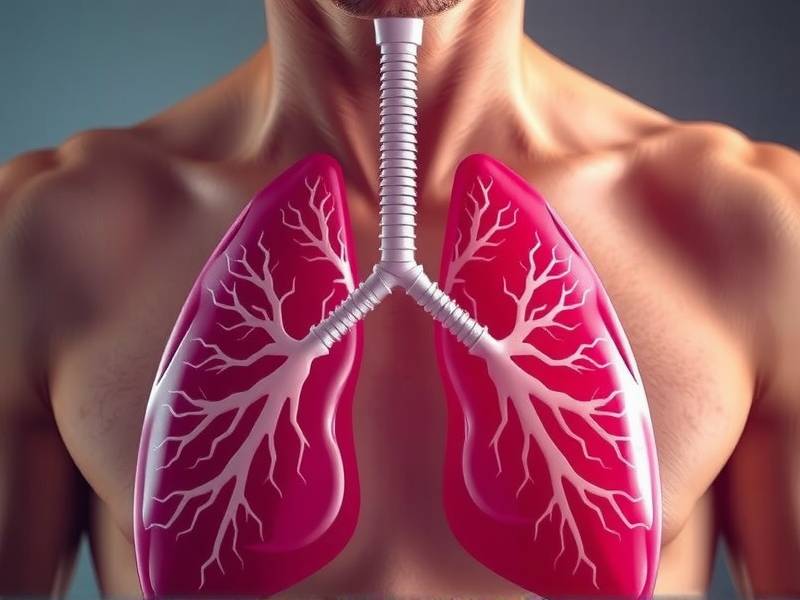
Section 2: Initial Recovery Within Days Surprisingly, some improvements in lung function can be noticed within days after quitting smoking. According to the American Lung Association, within 48 hours of quitting, carbon monoxide levels in your blood decrease significantly. This allows your body to use oxygen more efficiently.
Section 3: Short-Term Improvements Within Weeks Within a few weeks of quitting smoking, you may start experiencing noticeable improvements in lung function. The American Cancer Society states that within two weeks to three months after quitting, your risk of heart disease decreases significantly due to improved blood circulation. Your lung capacity may also increase by up to 10%.
Section 4: Long-Term Improvements Within Years While immediate improvements are encouraging, it's important to note that complete recovery may take years. The National Institute on Drug Abuse (NIDA) explains that it takes approximately five years for the risk of stroke due to narrowed arteries caused by smoking to drop to that of a nonsmoker.
Section 5: Factors Affecting Lung Recovery Several factors can influence how quickly your lungs recover after quitting smoking:
- Age: Younger individuals tend to recover faster than older adults.
- Duration of Smoking: Longer-term smokers may experience slower recovery compared to those who smoked for a shorter period.
- Overall Health: Smokers with pre-existing respiratory conditions may face more challenges during their recovery journey.
- Environmental Factors: Exposure to secondhand smoke or air pollution can delay lung recovery.
Conclusion: The journey towards lung recovery after quitting smoking is unique for each individual. While immediate improvements are encouraging, it's essential to remain patient and persistent throughout the process. By understanding the timeline of lung recovery and considering factors that may affect it, you can better navigate this critical phase of your health transformation. Remember that every puff counts—quit today and give your lungs a chance at healing!