
Does Quitting Smoking Reverse Lung Damage? The Science Behind the Question
Does Quitting Smoking Reverse Lung Damage? The Science Behind the Question
Introduction: Smoking has been widely recognized as a leading cause of various health issues, including lung diseases. As the debate around smoking and its effects continues, one burning question remains: Can quitting smoking reverse lung damage? This article delves into the science behind this question and provides insights into the potential benefits of quitting.
Section 1: Understanding Lung Damage Lung damage caused by smoking is primarily due to the harmful chemicals present in tobacco smoke. These chemicals can lead to inflammation, scarring, and narrowing of the airways, which ultimately affects lung function. Chronic exposure to these toxins can result in serious conditions like chronic obstructive pulmonary disease (COPD) and lung cancer.
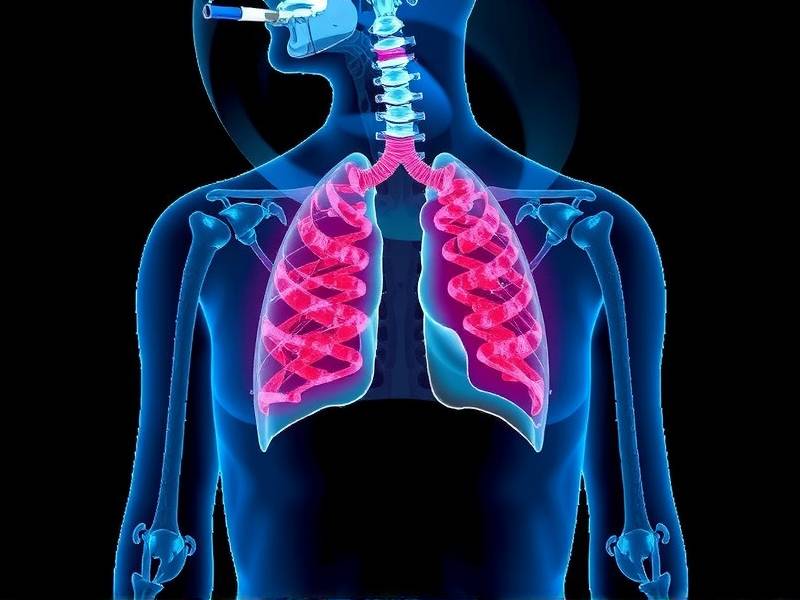
Section 2: The Healing Process When an individual decides to quit smoking, their body begins a healing process that aims to reverse some of the damage caused by tobacco smoke. Here's what happens:
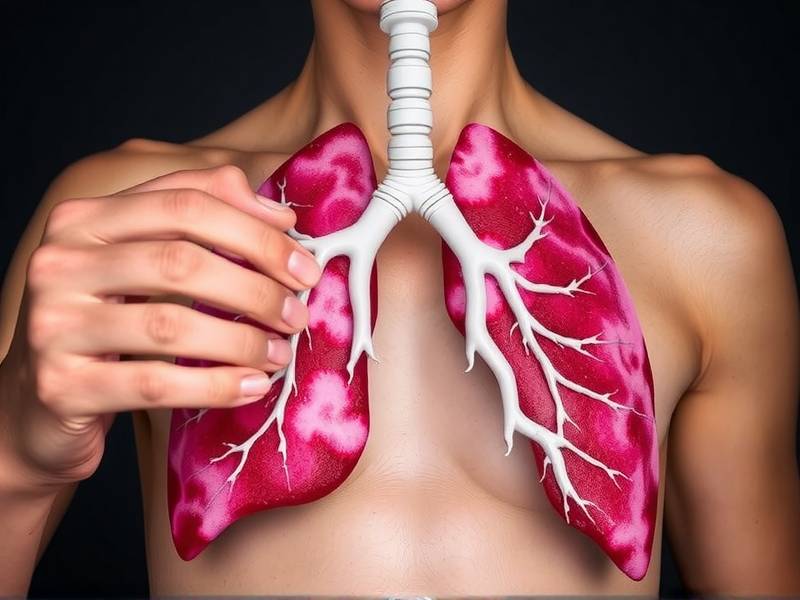
Subsection 1: Immediate Benefits Within minutes after quitting, blood pressure and heart rate start to drop. Carbon monoxide levels in the blood decrease, allowing more oxygen to reach vital organs.
Subsection 2: Short-Term Improvements Within a few weeks of quitting, coughing and shortness of breath may decrease as inflammation in the lungs starts to subside. Cilia (tiny hair-like structures that help clear mucus from the lungs) begin to regain their normal function.
Subsection 3: Long-Term Healing After several years of not smoking, lung function may continue to improve as damaged cells are replaced with healthier ones. The risk of developing lung cancer decreases significantly with each year of abstinence from smoking.
Section 3: The Role of Quitting Smoking in Reversing Lung Damage Research indicates that quitting smoking can indeed reverse some lung damage. However, it's important to note that not all damage can be undone completely. Factors such as age, duration of smoking, and overall health status play a role in determining how much damage can be reversed.
Section 4: Other Health Benefits Quitting smoking not only reverses lung damage but also offers numerous other health benefits:
Subsection 1: Heart Health Smokers have a higher risk of heart disease compared to non-smokers. Quitting smoking improves heart health by reducing cholesterol levels and decreasing blood pressure.
Subsection 2: Improved Immune System Quitting smoking strengthens the immune system, making it easier for the body to fight off infections and diseases.
Conclusion: While quitting smoking cannot entirely reverse all lung damage caused by years of tobacco use, it offers significant benefits for those looking to improve their health. The science behind this question highlights the importance of taking control over one's lifestyle choices and seeking support when needed. If you're considering quitting smoking or helping someone you know quit, consult with healthcare professionals for personalized advice and resources. Remember that every step towards a smoke-free life is a step towards better health!