
Do Lungs Heal If You Quit Smoking? The Truth About Lung Recovery After Quitting Tobacco
Do Lungs Heal If You Quit Smoking? The Truth About Lung Recovery After Quitting Tobacco
Introduction: The decision to quit smoking is a significant step towards a healthier lifestyle. Many smokers are curious about the potential for lung healing after quitting tobacco. This article delves into the truth behind lung recovery and provides valuable insights for those looking to kick the habit.
I. Understanding Lung Damage from Smoking Smoking causes significant damage to the lungs, leading to conditions such as chronic obstructive pulmonary disease (COPD), emphysema, and bronchitis. The harmful chemicals in tobacco smoke irritate and inflame the airways, reducing lung function over time.
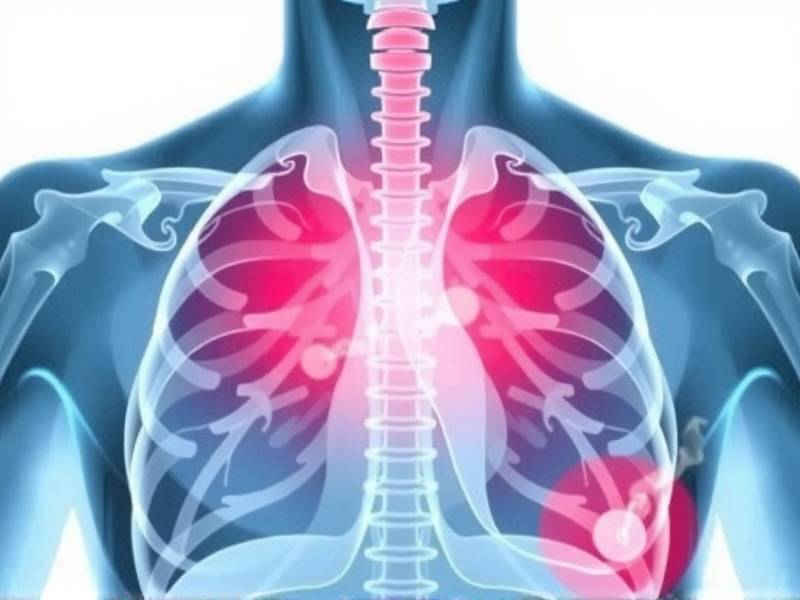
II. The Healing Process While it's important to note that complete healing may not occur, quitting smoking can significantly improve lung health. Here's what happens after you quit:
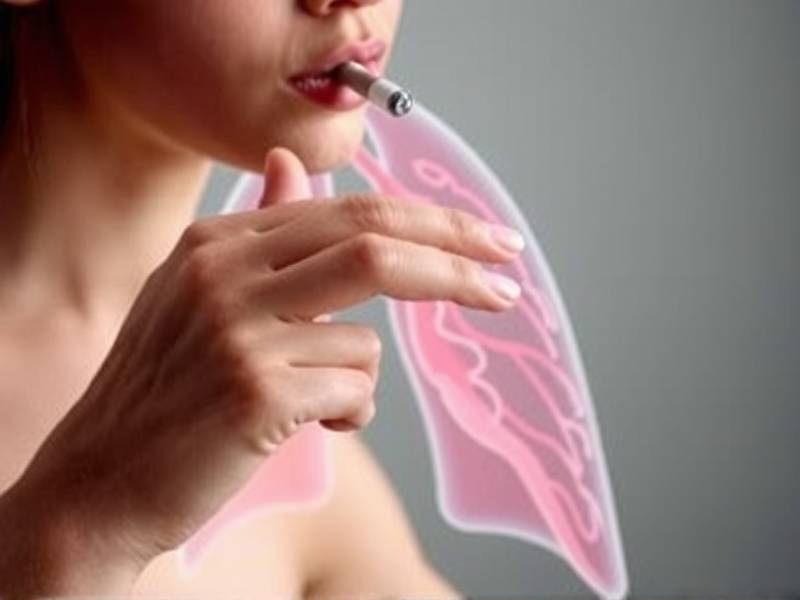
A. Immediate Benefits Within 48 hours of quitting, your body starts to repair some of the damage caused by smoking. Your sense of smell and taste begin to improve, and your blood circulation improves as well.
B. Short-term Recovery In the first few months after quitting, your lungs start to clear out mucus and debris accumulated from smoking. This can lead to an increase in coughing as your body tries to expel the toxins.
C. Long-term Recovery Over time, your lungs continue to heal as you maintain a smoke-free lifestyle. The risk of developing lung cancer decreases significantly within five years of quitting, and your overall lung function improves.
III. Factors Influencing Lung Recovery Several factors can influence how quickly your lungs heal after quitting smoking:
A. Age: Younger individuals tend to recover faster than older adults. B. Duration of Smoking: Longer smoking durations may result in more extensive damage. C. Genetic Factors: Some individuals may have a higher risk of developing certain lung diseases. D. Overall Health: Smokers with existing health conditions may experience slower recovery.
IV. Importance of Support Systems Quitting smoking can be challenging, but having a strong support system can make it easier. Consider seeking help from friends, family, or professionals who specialize in smoking cessation programs.
V. Additional Tips for Lung Recovery Here are some additional tips to aid in your lung recovery journey:
A. Stay hydrated: Drinking plenty of water helps flush out toxins from your body. B. Exercise regularly: Physical activity improves blood circulation and strengthens respiratory muscles. C. Avoid secondhand smoke: Exposure to secondhand smoke can hinder your recovery process.
Conclusion: Quitting smoking is a crucial step towards improving lung health and overall well-being. While complete healing may not be possible for everyone, making this life-changing decision can significantly enhance your chances of experiencing improved lung function and reduced risk of respiratory diseases.
Remember that each individual's journey is unique, so be patient with yourself throughout the process. Seek support when needed and embrace healthy habits that promote lung recovery after quitting tobacco use.
Note: This article aims to provide general information on lung recovery after quitting smoking; it does not replace professional medical advice or treatment for specific conditions related to tobacco use or its effects on health.