
How to Clean Up Your Lungs After Quitting Smoking: Effective Methods for Better Health
How to Clean Up Your Lungs After Quitting Smoking: Effective Methods for Better Health
Introduction: Quitting smoking is a significant step towards improving your health, but the journey doesn't end there. The effects of smoking can linger in your lungs long after you've quit. In this article, we'll explore effective methods to help clean up your lungs and breathe easier.
Understanding the Impact of Smoking on Your Lungs
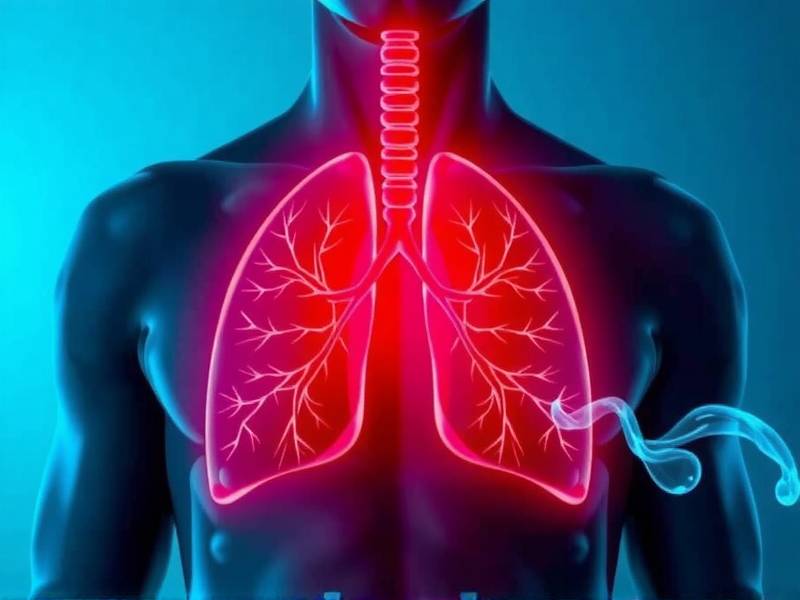
Smoking not only damages your lungs but also leads to various respiratory diseases. The harmful chemicals in cigarettes cause inflammation, scarring, and narrowing of the airways. This can lead to chronic bronchitis, emphysema, and even lung cancer.
1. Increase Oxygen Intake
One of the most effective ways to clean up your lungs is by increasing oxygen intake. Engage in regular physical activities like walking, jogging, or swimming to improve lung function. Deep breathing exercises can also help enhance oxygen flow throughout your body.
2. Stay Hydrated
Drinking plenty of water is crucial for lung health. Water helps thin mucus and makes it easier for your body to expel it from the lungs. Aim for at least eight glasses of water per day.
3. Avoid Exposure to Pollutants
Avoiding exposure to pollutants such as secondhand smoke, dust, and chemical fumes can help prevent further damage to your lungs. If you work in an environment with high pollution levels, consider wearing a mask or taking breaks outside.
4. Use a Humidifier
Using a humidifier at home can help keep the air moist and reduce irritation in your respiratory system. This is particularly beneficial during dry seasons or in areas with low humidity.
5. Adopt a Healthy Diet
A balanced diet rich in fruits, vegetables, and antioxidants can support lung health. Foods like garlic, onions, leafy greens, and berries contain compounds that may reduce inflammation and protect against respiratory infections.
6. Consider Supplements
Supplements such as vitamin C, vitamin E, selenium, and beta-carotene may help reduce oxidative stress and support lung health. Consult with a healthcare professional before starting any supplement regimen.
7. Practice Breathing Techniques
Pursed lip breathing and diaphragmatic breathing are effective techniques that can improve lung capacity and reduce shortness of breath.
Conclusion:
Cleaning up your lungs after quitting smoking is essential for long-term health benefits. By incorporating these effective methods into your daily routine, you can improve lung function and enjoy better overall well-being.
Remember that everyone's recovery journey is unique, so be patient with yourself as you work towards cleaner lungs and improved health.
For more information on quitting smoking and improving lung health, visit QuitNow.org.