
Will Quitting Smoking Really Help Me Breathe Better?
Will Quitting Smoking Really Help Me Breathe Better?
Introduction: Smoking is a widespread habit that affects millions of people worldwide. Many smokers are aware of the numerous health risks associated with smoking, including respiratory problems. One of the most common questions among smokers is whether quitting smoking can truly improve their breathing. In this article, we will explore the potential benefits of quitting smoking on respiratory health and provide insights to help you make an informed decision.
1. The Impact of Smoking on Breathing
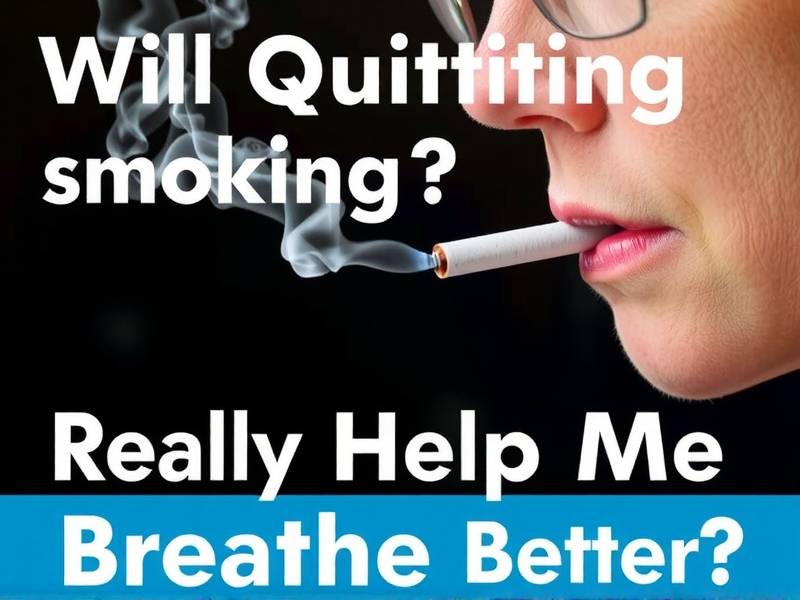
When you smoke, harmful chemicals enter your lungs, leading to inflammation and damage over time. This chronic inflammation can result in various respiratory issues, such as:
- Chronic Bronchitis: A persistent cough and difficulty breathing are common symptoms of chronic bronchitis, which is often caused by long-term smoking.
- Emphysema: This condition causes the air sacs in your lungs to become damaged and lose elasticity, making it difficult to breathe.
- Asthma: Smoking can exacerbate asthma symptoms and increase the risk of developing asthma in non-smokers.
2. The Benefits of Quitting Smoking
Research has shown that quitting smoking can lead to significant improvements in respiratory health. Here's how:
- Reduced Inflammation: Within weeks of quitting, your lungs begin to heal from the damage caused by smoking. The inflammation decreases, leading to improved breathing.
- Increased Oxygen Supply: Your lung capacity improves as you quit smoking, allowing for better oxygen exchange in your bloodstream.
- Decreased Risk of Respiratory Diseases: Over time, quitting smoking significantly reduces your risk of developing chronic bronchitis, emphysema, and asthma.
3. Real-Life Testimonials
Numerous individuals have experienced positive changes in their breathing after quitting smoking. Here are a few testimonials:
"I smoked for 20 years before deciding to quit. Within a few months, I noticed a significant improvement in my breathing. I could walk longer distances without feeling winded and had fewer coughing fits."
"I was diagnosed with asthma when I was young but never realized how much smoking was contributing to my symptoms until I quit. Now that I've been smoke-free for over a year, my asthma has improved significantly."
4. Tips for Quitting Smoking
Quitting smoking is challenging, but it's worth the effort for your health. Here are some tips to help you succeed:
- Set a quit date and prepare mentally for the challenges ahead.
- Identify triggers that make you want to smoke and develop strategies to cope with them.
- Seek support from friends, family, or support groups.
- Consider nicotine replacement therapy or prescription medications if needed.
Conclusion: Quitting smoking can indeed improve your breathing and overall respiratory health. By reducing inflammation, increasing oxygen supply, and decreasing the risk of respiratory diseases like chronic bronchitis and emphysema, quitting smoking is a crucial step towards better lung function and improved quality of life. Take control of your health today by making the decision to quit smoking!