
Can Smoking Affect Your Age Even Years After You Quit?
Understanding the Long-Term Effects of Smoking on Aging
Have you ever wondered if the years you spent smoking could still be impacting your health and appearance long after you've quit? The answer, unfortunately, is yes. Smoking not only damages your lungs and increases the risk of cancer but also has a profound impact on your skin and overall aging process. In this article, we'll delve into how smoking can affect your age, even years after you've kicked the habit.

The Smoking-Aging Connection
1. Premature Aging of the Skin
One of the most visible signs of smoking is premature aging of the skin. Cigarette smoke contains harmful chemicals that can damage collagen and elastin, two proteins that give skin its elasticity and strength. Over time, this damage can lead to wrinkles, fine lines, and a loss of skin tone.
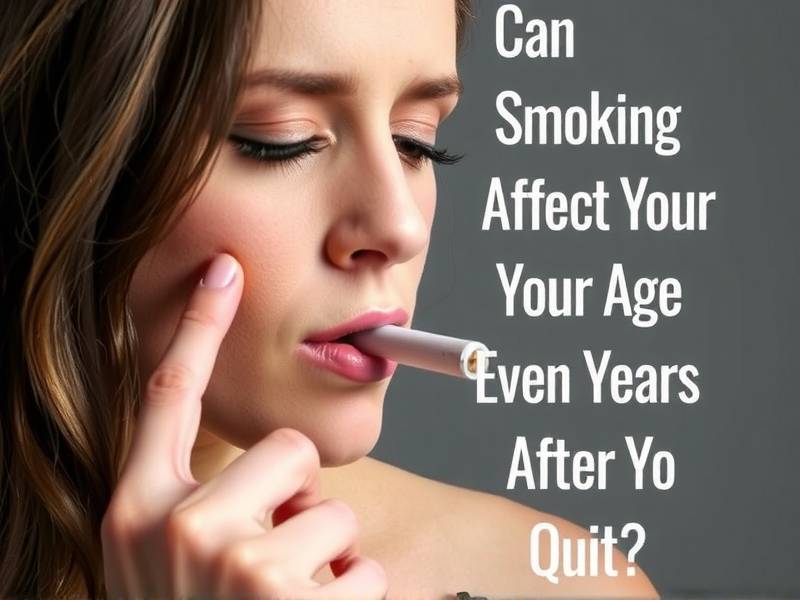
According to a study published in the Journal of Investigative Dermatology, smokers are likely to have deeper wrinkles and a more aged appearance than non-smokers. Even if you've quit for years, these effects can persist.
2. Increased Risk of Age-Related Diseases
Smoking also accelerates aging at a cellular level. It's linked to increased inflammation throughout the body, which can lead to a higher risk of age-related diseases such as heart disease, stroke, diabetes, and certain types of cancer.
The American Heart Association notes that while quitting smoking can reduce these risks over time, some damage may remain even years later.
3. Impact on Immune System
Your immune system plays a crucial role in protecting against infections and diseases as you age. Smoking weakens this system by reducing the number and effectiveness of immune cells.
Research from the National Institute on Aging suggests that even long-term ex-smokers may have an increased risk of infections due to weakened immune function caused by their past smoking habits.
How to Slow Down Aging After Quitting
The good news is that there are steps you can take to mitigate some of the aging effects caused by smoking:
- Protect Your Skin: Use sunscreen daily to protect your skin from UV rays that can exacerbate smoking-induced damage.
- Eat a Healthy Diet: Foods rich in antioxidants like fruits and vegetables can help combat oxidative stress caused by smoking.
- Stay Active: Regular exercise improves circulation and helps maintain healthy skin.
- Manage Stress: Chronic stress can accelerate aging; find healthy ways to manage stress such as meditation or yoga.
- Regular Check-ups: Keep up with regular health screenings to monitor any potential long-term effects.
Conclusion
While quitting smoking is one of the best things you can do for your health at any age, it's important to understand that its effects on aging are complex. By taking proactive steps after quitting, you can help slow down some of the aging processes that may have been initiated during your time as a smoker.
Remember, it's never too late to start taking care of yourself—both inside and out!