
When Does the Risk of Cancer Decrease After Quitting Smoking?
Understanding the Timeline of Cancer Risk Reduction Post-Quitting Smoking
Introduction: The decision to quit smoking is a life-changing one, with numerous health benefits ranging from improved cardiovascular health to a reduction in respiratory issues. One of the most compelling reasons for quitting is the decrease in the risk of developing cancer. But when does this reduction actually occur? Let's delve into the timeline and factors influencing cancer risk reduction after quitting smoking.
Section 1: Immediate Benefits The journey begins almost immediately after you put out that last cigarette. Within hours, your body starts to repair itself. For instance, your blood pressure and heart rate begin to normalize, and carbon monoxide levels drop. However, these changes are not directly related to cancer risk reduction.
Section 2: Short-Term Reductions Over the first few weeks and months post-quit, there are several notable reductions in cancer risk:
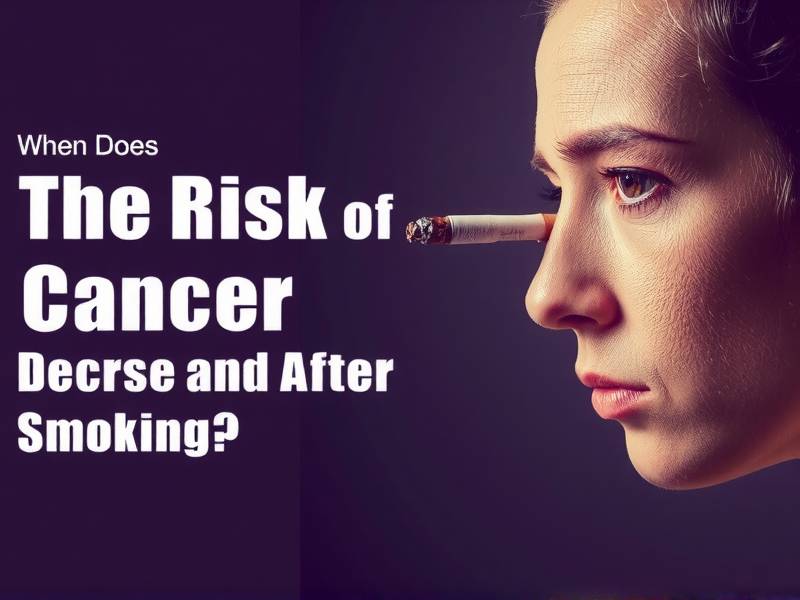
- Lung Cancer: The risk of developing lung cancer starts to decrease immediately after quitting. Within five years, it has dropped by about half compared to a smoker's risk.
- Other Cancers: Risks for other types of cancers such as mouth, throat, esophageal, bladder, kidney, and pancreatic cancers also start decreasing during this period.
Section 3: Long-Term Reductions After quitting smoking for a longer duration:
- Cancer Risk Continues to Decline: Over time, your risk continues to approach that of someone who has never smoked.
- Cervical Cancer: The risk of cervical cancer decreases significantly within five years.
- Stomach Cancer: The risk for stomach cancer decreases over time but may take longer than ten years.
Section 4: Factors Influencing Reduction in Cancer Risk Several factors can influence how quickly you see a reduction in your cancer risk:
- Duration of Smoking: The longer you have smoked before quitting, the more time it may take for your risks to decline.
- Amount Smoked: Heavier smokers might see slower declines in their risks.
- Genetics: Your genetic makeup can also play a role in how quickly you reduce your risks.
Conclusion: Quitting smoking is an important step towards reducing your cancer risk. While it may seem like a slow process at times, understanding that your risks begin to decrease right away can provide motivation and hope. If you're considering quitting or have recently quit smoking, remember that each day without tobacco is a step towards better health and a reduced chance of developing cancer.