
Which Is Harder to Quit: Smoking or Chewing?
Unveiling the Battle: Smoking vs. Chewing - Which is Harder to Quit?
Introduction: When it comes to quitting harmful habits, the decision is often daunting. Among the myriad of bad habits, smoking and chewing tobacco are two of the most common. But which one is harder to quit? This article delves into the challenges associated with both smoking and chewing, offering insights into the factors that contribute to their difficulty.
I. The Dilemma: Smoking vs. Chewing

A. Smoking: The Traditional Habit Smoking has been a widespread habit for decades, with millions of people worldwide succumbing to its allure. It involves inhaling tobacco smoke through a cigarette or pipe, delivering nicotine and other harmful chemicals directly to the lungs.
B. Chewing: The Less Visible Threat Chewing tobacco, also known as snuff or dip, is less visible than smoking but equally dangerous. It involves placing a small piece of tobacco between the cheek and gum, allowing nicotine and other chemicals to be absorbed through the oral tissues.
II. Factors Influencing Quitting Difficulty
A. Physical Dependency Both smoking and chewing involve physical dependency on nicotine, a highly addictive substance. However, the rate at which nicotine is absorbed differs between the two habits.
- Smoking: Nicotine absorption in smoking occurs rapidly through inhalation, leading to an immediate sense of satisfaction.
- Chewing: Nicotine absorption in chewing is slower as it passes through oral tissues before reaching the bloodstream.
B. Psychological Factors The psychological aspects of addiction also play a significant role in quitting difficulty.
- Smoking: Smokers often use cigarettes as a coping mechanism for stress or boredom.
- Chewing: Chewing tobacco can be more discreet and less socially stigmatized compared to smoking, making it easier for individuals to continue using even when they want to quit.
C. Social Influence Peer pressure and social norms can make quitting either habit challenging.
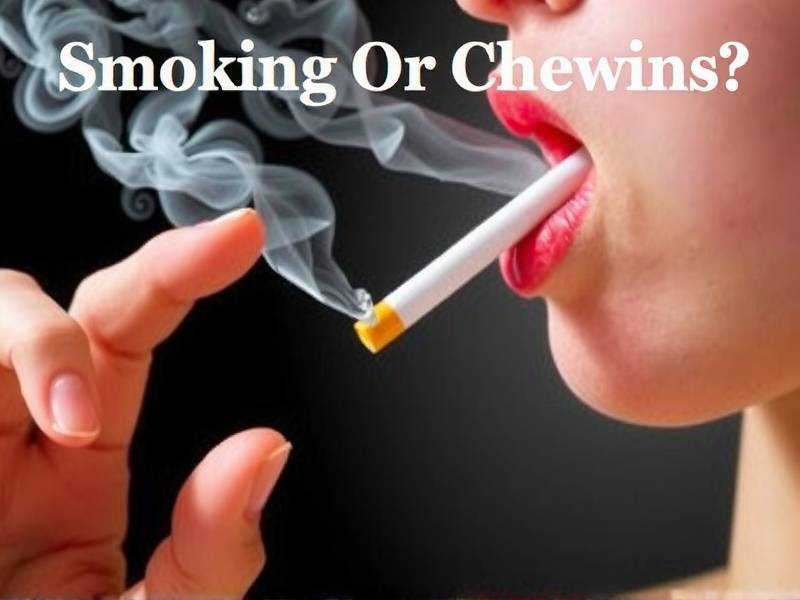
- Smoking: Social gatherings often revolve around smoking, making it difficult for smokers to resist temptation.
- Chewing: While less visible than smoking, chewing tobacco can still be socially influenced by those who engage in this habit.
III. Strategies for Quitting
A. Seek Professional Help Consulting healthcare professionals can provide personalized guidance and support for quitting both smoking and chewing tobacco.
B. Utilize Nicotine Replacement Therapy (NRT) NRT products like patches, gum, lozenges, or inhalers can help alleviate withdrawal symptoms associated with nicotine addiction.
C. Alternative Coping Mechanisms Identifying alternative ways to cope with stress or boredom can aid in overcoming addiction.
Conclusion: Deciding which habit is harder to quit – smoking or chewing – ultimately depends on individual circumstances and factors like physical dependency, psychological aspects, and social influences. By understanding these factors and seeking appropriate support and strategies, individuals can increase their chances of successfully breaking free from these harmful habits once and for all.