
How Do Your Lungs Repair Themselves After Quitting Smoking?
The Miraculous Recovery of Your Lungs After Quitting Smoking
Introduction: Smoking is a detrimental habit that not only affects your health but also takes a significant toll on your lungs. The good news is that your lungs have an incredible ability to repair and regenerate themselves after you quit smoking. In this article, we will explore how your lungs heal and the steps you can take to accelerate this process.
I. The Damage Caused by Smoking
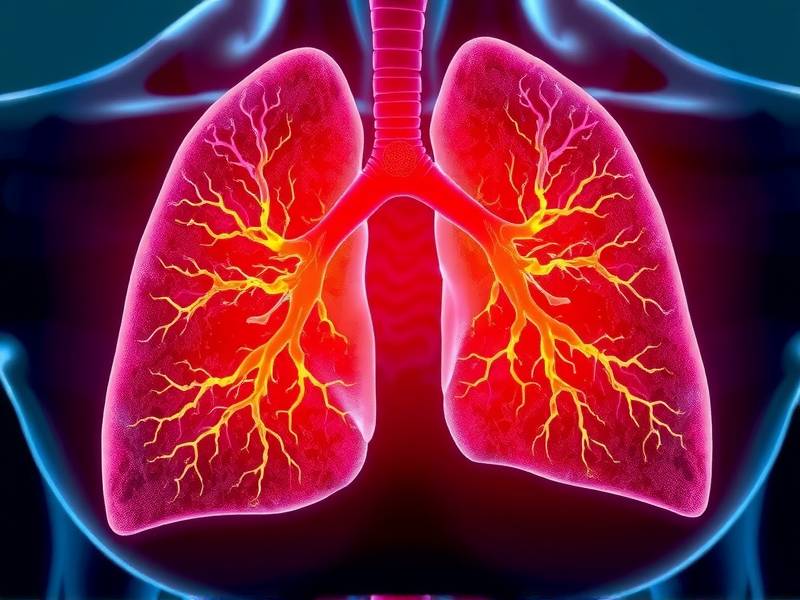
Smoking introduces harmful chemicals into your body, leading to lung damage and numerous health issues. These chemicals can cause inflammation, impair the function of lung tissues, and lead to chronic respiratory diseases such as COPD (Chronic Obstructive Pulmonary Disease) and lung cancer.
II. The Healing Process
When you quit smoking, your lungs begin to repair themselves in several ways:
A. Reduced Inflammation One of the first changes you'll notice after quitting is a decrease in inflammation within your lungs. This reduction in inflammation allows for easier breathing and a decrease in coughing.
B. Improved Oxygen Supply As the inflammation decreases, the oxygen supply to your lungs improves. This helps restore lung function and enhances overall health.
C. Removal of Tar Build-up Tar is a sticky substance produced by burning tobacco that accumulates in your lungs over time. Quitting smoking allows for the gradual removal of tar build-up, which improves lung capacity and reduces the risk of respiratory infections.
III. Steps to Accelerate Lung Repair
To support your lungs' healing process, consider the following steps:
A. Maintain a Healthy Diet Eating a balanced diet rich in fruits, vegetables, lean proteins, and whole grains can provide essential nutrients for lung repair.
B. Stay Hydrated Drinking plenty of water helps flush out toxins from your body and keeps your respiratory system healthy.
C. Engage in Physical Activity Regular exercise increases blood flow to your lungs, helping them heal faster.
D. Avoid Exposure to Secondhand Smoke Secondhand smoke can further damage your lungs while they are healing.
IV. Monitoring Your Progress
Keep track of any improvements in your breathing or overall health after quitting smoking. It's important to remember that while healing can be slow, it's well worth the effort for improved quality of life.
Conclusion:
Your lungs have an incredible ability to repair themselves after quitting smoking. By following these steps and maintaining a healthy lifestyle, you can accelerate this healing process and reduce the risk of developing serious respiratory diseases in the future. Take control of your health today by quitting smoking and giving yourself a chance at better lung function!