
What Do You Notice When You Quit Smoking?
"What Do You Notice When You Quit Smoking? Insights from Real Lives"
Introduction: Quitting smoking is a significant life change that brings about a multitude of physical, mental, and emotional benefits. While the journey to quitting may be challenging, the rewards are worth the effort. In this article, we explore the various observations and experiences shared by individuals who have successfully quit smoking. By understanding these insights, you can better prepare yourself for your own journey to a smoke-free life.
I. Physical Changes:

-
Improved Breathing: One of the first noticeable changes when you quit smoking is improved breathing. Smokers often experience shortness of breath or coughing due to the irritation caused by tobacco smoke. As your lungs heal, you may find it easier to breathe and take in deeper breaths.
-
Enhanced Taste and Smell: Another immediate benefit of quitting smoking is an improvement in taste and smell. The chemicals in cigarettes can dull your senses over time, but once you stop smoking, you'll likely notice a heightened ability to taste and smell various foods and scents.
-
Healthier Skin: Smoking accelerates aging and can lead to skin issues such as wrinkles, discoloration, and poor skin tone. Within weeks of quitting, many individuals report improvements in their skin's texture and color.
II. Mental Changes:
-
Increased Energy Levels: Quitting smoking often results in increased energy levels as your body no longer has to work hard to rid itself of harmful toxins.
-
Improved Concentration: Many smokers find that their concentration improves after quitting as they are no longer distracted by cravings or withdrawal symptoms.
-
Enhanced Mood: Quitting smoking can lead to an improved mood due to the release of endorphins in your brain as it adjusts to being smoke-free.
III. Emotional Changes:
-
Stronger Relationships: Quitting smoking can help improve relationships with family and friends who may have been affected by secondhand smoke or expressed concern about your health.
-
Increased Confidence: As you overcome cravings and withdrawal symptoms, you may feel more confident in your ability to make positive changes in other areas of your life.
-
Personal Growth: The act of quitting smoking can be seen as a form of personal growth and self-discipline, which can translate into other positive habits and achievements.
Conclusion:
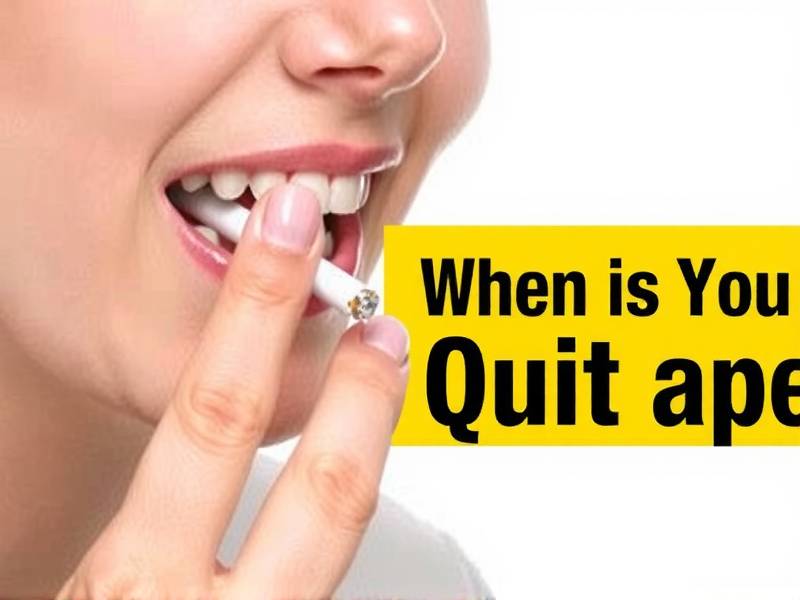
The journey to quitting smoking is unique for each individual, but there are common observations that many people share along the way. By understanding these physical, mental, and emotional changes that occur when you quit smoking, you'll be better prepared for your own transformation towards a healthier life.