
Which is harder to quit: Vaping or Smoking?
Navigating the烟Wave: Which is Harder to Quit – Vaping or Smoking?
Introduction: In the ever-evolving landscape of tobacco consumption, two popular methods have emerged as the primary contenders: smoking and vaping. Both have their own unique set of challenges, and for many, quitting either can be a daunting task. But which one is harder to quit? Let's delve into the intricacies of both habits and find out.
The Mechanics of Smoking: Smoking involves inhaling the combustion of tobacco leaves, which produces a myriad of harmful chemicals. This method has been around for centuries and has deeply rooted itself in our society. The physical act of smoking requires coordination between lighting a cigarette and taking a drag, making it somewhat ingrained in the user's routine.

The Rise of Vaping: Vaping, on the other hand, is a relatively new phenomenon that gained popularity in recent years. It involves inhaling vapor produced by heating a liquid containing nicotine or other chemicals. While it offers some perceived health benefits compared to traditional smoking, it still poses risks and challenges for those looking to quit.
The Psychological Aspect: When it comes to quitting, both smoking and vaping share a common enemy – nicotine addiction. Nicotine is highly addictive, and breaking free from its grasp can be challenging. However, there are some differences in how nicotine affects users.
Smokers often experience withdrawal symptoms such as cravings, irritability, and anxiety when they try to quit. These symptoms can be severe enough to make quitting smoking feel like an insurmountable task.
Vapers may also experience withdrawal symptoms when they try to quit; however, they may find it easier to manage due to the variety of flavors available in e-liquids. This variety can sometimes lead vapers to switch between different flavors or nicotine strengths, making it harder for them to fully detach from their habit.
Social Factors: Social factors play a significant role in both smoking and vaping habits. Smoking has long been associated with social gatherings and peer pressure among certain demographics. Quitting smoking often involves overcoming these social pressures.
Similarly, vaping has gained popularity among younger generations who view it as a trendy alternative to smoking. This social aspect can make quitting more difficult as individuals may feel left out or judged if they stop using e-cigarettes.
Physical Challenges: The physical challenges associated with quitting are quite similar for both smoking and vaping. Users may experience headaches, insomnia, increased appetite, and weight gain during withdrawal.
However, some argue that the physical aspect of smoking might make it harder to quit due to the act itself being more ingrained in daily life than vaping. For instance, smokers often reach for their cigarettes during stressful situations or while engaged in certain activities like driving or drinking coffee.
Conclusion: In conclusion, both smoking and vaping present unique challenges when trying to quit. While nicotine addiction plays a significant role in both cases, other factors such as social pressures and physical withdrawal symptoms contribute to the difficulty of breaking free from these habits.
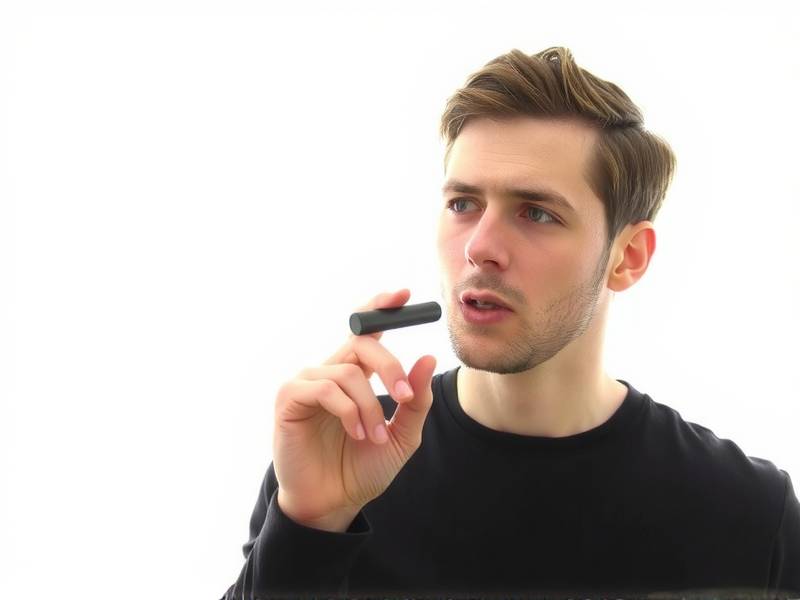
Ultimately, whether you're trying to quit smoking or switching from traditional cigarettes to e-cigarettes (vaping), seeking support from friends, family members, or professional help can greatly increase your chances of success.
Remember that quitting any form of tobacco consumption is an individual journey with its own set of hurdles. By acknowledging these challenges and seeking support when needed, you'll be one step closer to achieving your goal of becoming tobacco-free!